About This Trek
Langtang Valley Trek
Our 10-day Langtang Valley Trek by Desire Adventure is a moderate high-altitude journey that brings you into the heart of authentic Tamang and Tibetan cultures without the flight delays of the Everest region. This $860 USD fully-inclusive package features overland transport, comprehensive permits, expert guiding, and upgraded lodging with 5 nights of en-suite bathrooms, reaching a maximum elevation of 3,870 meters at Kyanjin Gompa (or up to 5,033 meters via optional summit hikes).
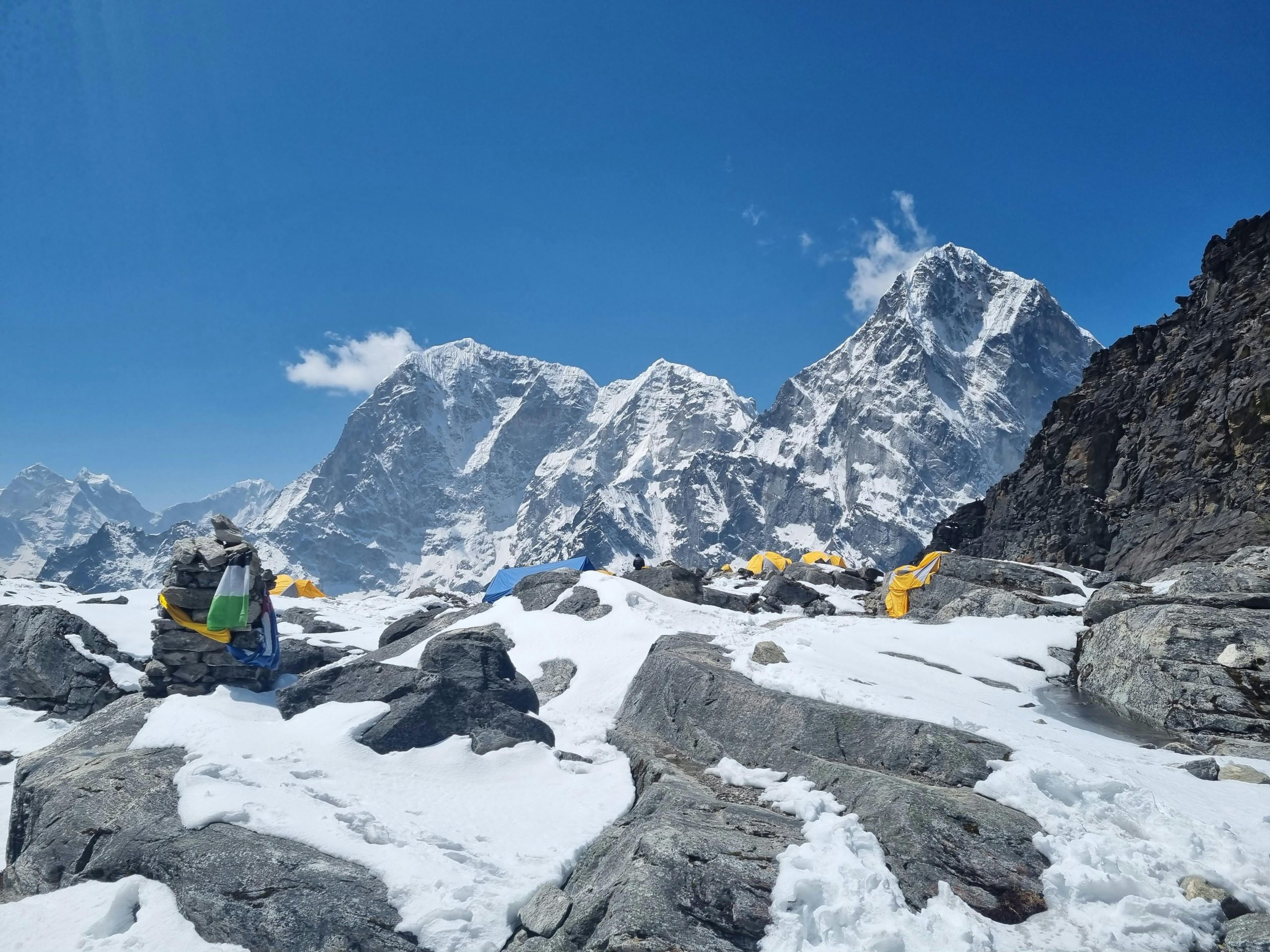
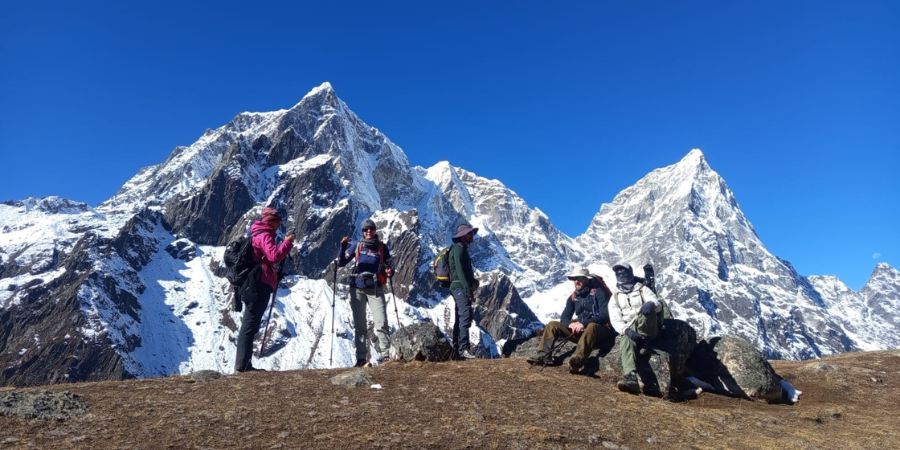
- Stand at the top of Kyanjin Ri (4,773m) or Tserko Ri (5,033m) to witness an incredible wall of ice and rock, including Langtang Lirung, Yansa Tsenji, and Kimshung.
- Walk through ancestral Tamang and Tibetan settlements, learning about their resilient local histories, distinct architecture, and high-altitude lifestyles.
- Explore the spiritual core of the upper valley, visiting the historic monastery set beneath the towering ridges of the Langtang glacier.
- Visit the high-altitude cheese factory near Kyanjin Gompa to taste fresh cheese made using traditional methods directly from local yak herds.
- Relax at the highest standalone bakery in the region, warming up by a central woodburner while enjoying fresh apple pie and hot coffee past 3,800 meters.
- Trek through dense bamboo, maple, and oak forests inside Langtang National Park, crossing high suspension bridges hung over the roaring Bhote Koshi and Langtang rivers.
Why Choose Langtang Valley over Everest or Annapurna?
If you sit down to plan a trek in Nepal, your screen will immediately be flooded with ads for Everest Base Camp or the Annapurna Circuit. They are famous for a reason, absolutely. But if you talk to guides who actually spend their lives on these trails, you’ll hear a very different story.
The massive crowds, commercialization, and absolute chaos of mountain flight schedules have changed those routes.
If you want a trek that gives you the raw, wild, and deeply peaceful feeling that the Himalayas used to be known for, the Langtang Valley is where you need to go. Here is why this 10-day trip is, honestly, a much smarter choice for your mountain experience:
You bypass the nightmare of Lukla flight delays
Let’s talk about the elephant in the room when it comes to Everest treks: the flight to Lukla. It is completely at the mercy of the weather. If a cloud rolls in, you are stuck at the airport for days, watching your vacation time slip away while stress levels skyrocket.
Langtang completely deletes that anxiety from your life. The trailhead at Syabrubesi is reached by a rugged overland drive. No tiny planes, no runway closures, and no worrying about missing your international flight home due to bad mountain weather. We get in a vehicle, we drive, and your trek starts exactly when it’s supposed to.
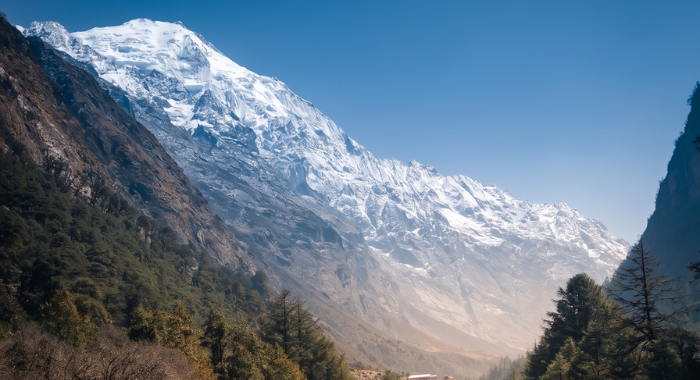
You get the mountains to yourself
During the peak seasons, the trails on the classic routes can feel like a busy sidewalk in a major city. You spend your day waiting in lines to cross suspension bridges and sleeping in noisy, overbooked tea houses.
In Langtang, the trails are beautifully quiet. You can actually hear the river roaring through the gorge and the wind moving through the pine trees. If you want to stop for an hour to take photos of a glacier or sit quietly in an alpine meadow, you can do it without a crowd of people pushing past you.
The cultural experience is actually real
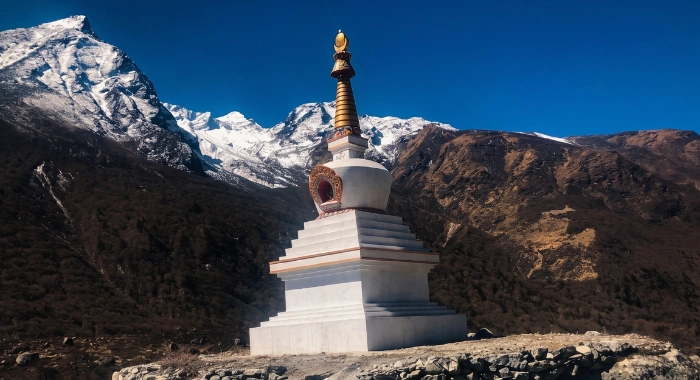
Because Langtang hasn’t been built up into a commercial tourist strip, the villages you walk through are still entirely genuine. You won’t see corporate coffee shops or fake bars here.
You are walking through ancestral Tamang and Tibetan communities where people live, farm, and practice their Buddhist traditions just as their families have done for centuries. The hospitality here feels less like a business transaction and more like a genuine welcome into a mountain home.
It’s a much kinder altitude profile
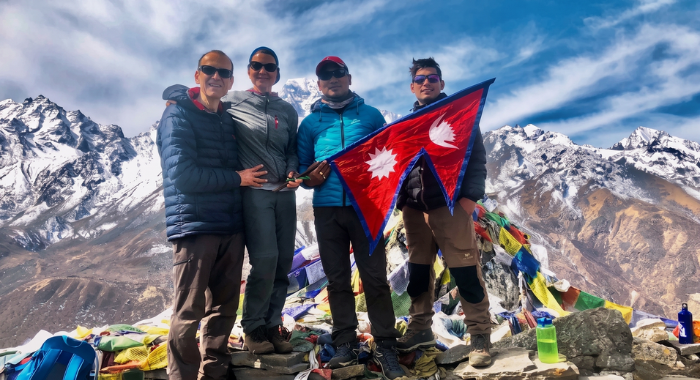
One of the hidden stresses of trekking to places like Everest Base Camp is how hard it is on your body. You spend multiple nights sleeping at extreme altitudes well above 4,500 meters, where headaches and altitude sickness are a constant battle.
In Langtang, our main base camp is at Kyanjin Gompa, which sits at a much safer, more comfortable altitude of 3,870 meters. You get all the massive, towering walls of ice and 360-degree mountain views, but without pushing your body to the absolute limit. It makes the whole journey much safer, highly accessible, and honestly, a lot more fun.
How we do things differently at Desire Adventure
We keep our groups small because we believe you shouldn’t feel like cattle on a trail. By maintaining a strict limit of five clients per guide, our team can actually look after you, watch your pacing, and make sure you’re adjusting comfortably to the thin air.
We look after our porters properly with fair pay and insurance, we don’t cancel departures on you last minute, and we make sure you have fresh, healthy food on your plate every single evening to keep your strength up.
What's covered
Includes & Excludes
✓ Included
- Complete pickup and drop-off service between Tribhuvan International Airport and your hotel via a private vehicle.
- 2 nights of twin-sharing accommodation at a Tourist Standard Hotel, including breakfast.
- Round-trip transit between Kathmandu and the Syabrubesi trailhead via a local public bus.
- Daily breakfast, lunch, and dinner cooked fresh at the tea houses for the duration of the trek.
- A serving of seasonal fruits after every single dinner to help your body recover.
- All nights in local lodges and tea houses along the route on a twin-sharing basis.
- 5 nights of premium rooms with private, en-suite bathrooms during the trek.
- 5 complimentary hot showers included at key points during your journey.
- All required regional documentation, including the Langtang National Park entry permit and local government taxes.
- A government-licensed, well-trained, English-speaking local guide, including his daily salary, food, lodging, and transport.
- 1 dedicated porter for every 2 trekking members to carry your heavy gear (adhering to a strict 1:5 guide-to-client ratio for the group).
- Full medical and accidental insurance coverage for both your guide and porter team.
- Access to high-quality down jackets and sleeping bags on a rental basis if you do not bring your own.
- A complimentary, heavy-duty Desire Adventure duffle bag and an official physical trekking route map.
- Free emergency logistical support and communication management from our Kathmandu head office if needed.
- An official adventure certificate from Desire Adventure verifying your successful trek.
- A complimentary traditional farewell dinner in Kathmandu on your final evening.
✕ Excluded
- Nepal Entry Visa: Fees payable in cash directly upon your arrival at the airport in Kathmandu.
- City Meals: Lunches and dinners in Kathmandu (except for the included farewell dinner).
- Personal Beverages: All personal drinks on the trail, including bottled mineral water, specialized teas, barista coffees, soft drinks, and alcoholic beverages.
- Lodge Services: Daily fees for using satellite Wi-Fi tokens, device power charging, and personal laundry services at the tea houses.
- Extra Hot Showers: Any hot showers taken beyond the 5 included in the package.
- Travel Insurance: A compulsory personal policy that must explicitly cover high-altitude trekking, trip cancellation, and emergency medical helicopter evacuation.
- Early Return Costs: Any extra hotel accommodation and meal expenses in Kathmandu if you choose to return from the mountains early due to fitness, illness, or personal reasons.
- Trip Extensions: Costs associated with adding extra days, alternative side routes, or extending your hotel stay past the 10-day itinerary.
- Staff Gratuities: Tips for your trekking guide, porters, and drivers as a direct appreciation for their hard work on the trail.
Day by Day
Full Itinerary
Welcome to Nepal! The moment you step out of the arrivals terminal at Tribhuvan International Airport, the energy of Kathmandu hits you all at once. Our team will be right there waiting for you with a private vehicle to take you straight to your hotel so you can drop your bags and shake off the jet lag.
Once you’ve settled in and freshened up, we’ll head over to Hotel or to the Desire Adventure head office. This is where we sit down over a warm cup of tea, introduce you to your trekking coordinator, go over the final permits, and answer any last-minute questions you have about the trail ahead.
We start early. After a hearty breakfast at your hotel, we board our bus and head out of the Kathmandu valley, carving northwest along the winding Pasang Lhamu Highway. This drive is a long, raw introduction to rural Nepal. The road is a mix of smooth asphalt and rugged, bumpy dirt tracks-especially the final stretch past Trishuli Bazaar and Dhunche.
As the vehicle climbs and twists across the green hills, you’ll look out over massive terraced farmlands, deep river valleys, and small roadside settlements like Kakani, Ranipauwa, and Devighat. If the skies are clear, look out the window the massive snow-capped peaks of Ganesh Himal and Manaslu will show themselves on the horizon. We will clear our official Langtang National Park entry permits at the military checkpoint in Dhunche before dropping down the final steep switchbacks into the riverside town of Syabrubesi, the official gateway to our trek.
Insider Guide Tip: The Pasang Lhamu Highway has over a thousand twists and turns. If you are prone to motion sickness, we highly recommend taking your medication before we leave Kathmandu. Also, pull out your buff or dust mask for the last unpaved stretch past Dhunche-the mountain air gets quite dusty behind traffic.
This is where your boots finally hit the dirt. After breakfast, we pack our duffels for the porters and set off from Syabrubesi. We follow the trail directly alongside the roaring Bhote Koshi River, crossing our first major suspension bridge. From here, the path swings east into the deep canyon of the Langtang Khola.
You are stepping directly into a dense, old-growth wilderness filled with oak, maple, alder, and thick stands of bamboo. The canopy keeps the trail pleasantly cool, but the walking is continuous and steady, with several steep stone staircases that will get your lungs working.
We pass a few isolated riverside lodges and small teahouses before pulling into Changdam, a peaceful clearing wrapped tightly by the forest that everyone on the trail simply calls Lama Hotel.
Insider Guide Tip: Keep your eyes on the tree canopy today. This specific forest zone inside the national park is home to wild families of Langur monkeys, and if you are incredibly quiet and lucky, this is where the rare, elusive Red Panda loves to hide in the bamboo thickets.
You’ll wake up to the sound of the Langtang Khola rushing past the lodge. After breakfast, we push out of the forest canopy, and the trail starts climbing instantly. The first few hours are a steady, lung-burning ascent through a narrowing gorge filled with oak and maple trees.
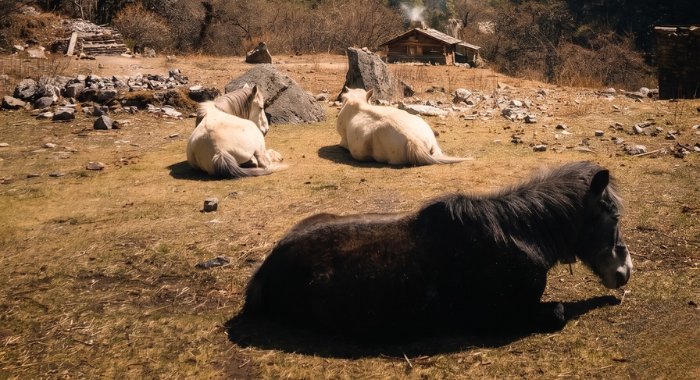
As you hit Ghodatabela (3,030m), the dense forest suddenly opens up into a massive, wide-open glacial valley. The trees thin out, replaced by alpine meadows and scattered yak pastures, and you’ll catch your first clear look at the blinding white face of Langtang Lirung (7,227m).
Past the army checkpoint at Ghodatabela, the trail climbs more gradually through the small Tamang settlements of Thyangsyap and Chamki. As we approach our stop, you will walk across a massive, somber boulder field. This is the exact site of the old Langtang Village, which was completely buried by a catastrophic 40-million-ton avalanche of ice and rock during the 2015 earthquake.
The only structure that survived is the famous "single standing house," protected by a massive cliff overhang. The local community has shown incredible resilience, building an entirely new, modern village with earthquake-resistant stone lodges about 100 meters further up the trail. Staying here is an emotional, eye-opening experience that connects you deeply with the local Tibetan-Buddhist culture and lifestyle.
Insider Guide Tip: When walking past the long walls of mani stones (Buddhist prayer stones) and prayer wheels approaching the village, always pass them on the left-hand side (clockwise). This is a vital sign of respect in Tibetan-Buddhist culture.
Because we are moving higher into the thin air, today's hike is deliberately short and paced slowly to aid your body's natural acclimatization. We leave the new village behind, walking through wide pastures framed by low stone walls built to keep yaks from wandering. The landscape becomes beautifully raw and barren as the vegetation shrinks down to low alpine shrubs and juniper bushes.
The trail climbs steadily up the valley ridge, crossing several small glacial streams via wooden footbridges. To your left, the massive icefalls of Yansa Tsenji and Kimshung come into view. After a final, steady push up a grassy ridge, the valley widens into an amphitheater of jagged, snow-capped peaks. Sitting right in the center of this bowl is Kyanjin Gompa, the highest permanent settlement of the trek.
After dropping your bags at the lodge, we’ll take a short walk to see the ancient Kyanjin Monastery and drop by the famous local government-supported cheese factory, where you can sample fresh, artisanal cheese made entirely from pure yak milk.
Insider Guide Tip: Do not let the short 3-hour hike fool you into rushing. Past 3,500 meters, altitude sickness can sneak up on you quickly. Take short, deliberate steps, keep your breathing deep and rhythmic, and make sure you finish at least 2 liters of water before we reach Kyanjin Gompa.
This is the absolute crown jewel day of the itinerary. Instead of packing your bags, you get to stay put and explore the upper rim of the valley. There are a few different ways we can play this day, depending entirely on how your body is adjusting to the altitude and what the weather looks like:
Option A: The Kyanjin Ri Climb (4,773m): A steep, 3 to 4-hour ridge hike directly behind the village. It’s a tough climb, but the reward from the top is an unbelievable, close-up panoramic view of the Langtang Lirung glacier and the frozen icefalls collapsing down the mountain.
Option B: The Tserko Ri Summit (5,033m): For those who want a true physical challenge. This is a demanding, 5 to 7-hour round-trip trek over loose scree and moraine. Reaching the peak puts you at the highest point of the entire trek, offering an uncompromised, 360-degree theater view of the entire central Himalayan range.
Option C: The Valley Rest & Pastry Tour: If your knees or lungs need a break, you can take a slow, relaxing wander along the flat glacial valley floor. We can hang out at the iconic Dorje Bakery-the highest standalone bakery in the region. You can sit by their cozy woodburner, drink proper barista coffee, and treat yourself to a slice of warm apple pie.
Insider Guide Tip: If your guide clears you to attempt Tserko Ri, we will start hiking before dawn while the ground is frozen and stable. Make sure your headlamp has fresh batteries and keep your camera or phone tucked into your inner fleece pocket-the sub-zero morning temperatures at 5,000 meters will drain your battery life in minutes.
After a final breakfast watching the morning light hit the peaks of Kyanjin Gompa, we turn around and begin our journey back down the valley. Because we are hiking downhill, gravity does most of the work, and your lungs will welcome the thick, oxygen-rich air as we drop in elevation.
We retrace our steps through the wide glacial pastures, passing through the quiet settlements of Sindum and Mundu. We will drop back down through the rebuilt Langtang Village, giving you one last chance to wave goodbye to the Tamang families we met on the way up.
From there, the trail descends steeply across the massive avalanche moraine, dropping below the tree line at Ghodatabela. The open alpine meadows quickly give way to the familiar, cool canopy of the oak and bamboo forests. By late afternoon, we pull back into the peaceful forest clearing of Lama Hotel for a hot meal and a long, restful night's sleep.
Insider Guide Tip: Downhill hiking is notoriously brutal on your joints. Your knees and toes take the brunt of the impact over the stone steps today. Shorten your stride, lean slightly forward rather than backward, and use your trekking poles to absorb the shock.
This is your final day on the trail. We leave Lama Hotel behind and continue our steady descent through the deep river canyon, following the cascading waters of the Langtang Khola. The air gets noticeably warmer and more humid as we drop lower into the valley basin.
We retrace our initial steps through Rimche and Bamboo, walking past old, moss-covered stone walls and crossing multiple suspension bridges hung high over the roaring river. Along the way, you'll see the old remains of lodges damaged by the earthquake alongside newly built inns, showing the ongoing rebuilding process of the local hospitality community.
After one final, beautiful stretch through terraced fields and small bamboo forests, we cross the final bridge over the Bhote Koshi River and walk back into Syabrubesi. Tonight, we celebrate the completion of the trek with a proper dinner, a cold drink, and a big thank-you to our incredible porter team.
Insider Guide Tip: Take some time tonight to gather with your porters. This is the traditional evening to hand out their hard-earned tips, share a celebratory drink, and take group photos. They worked incredibly hard to carry your heavy gear up and down those mountains, and a personal thank-you goes a long way.
We say goodbye to the mountains this morning. After breakfast at the lodge, we board our bus and begin the long overland drive back to the capital. The route takes us back up the steep switchbacks out of the river basin, passing through the busy mountain hub of Dhunche before winding along the Pasang Lhamu Highway.
You'll get one last look at the rural hillside life of Nepal—the terrace farms, the roadside tea stalls, and the green valleys—as we make our way back toward the city. Upon arriving in Kathmandu, we check you back into your hotel so you can wash off the trail dust with a long, hot shower. In the evening, the Desire Adventure team will pick you up and take you out for a traditional farewell dinner. This is our chance to raise a glass to your journey, listen to your honest feedback, and celebrate your successful Himalayan trek.
Your 10-day Himalayan journey officially comes to an end today. After breakfast at your hotel, our team representative will meet you in the lobby with a private vehicle to drive you directly to Tribhuvan International Airport for your flight home.
As you head to the departures terminal, you leave behind the mountains but carry home memories of wild glaciers, peaceful pine forests, and the unshakeable warmth of the Tamang people. Thank you for trusting Desire Adventure with your journey. Namaste, and safe travels!
Physical Preparation
Difficulty & Fitness
Easy-ModerateRequired Moderate to Basic level Fitness
What to Bring
Packing List
Everything you need for a comfortable and safe trek. Items marked Required are essential.
Clothing
-
Moisture-Wicking Base Layers (3 Pairs)Required
-
Mid-Layers (2 Fleeces)Required
-
Insulation Layer 1 Down JacketRequired
-
Outer Shell Layer 1 Jacket, PantsRequired
-
Trekking Pants 2 PairsRequired
Footwear
-
Main Hiking Boots Waterproof, high-ankle support bootsRequired
-
Camp Shoes A pair of lightweight running shoesRequired
-
Trekking Socks (4 Pairs)Required
-
Liner Socks (2 pairs)Required
-
Gloves lightweight touch-screen compatible liner glovesRequired
Headwear
-
Buff / Neck Gaiter (2 Pieces)Required
-
Sun Hat / Cap wide-brimmed hatRequired
-
Warm Beanie insulated wool or fleece hatRequired
-
Polarized SunglassesRequired
Gears
-
Four-Season Sleeping Bag Rated down to at least -15°CRequired
-
Trekking Poles One pair of sturdy, adjustable trekking polesRequired
-
Headlamp high-lumen headlampRequired
-
Water Vessels (2 Liters Total CapacityRequired
-
High-Capacity Power Banks (20,000mAh+)Required
-
Sunscreen & Lip BalmRequired
-
Personal Hygiene KitRequired
Additional Information
More Details
Mountain Nutrition & Lodge Living
Trekking through the Langtang Valley offers a unique opportunity to experience traditional Himalayan hospitality. While you won't be roughing it in tents, mountain lodges-locally known as tea houses-are rustic, family-run inns. As we ascend closer to the glaciers, amenities become simpler, requiring a realistic understanding of resource management in remote areas.
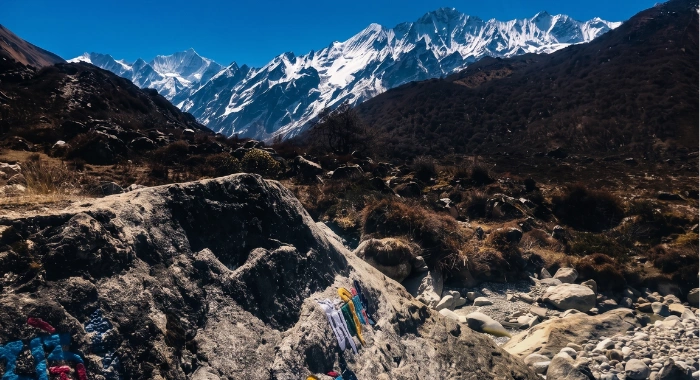
With Desire Adventure, we prioritize hygiene and structural comfort. Here is exactly what you can expect when it comes to your accommodation, meals, and daily trail logistics.
Accommodation: Cozy Lodges and Your En-Suite Upgrades
The traditional tea house layout consists of small, unheated twin-sharing bedrooms with wood or plywood partitions. Each room contains two single beds equipped with foam mattresses, pillows, and basic quilts.
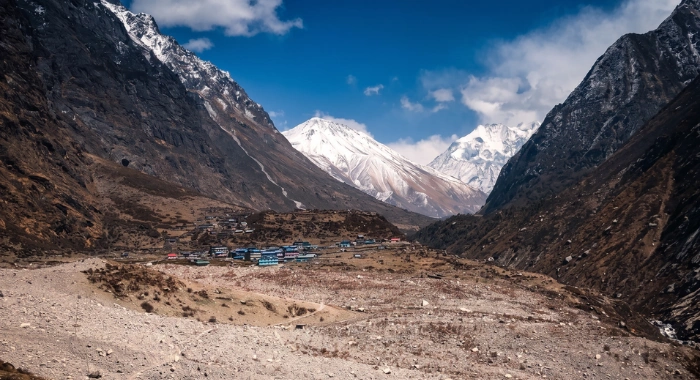
To ensure you get proper, restorative rest during your trek, we deliberately select premium lodges that feature upgraded amenities:
The En-Suite Bathroom Upgrade (5 Nights Included): Freezing communal toilets down a dark hallway are the standard on mountain routes. To elevate your comfort, our package includes 5 nights of rooms with attached, private en-suite bathrooms and hot showers at no extra cost. You will enjoy this privacy during your stays in Syabrubesi and Namche-style hubs along the trail.
High-Altitude Amenities (Kyanjin Gompa & Langtang): For the remaining nights in the upper valley, freezing overnight temperatures make indoor plumbing impractical. In these high-elevation zones, you will utilize clean, shared communal toilets. The bedrooms here are unheated, making a high-quality, four-season sleeping bag rated to at least -15°C(5°F) essential. (If you do not own one, we provide heavy-duty down jackets and sleeping bags on a rental basis).
The Dining Hall Hub: The heart of every tea house is the communal dining area. This is the only room heated in the evening, using a central iron stove fueled by dried yak dung or wood. It serves as our evening gathering point to dry gear, enjoy hot meals, and debrief on the trail ahead.
Mountain Food: Fueling Your Trek Safely
Trekking for 5 to 9 hours a day across rugged terrain burns thousands of calories. The food menus along the Langtang route are surprisingly diverse, combining traditional local staples with Western-style mountain comfort food.
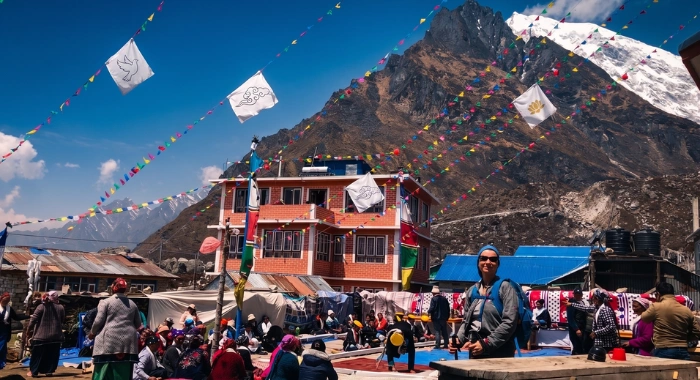
The Ultimate Trail Fuel (Dal Bhat): This traditional Nepali platter features steamed rice, nutrient-dense lentil soup, seasonal vegetable curry, greens, and crisp papad. It is prepared fresh at every lodge, packed with clean carbohydrates, and comes with complimentary refills on every plate.
Diverse Menu Selections: For breakfast, you can choose from eggs prepared any style, oatmeal porridge, pancakes, Tibetan bread, or muesli. Lunch and dinner options include vegetable fried noodles (chow mein), pasta dishes, localized potato recipes, and vegetable momos (dumplings).
The Desire Adventure Nutrition Standard: High-altitude diets can easily become entirely carbohydrate-reliant. To support your recovery and boost your immune system, we provide fresh seasonal fruits to our group every single evening after dinner throughout the trek.
The Vegetarian Trail Rule: We strongly advise maintaining a strictly vegetarian diet once you trek past Syabrubesi. Because there is no refrigeration along the trail, all meat products must be carried up the valley by porters or pack animals exposed to the elements, significantly increasing the risk of foodborne illness.
Connectivity, Power, and Hot Showers
Operating sustainable tourism infrastructure within Langtang National Park requires solar panels and satellite networks, meaning certain amenities incur extra costs.
Hot Showers (5 Included): Staying clean helps prevent trail fatigue, but hot water requires burning scarce gas or timber resources. We include 5 hot showers during the trek to cover your key trail transitions. Any additional showers outside of this allocation can be purchased directly from the lodge for a small cash fee.
Device Power Charging: Lodges charge a variable fee to connect your electronics to their solar grid or generators. Prices range from $2 USD for a mobile phone to $5+ USD to charge a high-capacity power bank in Kyanjin Gompa. Insider Tip: Bring two 20,000mAh+ power banks and sleep with them inside your sleeping bag; freezing night temperatures drain lithium batteries instantly.
Internet Access & Wi-Fi: Cellular networks (using a local Ncell or Nepal Telecom SIM card) offer decent coverage during the drive and your first days of trekking. In the upper valley, cellular signals disappear. You can purchase localized satellite Wi-Fi access (such as Everest Link or local lodge networks) directly at the tea houses for roughly $3 to $7 USD. Be prepared for slow connection speeds during evening peak hours or heavy mountain cloud cover.
High Altitude Safety & Evacuation Operations
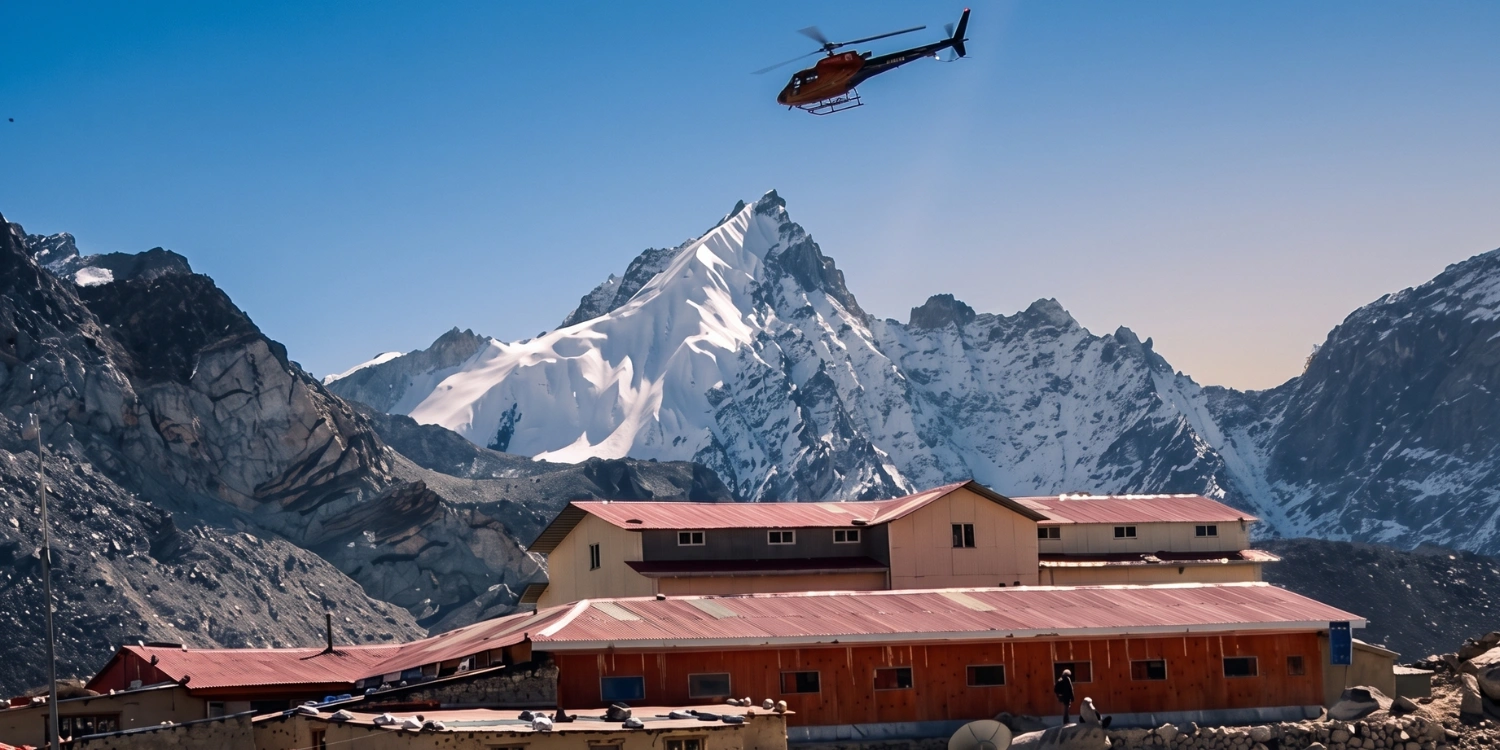
When you step onto a mountain trail, your safety isn't something that can be left to chance or guesswork. Even though the Langtang Valley has a much gentler altitude profile than the Everest region, walking up to 3,870 meters at Kyanjin Gompa, and potentially pushing past 5,000 meters on Tserko Ri, till demands respect. The air gets thin, the weather can shift in minutes, and mountain environments are inherently unpredictable.
At Desire Adventure, we treat safety as a continuous, daily operational process. Here is exactly how our guiding team looks after your physical health and manages emergencies on the trail.
Proactive Health Monitoring: The Daily SpO2 Check
We don’t wait for you to feel completely exhausted before we take action. Every single evening in the dining hall, your guide will open our company medical kit and perform a routine health check using a digital Pulse Oximeter.
Tracking Your Vitals: We measure your blood oxygen saturation (SpO2) and your resting heart rate. By recording these numbers daily from the moment we leave Syabrubesi, your guide can see exactly how well your body is adapting to the dropping atmospheric pressure.
Catching Early Signs: If your oxygen levels dip below normal thresholds or your resting heart rate spikes, it tells us that your body is working too hard to acclimatize. This data allows us to make smart, proactive decisions like slowing down your pacing the next day, adjusting your hydration, or pausing your ascent long before mild symptoms turn into Acute Mountain Sickness (AMS).
Managing Altitude on the Trail: Our Safety Workflow
If you do start experiencing the classic early signs of mild altitude sickness such as a throbbing headache, loss of appetite, or mild dizziness our team follows a strict, non-negotiable medical protocol:
The Immediate Stop: We do not allow a client to "push through" a persistent altitude headache to reach the next village. We pause your ascent immediately.
The Descent Rule: The single most effective medicine for altitude sickness is a lower elevation. If your symptoms do not improve with rest and hydration, our team will safely guide you down the trail. Dropping down just 300 to 500 vertical meters (for example, moving back down from Kyanjin Gompa to Langtang Village) rapidly reverses mild AMS symptoms.
Experienced Group Ratios: Because we maintain a strict 1:5 Guide-to-Client ratio, our team has the flexibility to handle splits in a group. If one trekker needs to descend with a guide for safety reasons, the rest of the group can safely continue their journey with our secondary field staff. You are never left stranded on the trail.
Emergency Evacuation and Landslide Logistics
The Langtang valley is a deep, dramatic gorge, and heavy rains or seismic history mean we must always plan for environmental variables like trail blockages or sudden medical crises.
Helicopter Evacuation: If a trekker suffers a severe medical emergency-such as acute respiratory distress, a severe physical injury, or signs of high-altitude complications like HAPE or HACE-a helicopter rescue is the only viable option. Our Kathmandu head office maintains a 24/7 communication link with our guides on the ground.
Insurance Coordination: The moment an evacuation is deemed necessary, we contact your travel insurance provider’s emergency assistance center to share your exact medical status and coordinate the flight clearance. Helicopters fly under strict visual rules, meaning evacuations can only take place during daylight hours and are entirely dependent on clear valley visibility.
Landslide & Road Contingencies: The Pasang Lhamu Highway can occasionally face minor rockfalls or landslide delays. Our team monitors road conditions via local networks in Dhunche and Syabrubesi daily. If a section of the road is blocked on your return journey, we don't leave you waiting; we immediately arrange alternative local transits or cross-block ground transfers to keep your travel schedule on track.
On the trail
Photo Gallery
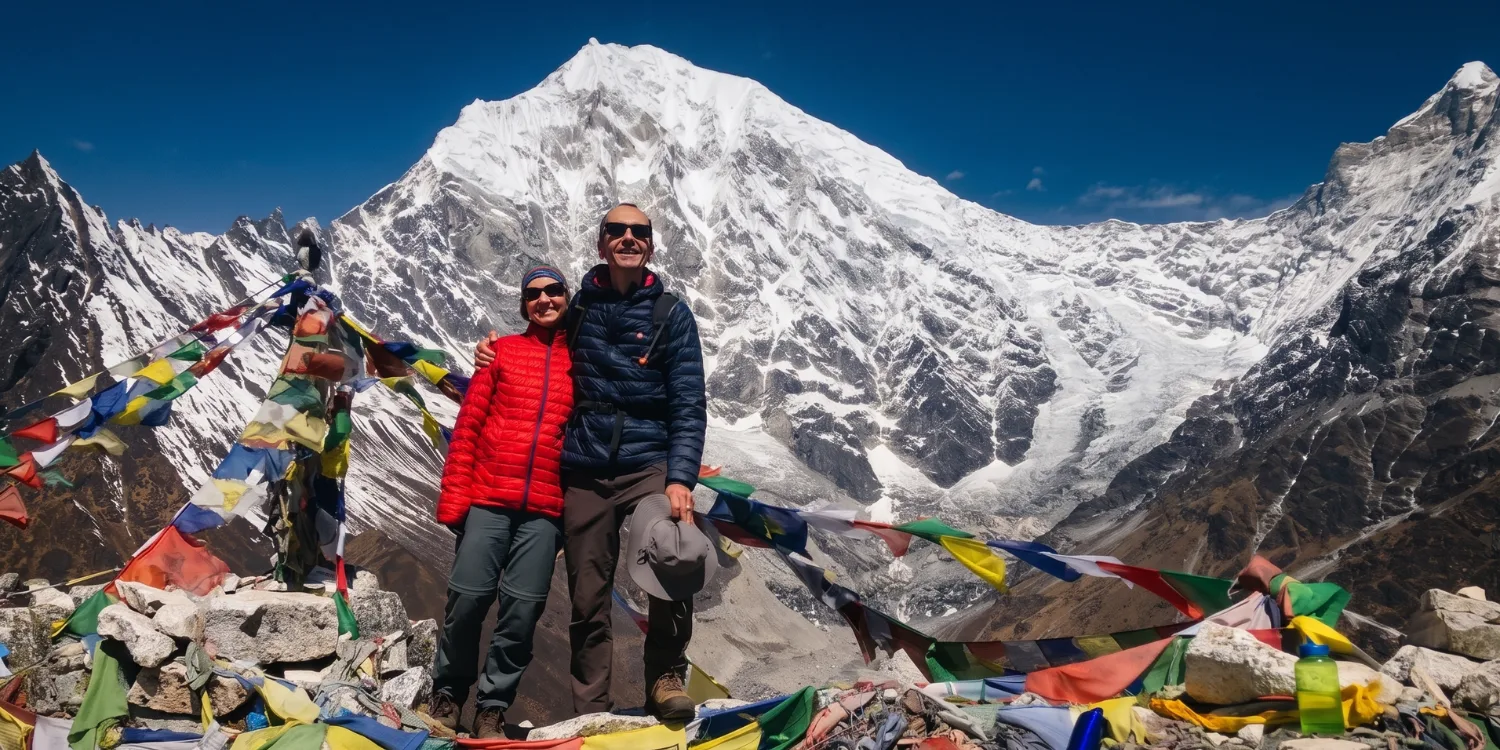
Trek Route
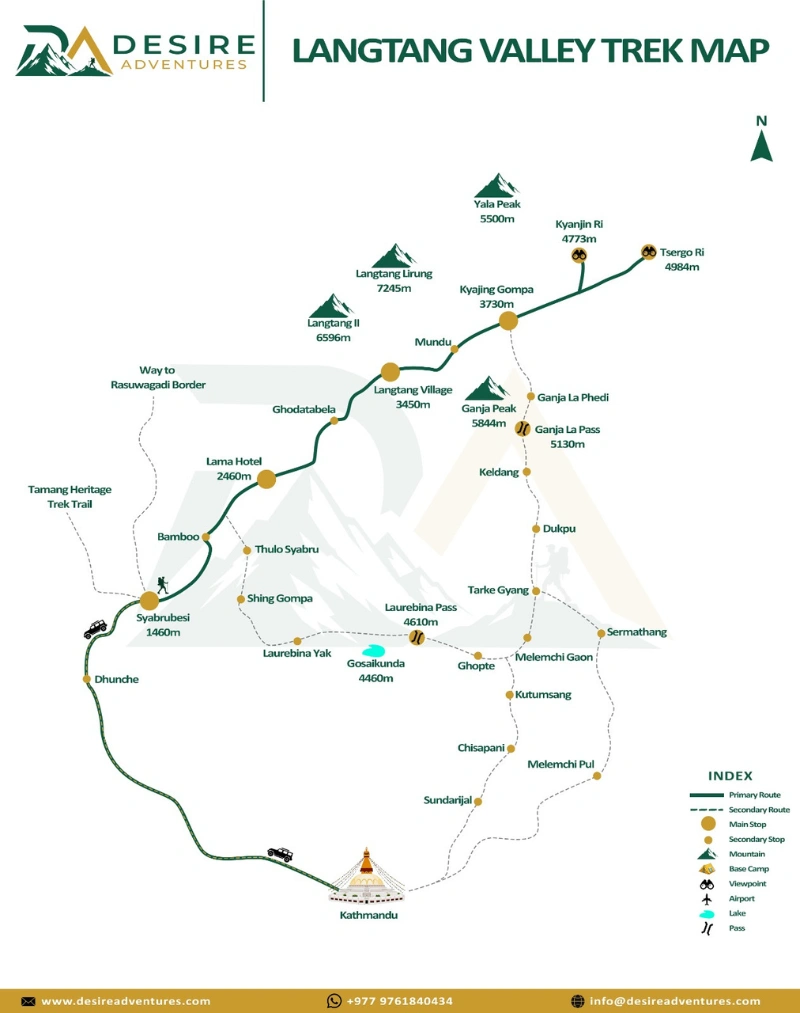
Route Map
Elevation Profile
Altitude Chart
Elevation profile across 10 days. Maximum altitude: 4,450m
Common Questions
Frequently Asked
The Pasang Lhamu Highway is a rugged mountain road with tight switchbacks and unpaved, bumpy sections especially the final stretch past Dhunche. While our standard package includes round-trip transport via the local public bus, upgrading to a private 4WD jeep is highly recommended if you want more comfort. A private jeep handles the rough terrain much better, allows you to stop whenever you want for photos or bathroom breaks, and can shave 1 to 2 hours off the total driving time.
Both are incredible mountain viewpoints located right behind Kyanjin Gompa, but they require very different physical outputs:Kyanjin Ri (4,773m): This is a shorter, steeper ridge hike that takes about 3 to 4 hours round-trip. It is highly accessible and offers an unbelievable close-up view of the Langtang Lirung glacier.Tserko Ri (5,033m): This is a demanding, full-day alpine climb taking 5 to 7 hours round-trip over loose rock and scree. It pushes you past the 5,000-meter mark and requires excellent physical endurance, but it rewards you with a completely unobstructed, 360-degree panoramic view of the entire Langtang Himalaya range. Your guide will help you decide which one to attempt based on your fitness and the morning weather.
Yes, the Langtang Valley is completely safe and open for tourism. The devastating earthquake of 2015 did completely destroy the original Langtang Village under a massive avalanche. However, over the last decade, the local community has done an incredible job rebuilding. The trails have been fully cleared and rerouted safely away from hazard zones, and entirely new, modern, structurally sound stone lodges have been built. Visiting Langtang today is a direct and powerful way to support the local economy and the resilient families who live there.b
Even though your core lodging, permits, and three daily meals are fully covered by Desire Adventure, you will still need local currency for personal trail expenses. We recommend changing money in Kathmandu and bringing roughly $20 to $30 USD (approx. 2,500 to 4,000 Nepali Rupees) per day in cash. This will easily cover your personal extra costs like satellite Wi-Fi tokens, device charging fees, hot showers outside of our 5 included nights, snacks, and a slice of apple pie at the Dorje Bakery. There are absolutely no working ATMs once we leave Kathmandu.
The Langtang Valley Trek is classified as a moderate Himalayan trek. It is significantly less demanding than the Everest Base Camp trek because the altitude increases more gradually and we sleep at a maximum height of 3,870 meters. You do not need any technical climbing experience, but you will be walking uphill for 5 to 6 hours a day with a backpack. If you have a decent baseline of cardiovascular fitness - obtained from regular running, cycling, or weekend hiking you will handle this trail comfortably.
You should never drink untreated tap water, stream water, or well water along the trail. To keep you safe from waterborne bacteria and to prevent plastic bottle pollution inside the national park, we recommend bringing two reusable 1-liter Nalgene bottles or a durable water bladder. Your guide will provide safely filtered or chemically treated purified drinking water every morning and evening to keep you properly hydrated on the trail.
Yes, you can absolutely complete the Langtang Valley Trek as a solo traveler with Desire Adventure. Because the trail is straightforward and our package includes a private, dedicated government-licensed guide and porter, you will never be left alone or unguided in the mountains. We run customized private departures for solo hikers on any date, or we can look to place you into a small group if you prefer the social dynamic of walking with fellow travelers.
You do not need to haul your entire vacation wardrobe or your hard-shell suitcases into the mountains. Any clean clothes, souvenirs, extra electronics, or travel gear that you only need for your city stays can be safely left behind in Kathmandu. We arrange a secure, complimentary storage locker for your extra bags directly at your hotel or our head office. You will pack only your essential trekking layers into the Desire Adventure duffle bag that our porters carry.
There are no professional laundry services or washing machines once you leave Kathmandu. In lower hubs like Syabrubesi or Lama Hotel, you can hand-wash small items like socks or base layers using biodegradable soap and hang them to dry on the outdoor lines at the tea houses. However, as we climb higher into the thin, cold air past Langtang Village, clothes will take days to dry completely. We highly recommend utilizing our recommended packing list to bring enough fresh layers to last the duration of the trek without needing to do major laundry.
Most lodges use standard European Type C (two round pins) or Indian/Nepali Type D and M (three round pins) electrical outlets. We recommend carrying a compact universal adapter. While our package includes 5 nights of en-suite rooms, bedrooms generally do not have power outlets. You will need to charge your phones, cameras, and power banks at the solar-powered or generator-fed charging stations in the main dining hall for a small cash fee ($2 to $5 USD per device).
Tipping is an deeply ingrained tradition in the Nepalese trekking industry and serves as a direct, tangible way to show appreciation for the grueling physical labor your field crew provides. While tipping is completely voluntary, a standard benchmark is to budget roughly $100 to $150 USD total per trekker for the staff pool. This money is traditionally given to your guide and porter on the final night of the trek in Syabrubesi during your completion celebration.
Scheduled Group Trips
Available Departures
Join a scheduled group departure for extra discounts and a shared adventure with fellow trekkers.
| Departure Date | Return Date | Duration | Price | Availability | |
|---|---|---|---|---|---|
| 29 Sep 2026 | — | 10 Days | 850 | 10 spots left | |
| 14 Oct 2026 | — | 10 Days | 850 | 10 spots left | |
| 31 Oct 2026 | — | 10 Days | 850 | Available | |
| 12 Nov 2026 | — | 10 Days | 850 | Available |