
About This Trek
Manaslu Circuit Trek
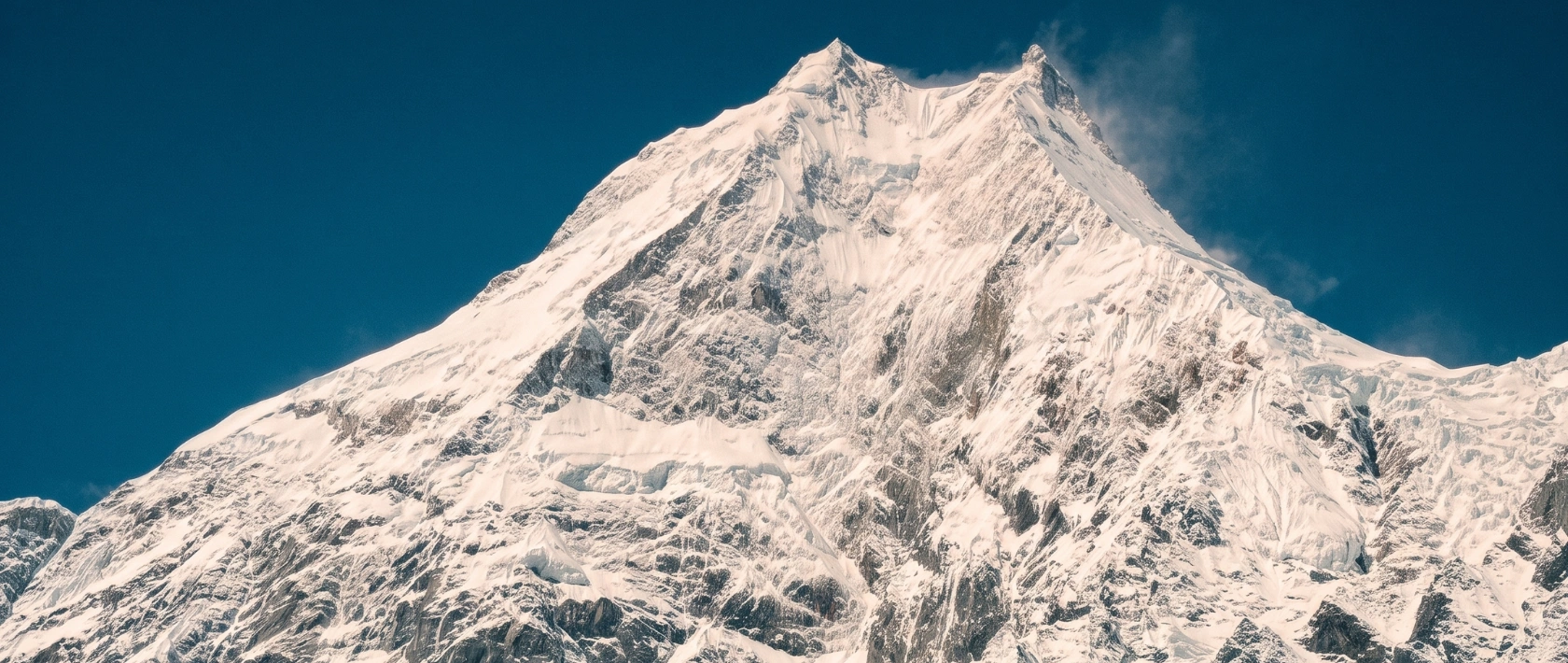
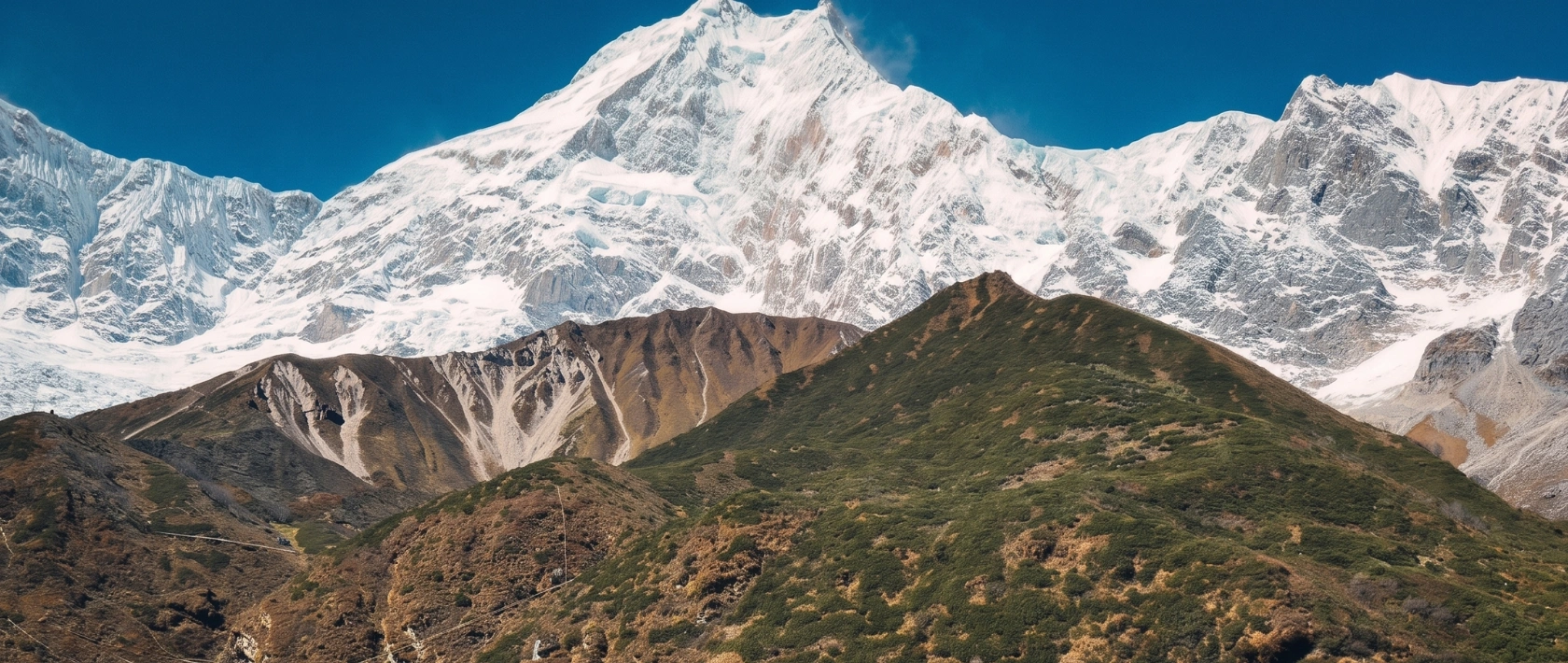
The Manaslu Circuit Trek is the complete, classic circumnavigation of Mount Manaslu (8,163m), the eighth-highest mountain in the world, and it remains one of the finest long-distance treks anywhere in Nepal. Over two weeks on the trail, you trace an entire loop around the massif, beginning in the warm river valleys of the Gorkha district and finishing where the route spills out onto the famous Annapurna Circuit. It is a journey that rewards patience and fitness with a depth of landscape and culture that shorter walks simply cannot match.
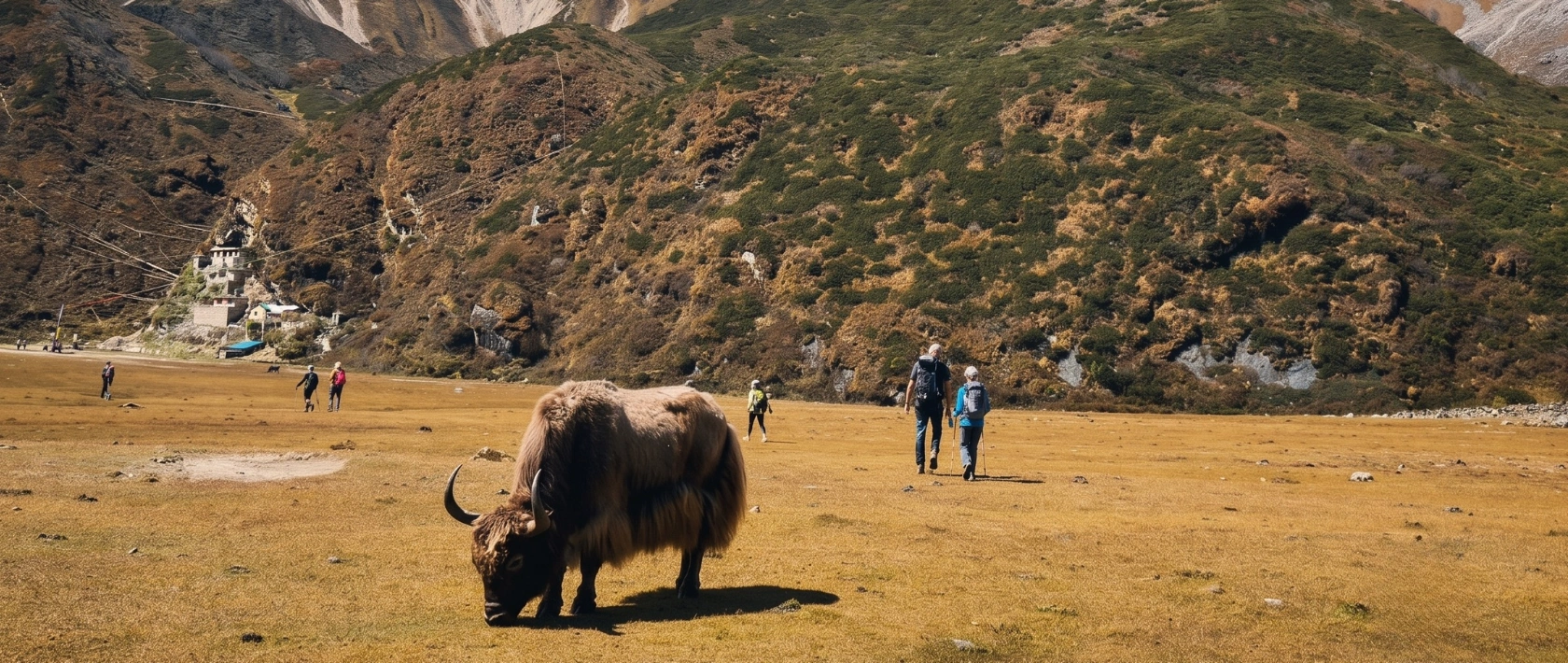
What sets this trek apart is its sense of unhurried discovery. The trail was once a salt-trading route between Nepal and Tibet, and that history is still written into the prayer-carved stones, the Tibetan-style villages, and the high mountain passes that link one valley to the next. The region only opened to foreign trekkers in 1991, and to this day it is a protected restricted area where independent walking is not permitted. The result is a trail that has stayed remarkably authentic – you walk through working villages and grazing pastures rather than rows of souvenir shops, and on most days you will see far more yaks than fellow trekkers.
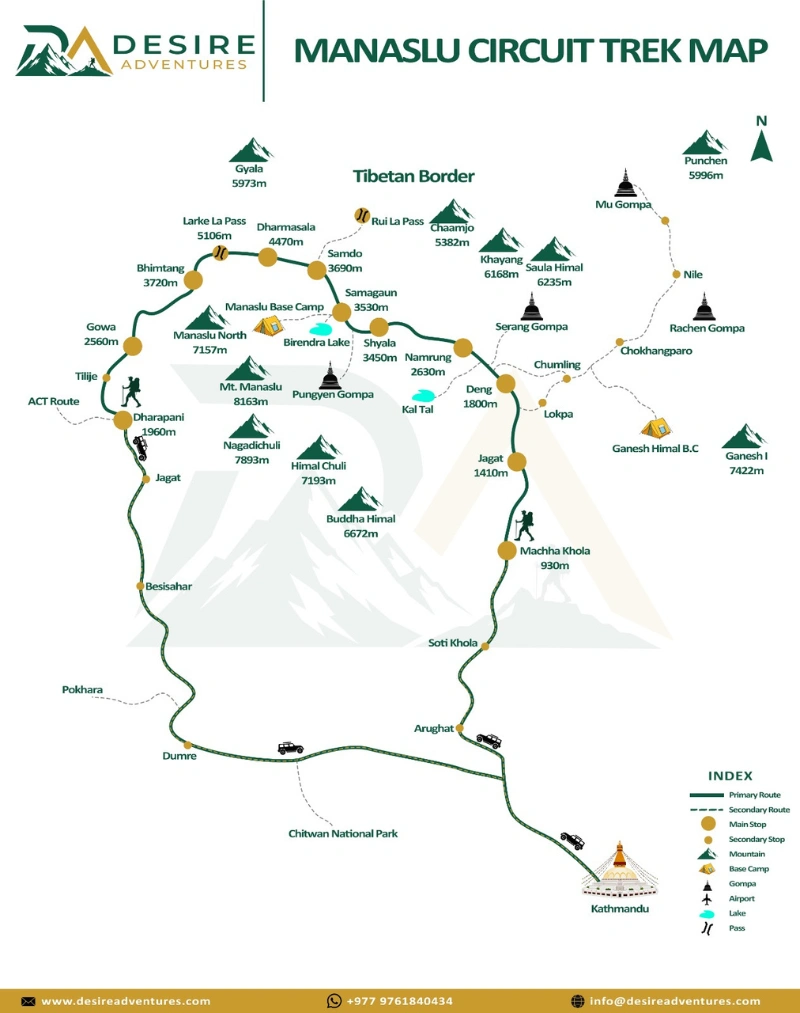
This full 15-day itinerary is the version we recommend for most international trekkers. It builds in an arrival day in Kathmandu, a proper acclimatization day at Samagaun, and a relaxed exit through the Annapurna region, all of which make for a safer, more rewarding, and more comfortable journey than a compressed schedule. You follow the thundering Budhi Gandaki upstream through its spectacular gorge, climb through pine and rhododendron forest into high Tibetan country, cross the dramatic Larkya La Pass at 5,106 metres, and descend through the green meadows of Bimtang and Gowa to rejoin the road at Dharapani.
From the steamy lowland terraces to the icy wind of the pass, you pass through almost every climate zone Nepal has to offer, all in a single continuous walk. For trekkers who want the genuine, complete Manaslu experience – and have the time and fitness to do it justice – this is the definitive way to do it.
Short on time? See our Short Manaslu Circuit Trek – 12 Days, a faster version of the same circuit for trekkers with a tighter schedule.
Why Trek the Full Manaslu Circuit?
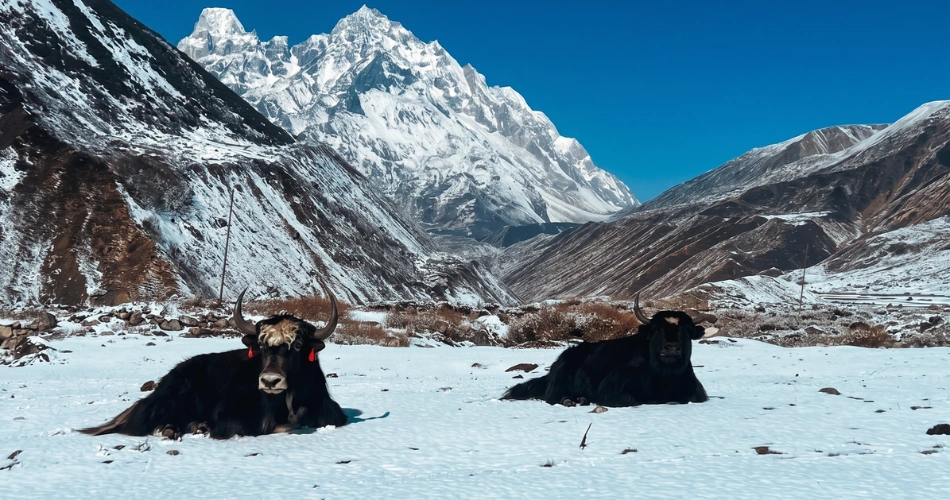
The Manaslu Circuit has quietly become one of the most sought-after treks in Nepal, and for good reason. It delivers the grandeur of an eight-thousander, the thrill of a serious high pass, and a cultural journey through Tibetan-influenced villages, yet it has kept the wild, uncrowded character that the Everest and Annapurna trails lost years ago. For trekkers who have already done the popular routes and want something more remote and adventurous, this is the obvious next step.
Choosing the full 15-day itinerary, rather than a shorter compressed one, is what allows the trek to breathe. The extra days give your body more time to adjust to the altitude, turn the long approach into a pleasure rather than a race, and leave room for the acclimatization hikes and cultural stops that make the Manaslu region so special. You also finish where the trail meets the Annapurna Circuit, a fitting end that connects two of Nepal’s classic routes.
The one thing to plan for is the restricted-area rule: this trek can only be done with a licensed guide and a minimum of two trekkers, arranged through a registered agency. That requirement is part of what protects the region, and it is exactly where a well-run package proves its worth.
What's covered
Includes & Excludes
✓ Included
- Airport pick-up and drop-off by private vehicle
- 2 nights' hotel accommodation in Kathmandu with breakfast (arrival and post-trek)
- Private vehicle transfers: Kathmandu – Machha Khola, and Besisahar – Kathmandu
- All three trekking permits: Manaslu RAP, MCAP, and ACAP, plus all local and government taxes
- Teahouse accommodation throughout the trek (twin sharing)
- All meals during the trek (breakfast, lunch, and dinner)
- Seasonal fresh fruit after dinner every day of the trek
- Treated, purified safe drinking water throughout the trek
- Government-licensed, experienced, English-speaking guide and all of his expenses
- One porter shared between every two trekkers, and all of his expenses
- Insurance for your guide and porter
- Company duffel bag and trekking map
- Basic first-aid kit with oximeter
- Farewell dinner in Kathmandu and an adventure certificate on completion
✕ Excluded
- Nepal entry visa fee and international airfare
- Lunches and dinners in Kathmandu (except the farewell dinner)
- Personal expenses such as all drinks (bottled water, tea, coffee, alcohol, soft drinks), hot showers, Wi-Fi, and device charging on the trek
- Travel insurance covering trip cancellation and helicopter evacuation above 4,000 m (mandatory)
- Tips for your guide, porter, and driver
- Any costs arising from early return, or from delays beyond our control such as weather, landslides, or strikes
Day by Day
Full Itinerary
Welcome to Nepal. On arrival at Tribhuvan International Airport, our representative will meet you and transfer you to your hotel in Kathmandu. Depending on your arrival time, you can rest, explore the lively streets of Thamel, or pick up any last-minute trekking gear. In the evening we hold a short pre-trek briefing, introduce your guide, and run through the plan for the days ahead.
Insider Tip: Thamel is the best place in the country to buy or rent trekking equipment. If you are missing anything, sort it out tonight rather than on the trail.
An early start takes you out of the Kathmandu valley and west toward Gorkha. The journey begins on smooth highway and gradually turns to a rough, winding mountain road that follows the river deeper into the hills. It is a long and bumpy day, but a scenic one, ending at the riverside village of Machha Khola where you spend your first night in the mountains.
Insider Tip: Keep motion-sickness tablets, snacks, and a light jacket in your daypack - the second half of the drive is rough and dusty.
The walking begins. You follow the Budhi Gandaki upstream, crossing suspension bridges and weaving through small farming villages and terraced fields. A short detour leads to the natural hot springs at Tatopani before you continue climbing to the neatly stone-paved village of Jagat, the official entry point to the Manaslu Conservation Area where your permits are checked.
Insider Tip: Keep your passport and permits handy for the Jagat checkpoint - your guide manages the formalities, but you may be asked to show your documents.
The valley tightens into a dramatic gorge today. The trail clings to the hillside high above the river, crossing some of the longest and most impressive suspension bridges on the whole route. You pass through Sirdibas and Philim before the landscape opens slightly and the first Buddhist chortens and mani walls appear, signalling your gradual entry into the upper Tibetan-influenced valley, ending at the small village of Deng.
Insider Tip: The gorge sections are stunning but exposed. Take your time on the high, narrow stretches and enjoy the scale of it all.
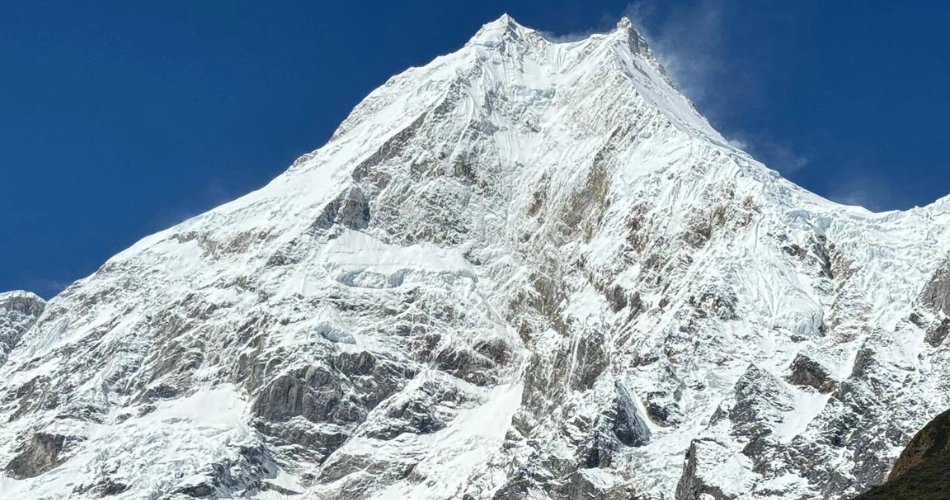
A beautiful day of steady climbing. You cross the river repeatedly and walk through cool forests of pine and rhododendron, passing carved stone gateways that mark your transition into the more devoutly Buddhist upper region. Prayer wheels and walls grow more frequent as you ascend to Namrung, a well-kept village with your first proper views of the peaks ahead, including Himal Chuli and Ganesh Himal.
Insider Tip: You are climbing past 2,600m now. Ease your pace on the ascents and keep your fluid intake high - gentle, sensible acclimatization starts here.
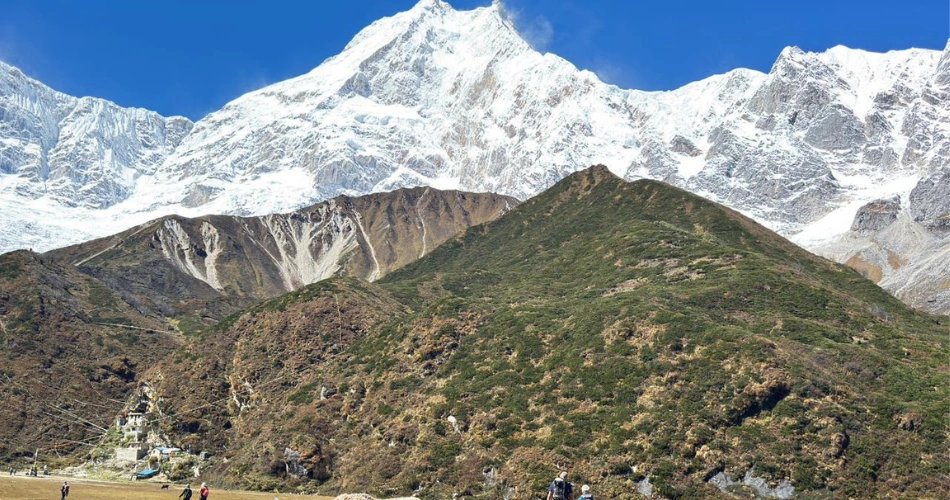
This is the day the high mountains take centre stage. Leaving Namrung, you climb through Lihi and Sho, with Manaslu rising ever larger ahead. You pass through Lho, home to the magnificent Ribung Gompa and one of the most celebrated Manaslu viewpoints on the trek, before reaching the open alpine village of Shyala, surrounded on nearly every side by snow-capped giants.
Insider Tip: The dawn and dusk light on Manaslu from Lho and Shyala is unforgettable. Have your warm layers and camera ready in the evening and early morning.
A shorter day with a rewarding cultural detour. On the way to Samagaun you can visit the remote and atmospheric Pungyen Gompa, dramatically set against a glacial backdrop. Samagaun is one of the largest and most traditional Tibetan-style villages on the route, a place of stone houses, yak herds, and fluttering prayer flags beneath the immense north face of Manaslu.
Insider Tip: Resist the urge to rush. Samagaun is the cultural high point of the trek - spend the afternoon walking its lanes and soaking up village life.
Today's rest day is one of the most valuable on the entire trek, and it is an active rest rather than a lazy one. Following the "climb high, sleep low" principle, you take a day hike to gain altitude before returning to sleep at Samagaun. Popular choices are the walk to the turquoise Birendra Lake, the longer ascent toward Manaslu Base Camp for a close-up view of the mountain, or a visit to the ancient hilltop monastery. Each prepares your body for the high pass to come.
Insider Tip: A few hours of uphill walking today does far more for your safety on Larkya La than a day spent resting in your room.
A short and easy day allows for gentle, gradual acclimatization. You follow the valley north into increasingly stark and beautiful high country, leaving the last trees behind. Samdo is the final permanent settlement before the pass, a Tibetan refugee village close to the old border trade route, where life revolves around yaks, barley, and the surrounding peaks. The afternoon is free for rest or a short acclimatization stroll.
Insider Tip: If you are feeling strong, the ridge behind Samdo offers a fine optional afternoon walk and extra altitude exposure.
Another deliberately short day to protect your acclimatization. You cross the river and climb steadily across bleak, treeless terrain to Dharmasala, also called Larkya Phedi - a cluster of simple stone shelters and basic teahouses at the very foot of the pass. There is little here but mountains and silence, and an early, well-organised night is essential before the big crossing.
Insider Tip: It is cold and spartan up here. Sort out all your warm gear, gloves, water, and headlamp before sleeping so you can move quickly in the pre-dawn dark.
The climax of the trek. You set out in darkness, usually around 4 am, to reach the pass before the afternoon winds. The ascent is long, gradual, and increasingly cold across moraine and snow, until you finally reach the prayer-flag-strewn top of the Larkya La at 5,106 metres. The reward is a magnificent sweep of peaks - Cheo Himal, Himlung Himal, Kang Guru, Nemjung, and Annapurna II - before a long, steep descent brings you down to the beautiful pasture of Bimtang, cradled by mountains.
Insider Tip: Carry micro-crampons for the icy sections near the top, and tuck spare camera batteries inside your jacket - the cold drains them in minutes.
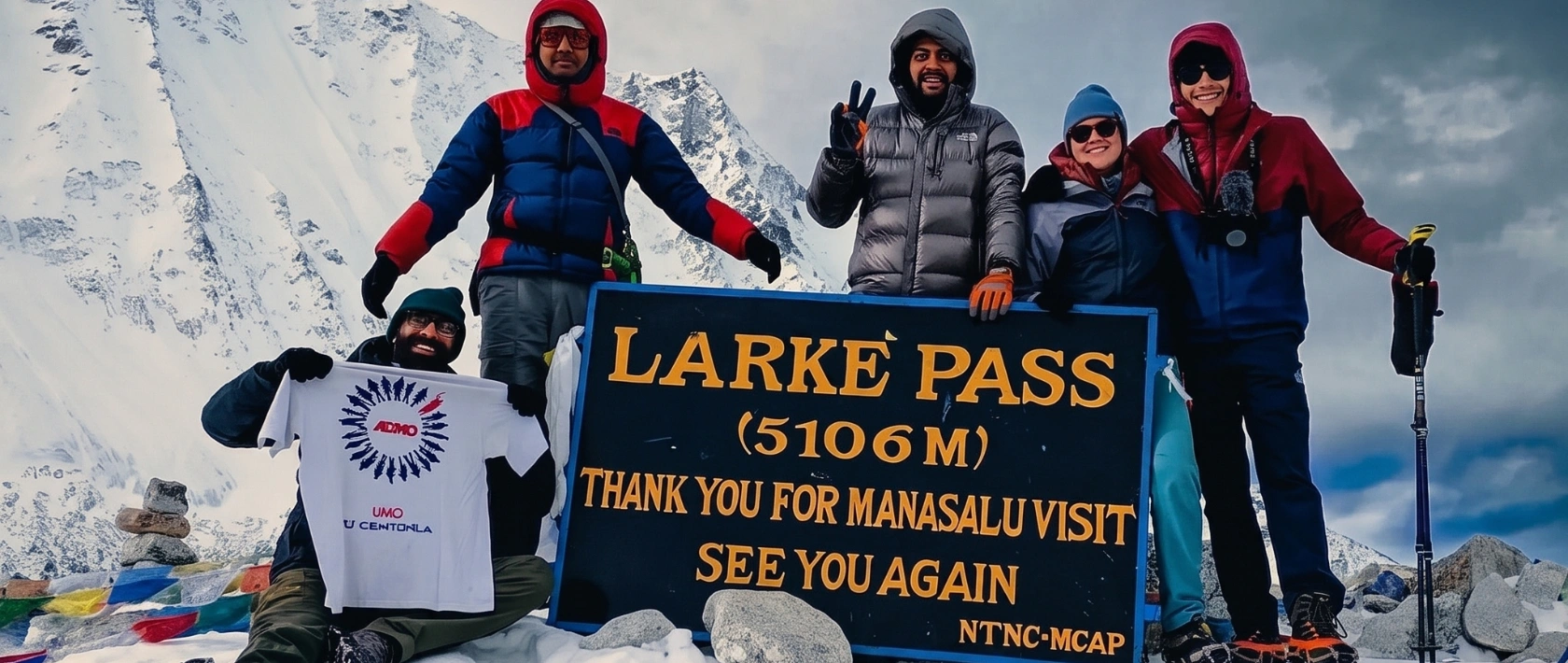
After the high, barren world of the pass, today is a gentle return to life and greenery. You descend through rhododendron and pine forest alongside the Dudh Khola, the air growing warmer and richer with every hour. The trail leads through quiet villages and grazing land to Gowa, where your weary legs can finally relax in a lower, milder setting.
Insider Tip: Your knees will feel yesterday's descent. Keep using your trekking poles today - the downhill continues, and they make a real difference.
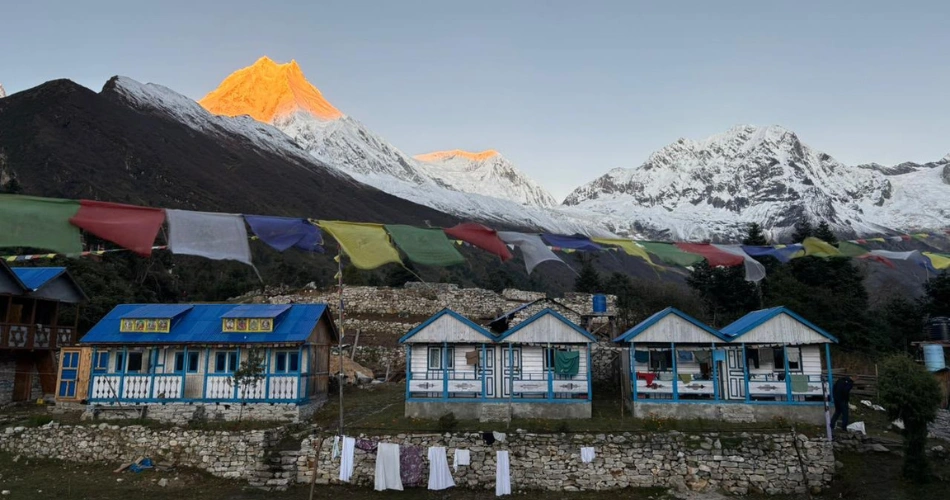
A short morning walk brings you to Dharapani, where the Manaslu Circuit officially meets the Annapurna Circuit. Here your trek on foot comes to an end. After a final trailside lunch, you board a vehicle for the bumpy but scenic drive down the Marsyangdi valley to Besisahar, where a hot shower and a comfortable bed await.
Insider Tip: Reaching Dharapani is a milestone - you have just walked a complete loop around an eight-thousand-metre mountain. Take a moment to enjoy it before the drive.
A relaxed final drive returns you to the capital, following river valleys and terraced hillsides back to Kathmandu. After checking in to your hotel, the rest of the day is yours to rest, shop for souvenirs in Thamel, or simply celebrate the completion of your trek. In the evening, we are delighted to host a farewell dinner to mark your achievement.
Insider Tip: This is the perfect afternoon for a well-earned massage in Thamel before your celebratory dinner.
Your Manaslu adventure comes to a close. Depending on your flight time, you are free to relax or do some last-minute shopping before our representative transfers you to the airport for your onward journey. We hope you leave with tired legs, a full memory card, and a lifetime of Himalayan memories.
Insider Tip: Leave a little time before the airport transfer to pick up any final gifts - Thamel is ideal for last-minute souvenirs.
Physical Preparation
Difficulty & Fitness
Moderate-StrenuousFitness level of Moderate to Strenuous is required for the trek.
What to Bring
Packing List
Everything you need for a comfortable and safe trek. Items marked Required are essential.
Clothing
-
Warm woollen or fleece beanie (valid 6+ months) with the Nepal visaRequired
-
Sun hat or wide-brimmed capRequired
-
Buff, neck gaiter, or balaclavaRequired
-
Glacier-grade UV sunglassesRequired
-
Headlamp with spare batteriesRequired
-
High-SPF sunscreenRequired
-
Moisture-wicking base-layerRequired
-
Thermal base-layer topRequired
-
Fleece jacket or warm mid-layerRequired
-
Heavyweight insulated down jacketRequired
-
Waterproof, windproof shell jacketRequired
-
Lightweight, quick-dry trekking trousersRequired
-
Thermal base-layer leggingsRequired
-
Warm fleece or soft-shell trousers for cold evenings:Required
-
Waterproof shell trousersRequired
-
Trekking shortsOptional
-
Breathable underwearRequired
-
Warm insulated gloves or mittensRequired
-
Lightweight liner glovesRequired
Footwear
-
Sturdy, broken-in, waterproof trekking bootsRequired
-
Lightweight camp shoesRequired
-
Warm wool trekking socksRequired
-
Liner socks to help prevent blistersRequired
Gears
-
Gaiters to keep out snow and grit on the passRequired
-
Micro-cramponsRequired
-
Trekking polesRequired
-
An extra warm layer and full gloveRequired
-
DaypackRequired
-
Duffel bagRequired
-
4-season down sleeping bagRequired
-
Lightweight dry bagsRequired
-
Reusable water bottlesRequired
-
Thermos flask for warm drinksRequired
Toiletries & Personal Hygiene
-
Quick-dry microfibre towelRequired
-
Toothbrush, toothpaste, and biodegradable soap/shampooRequired
-
Wet wipes and hand sanitiserRequired
-
Toilet paperRequired
-
Moisturiser and any personal skincareRequired
-
Small mirror, nail clippers, and any personal toiletriesRequired
Health & First Aid
-
Female hygiene products as neededRequired
-
Personal first-aid kitRequired
Electronics
-
Power bankRequired
-
Phone and charging cablesRequired
-
Camera with spare batteriesOptional
-
HeadphonesOptional
Additional Information
More Details
Key Villages Along the Trail
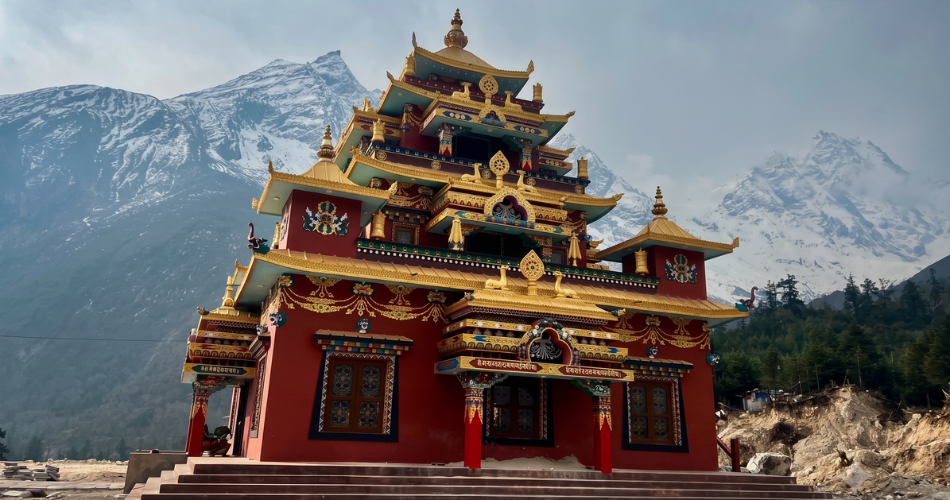
Jagat is the gateway to the restricted zone and your first permit checkpoint - a tidy, stone-paved village marking the boundary between open farmland and the protected conservation area.
Lho and Shyala, set high in the valley, offer some of the most spectacular Manaslu views of the whole trek, with Lho's Ribung Gompa a genuine cultural treasure.
Samagaun is the beating heart of the route - a large, traditional Tibetan-style village beneath Manaslu's north face, and your base for the all-important acclimatization day.
Samdo is the last village before the pass, a remote border settlement that captures the full wild remoteness of the high Himalaya.
Bimtang and Gowa, on the western side of the Larkya La, are beautiful descending stages - high meadows and gentle forest that feel like a green reward after the cold of the pass.
Larkya La Pass - The High Point of the Trek
Standing at 5,106 metres, the Larkya La is the dramatic centrepiece of the Manaslu Circuit and one of the most rewarding high-pass crossings in Nepal. It is a long, demanding day that calls for an early start, careful pacing, and respect for the thin mountain air. Most groups leave Dharmasala around 4 am, headlamps lighting the way, in order to reach the summit before the strong afternoon winds and to allow plenty of daylight for the long descent.
The climb to the top is gradual but unrelenting, crossing moraine and often snow, where light traction spikes or micro-crampons make the going safer and steadier. The summit itself, draped in weathered prayer flags, opens onto a breathtaking glacial cirque that ranks among the most beautiful panoramas in the Himalaya. The descent to Bimtang is steep and long, so conserve energy and protect your knees - but the sense of accomplishment at the top, with that wall of giants laid out before you, is something you will carry for the rest of your life.
Manaslu Circuit Trek Permits
The Manaslu region is a government-designated restricted area, which means its permit system is more involved than on the open Annapurna or Everest trails - and understanding it is essential before you travel. Three separate permits are required for the full circuit, and we handle all of them on your behalf:
- Manaslu Restricted Area Permit (MRAP): The central permit for the region, priced seasonally. In autumn (September to November) it is approximately USD 100 per person for the first week, with a modest daily fee thereafter; for the remainder of the year it drops to around USD 75 per person for the first week. (These are government rates and are revised from time to time - we confirm the exact current fee at the time of booking.)
- Manaslu Conservation Area Permit (MCAP): Covers the Manaslu Conservation Area itself.
- Annapurna Conservation Area Permit (ACAP): Required because the trek concludes in the Annapurna region at Dharapani.
The defining rule of this trek is that solo trekking is not allowed. Restricted-area regulations require a minimum of two trekkers accompanied by a licensed guide from a registered agency, and this is strictly checked at the entry and exit posts. Far from being an inconvenience, it is one of the reasons the region has remained so beautifully unspoilt - and booking a complete package means none of this paperwork ever lands on your shoulders.
Manaslu Circuit Trek Difficulty & Fitness
The Manaslu Circuit is firmly in the challenging category. Expect six to eight hours of walking on most days across rugged, remote, and sometimes steep terrain, all building toward a pass above 5,000 metres. The combination of consecutive long days, high altitude, and limited facilities makes it tougher than gentler routes such as the Annapurna Base Camp or Ghorepani-Poon Hill treks.
That said, the full 15-day itinerary is the most achievable way to take it on, because the extra days spread the effort out and aid acclimatization. You do not need any technical climbing skill, but solid cardiovascular fitness, strong legs, and the stamina for back-to-back trekking days are all important, and previous high-altitude trekking experience is a real advantage. The Larkya La day is the single hardest stage. With steady preparation and a sensible pace, a fit and determined trekker will find this one of the most satisfying journeys of their life.
Altitude Sickness & Acclimatization
Because you spend several nights above 3,500 metres and cross a pass over 5,000 metres, altitude sickness must be taken seriously. Acute Mountain Sickness (AMS) results from reduced oxygen at altitude and from climbing too fast - it has nothing to do with how fit or strong you are - so every trekker needs to respect it.
The good news is that this itinerary is deliberately built to minimise the risk, with short days as you approach the pass and a dedicated acclimatization day at Samagaun. Watch for early warning signs such as headache, nausea, loss of appetite, dizziness, and poor sleep. The rules are simple and effective: climb gradually, hydrate well, walk slowly and steadily, and tell your guide at the first sign of trouble. Our guides are experienced in altitude management and carry a first-aid kit with an oximeter to track your blood-oxygen levels along the way. Some trekkers take Diamox as a preventive measure - consult your doctor before the trip if you wish to. And remember: travel insurance covering helicopter evacuation above 4,000 metres is compulsory for this trek.
Best Time for the Manaslu Circuit Trek
Spring and autumn are the two prime seasons for this trek, and your choice also affects the cost of your restricted-area permit.
Autumn (September to November) is the most popular season and often the best, offering settled weather, clear skies, and superb post-monsoon visibility. As peak season, the trails are at their liveliest (though still quiet compared with Annapurna) and permit fees are at their highest.
Spring (March to May) is the other excellent window, with warmer temperatures, blooming rhododendron forests on the lower trail, and generally clear views, typically with fewer trekkers than autumn.
Winter (December to February) brings empty trails and crisp, clear skies, but heavy snow can close or seriously complicate the Larkya La Pass, and the high villages are extremely cold — a season for experienced, well-equipped trekkers only.
Monsoon (June to August) is generally best avoided. Lower trails become muddy and leech-ridden, landslides are possible, and cloud often hides the peaks, although the reduced permit fee and deserted trails tempt a few determined walkers.
Accommodation on the Trek
This package combines comfortable hotel nights in Kathmandu with authentic teahouse stays on the trail. On the circuit itself, expect simple but friendly local lodges rather than luxury - this is a remote, restricted region, so facilities are more basic than on the busier routes, especially as you climb higher. Rooms are usually twin-share with basic bedding, and bathrooms are typically shared, particularly at high stops like Dharmasala. Every lodge has a warm communal dining room heated by a stove, where trekkers gather each evening to eat, dry off, and swap tales of the trail.
Food & Drinking Water on the Trek
Even in this remote region, teahouse kitchens serve generous, energy-rich meals to keep you going. Breakfasts run to porridge, eggs, Tibetan bread, and pancakes, while lunch and dinner feature filling staples such as fried rice, noodles, potatoes, and soups. We always recommend the classic Dal Bhat - rice, lentil soup, and vegetable curry - both because it is wholesome and freshly made, and because most lodges will refill your plate for free until you are satisfied. As you gain altitude and supplies become harder to carry in, menus simplify and prices rise. To keep you hydrated and to protect this pristine area, your guide provides treated, purified safe drinking water each day, so there is no need to buy plastic bottles along the way.
Manaslu Circuit Trek Cost - What's Included & What Affects the Price
Our Manaslu Circuit Trek is a complete guided package covering your Kathmandu hotel nights, all three permits, your guide and porter, trail accommodation, and full-board meals on the trek. Several factors shape your final per-person price: the size of your group (the larger the group, the lower the cost per head), the season you choose (autumn permits cost more), whether you upgrade to private transport, and any extras such as a private room or a Tsum Valley extension. Get in touch for current departure dates and group pricing - we are always happy to tailor the trip to your needs.
On the trail
Photo Gallery
Trek Route
Route Map
Elevation Profile
Altitude Chart
Elevation profile across 15 days. Maximum altitude: 5,106m
Common Questions
Frequently Asked
The classic guided itinerary runs around 14 to 15 days, including arrival, acclimatization, and departure. A compressed 12-day version is possible for fit, time-limited trekkers, but the full 15 days is more comfortable and safer for most people.
It is a challenging trek with long daily walks, remote terrain, and a high pass at 5,106 metres. No technical skills are needed, but good fitness and ideally some prior trekking experience at altitude are recommended.
The Larkya La Pass sits at 5,106 metres (16,748 ft), the highest point of the trek and its most demanding day, with an early start and a long descent on the far side.
No. As a restricted area, the Manaslu region requires a minimum of two trekkers with a licensed guide through a registered agency. Solo trekking is not permitted, and the rule is enforced at checkpoints.
You need the Manaslu Restricted Area Permit, the Manaslu Conservation Area Permit, and the Annapurna Conservation Area Permit. The restricted-area permit is seasonal - roughly USD 100 per person per week in autumn and around USD 75 in other months - and we confirm the exact current rates when you book.
Autumn (September–November) and spring (March–May) offer the most stable weather and clearest views. Winter carries snow risk on the pass, and the monsoon is generally not recommended.
Yes, because you sleep at altitude for several nights and cross a 5,106-metre pass. The 15-day itinerary is designed to reduce the risk with short days near the pass and an acclimatization day at Samagaun, and your guide monitors your health with an oximeter.
Yes - the Tsum Valley extension adds a beautiful, sacred hidden valley to the circuit and is our most recommended add-on. It requires an additional restricted-area permit, which we arrange for you.
Scheduled Group Trips
Available Departures
Join a scheduled group departure for extra discounts and a shared adventure with fellow trekkers.
| Departure Date | Return Date | Duration | Price | Availability | |
|---|---|---|---|---|---|
| 18 Sep 2026 | — | 15 Days | USD 1550 | 4 spots left | |
| 7 Oct 2026 | — | 15 Days | USD 1500 | Only 8 left | |
| 12 Oct 2026 | — | 15 Days | USD 1500 | Full | Full |
| 23 Oct 2026 | — | 15 Days | USD 1500 | Only 10 left | |
| 26 Oct 2026 | — | 15 Days | USD 1500 | 5 spots left | |
| 30 Oct 2026 | — | 15 Days | USD 1500 | 4 spots left | |
| 6 Nov 2026 | — | 15 Days | USD 1500 | Only 7 left | |
| 16 Nov 2026 | — | 15 Days | USD 1500 | Waitlist |