
Every year, thousands of trekkers from around the world set out on the Everest Base Camp (EBC) Trek, one of the most popular hiking adventures on Earth. Before booking their trip, almost everyone asks the same question:
“Am I fit enough to do the Everest Base Camp Trek?”
The simple answer is yes, most healthy people can complete the trek without any problem. You don’t need to be a professional athlete, marathon runner, or experienced mountaineer. What you would need is a good level of general fitness, some preparation before your trip, and the determination to keep going when the trail gets challenging.
What Makes the Everest Base Camp Trek Challenging?
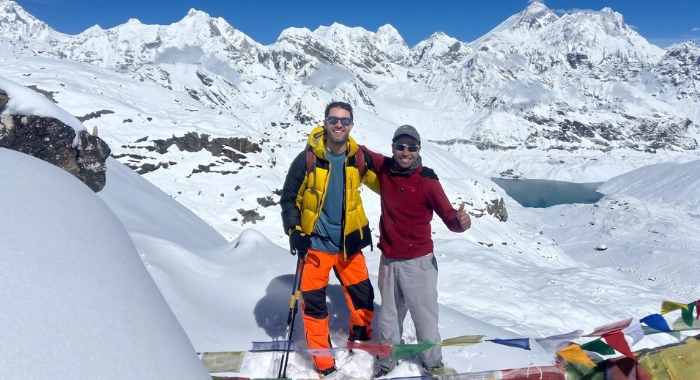
The Everest Base Camp (EBC) Trek is a high-altitude journey through Nepal’s beautiful Khumbu region. Depending on your itinerary, the trek usually takes around 14 days, covering approximately 130 km (80 miles) round trip. Most trekkers also hike to KalaPatthar (5,545 m) for one of the best sunrise views of Mount Everest and the close-up view of Mount Everest and other surrounding peak.
On average, you’ll trek 6-7 hours each day. Some days, like the walk from Lukla to Phakding, are relatively easy, while others include longer uphill climbs, rocky trails, suspension bridges, and steep descents. As you gain altitude, the thinner air makes the trek more challenging.
The toughest days are usually Phakding to Namche Bazaar and Lobuche to Everest Base Camp and back to Gorak Shep. But with a slow, steady pace, proper acclimatization, and your guide’s support, these challenges are achievable and every step brings you closer to an unforgettable achievement.
The good things is that the trek is not a technical climb. There are no ropes, crampons, or climbing skills required. The biggest challenge isn’t the terrain, it’s the combination of long walking days and high altitude.
Is the Trek Suitable for Beginners?
Yes, of course.
Every year, many first-time trekkers successfully complete the Everest Base Camp Trek. You don’t need previous trekking experience-just a reasonable level of fitness and the right preparation. Walking 8-10 km a day, doing a few day hikes, and some basic gym training before your trip will help you prepare. During the trek, simply walk at a slow and steady pace, follow your guide’s advice.
Age isn’t usually the deciding factor either. Young adults, families, and even trekkers in their 60s and 70s have successfully completed the journey. Your preparation and attitude matter much more than your age.
What Type of Fitness Do You Need?
The Everest Base Camp (EBC) Trek doesn’t require extreme athletic ability, but it does demand overall body fitness. Preparing in a few key areas will make your trekking much easier.
Cardiovascular Fitness
Good cardiovascular fitness helps your heart and lungs work efficiently during long days of trekking. Since you’ll be hiking for several hours each day, endurance is far more important than speed.
Before your trek – Walking, jogging, cycling, swimming, and regular hiking are excellent ways to build your stamina
Leg and Core Strength
Strong legs make hiking uphill and hiking downhill much easier, while a strong core improves balance and posture on uneven trails.
Exercises like squats, lunges, step-ups, calf raises, planks, and bodyweight workouts are all excellent choices. You don’t need to lift heavy weights-consistency is more important.
Flexibility and Balance
Stretching keeps your muscles loose and helps reduce soreness after long trekking days. Yoga or simple mobility exercises can improve flexibility, balance, and recovery while lowering the risk of injury.
Mental Fitness
The Everest Base Camp Trek is as much a mental challenge as it is a physical one.
There will be some cold mornings, long climbs, changing weather, and moments when you’ll feel tired. Staying positive, walking at your own pace, and remaining patient are just as important as being physically fit.
Many trekkers say that determination-not strength-is what helped them reach Base Camp.
How Should You Train?
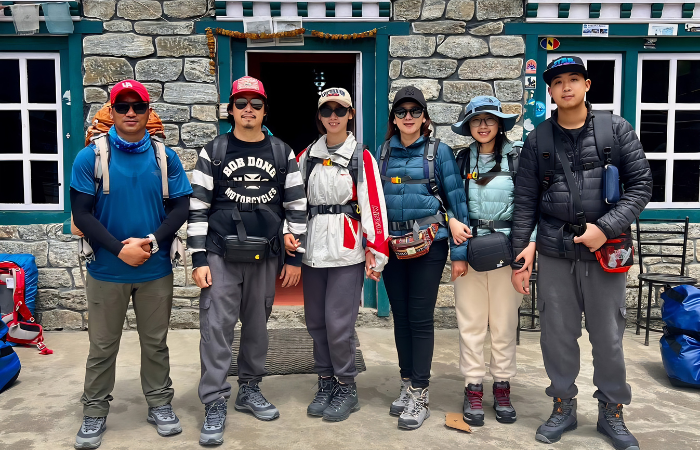
The best way to prepare is to start training 1-2 months before your trek.
Aim to exercise 3 to 5 days each week, gradually increasing the duration and intensity of your workouts.
A balanced training plan should include:
- Walking, hiking, jogging, cycling, or swimming three to five times per week.
- Strength training two or three times per week.
- Stretching or yoga several times each week.
- Stair climbing or hill walking while carrying a light backpack.
If possible, practice hiking on uneven trails. This gives your body a better idea of what to expect in the Himalayas.
Why Stair Climbing Is Great Training
If you don’t have mountains nearby, stairs are one of the best alternatives.
Walking up and down stairs strengthens your legs, improves endurance, and closely mimics the climbing you’ll experience on the trek. Start without weight, then gradually carry a small backpack as your fitness improves.
Don’t Forget About Altitude.
Even very fit people can experience altitude sickness.
As you climb above 3,500 meters, the oxygen level decreases, making physical activity more demanding. Common symptoms include headaches, fatigue, dizziness, nausea, and difficulty sleeping.
The best way to avoid altitude sickness is to:
- Follow a gradual itinerary of the Company
- Take acclimatization days seriously at Namche and Dingboche.
- Drink plenty of water at list 3ltr per day
- Eat hygienic meals.
- Walk slowly instead of rushing and running
- Listen to your guide if symptoms appear.
Being fit helps, but it doesn’t make you immune to altitude sickness.
How Long Should You Prepare?
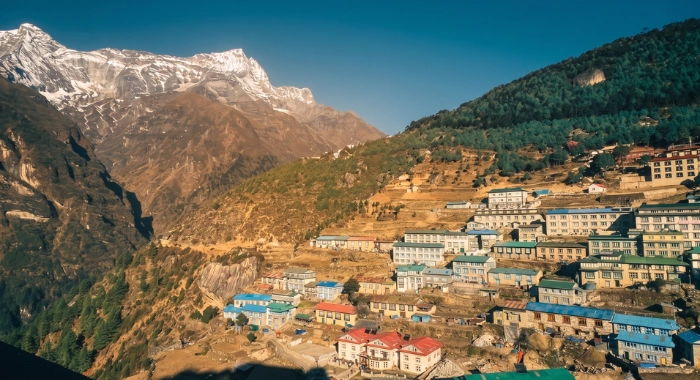
If you’re already active, 4 to 6 weeks of focused training may be enough.
If you don’t exercise regularly, try to give yourself at least three months to build your fitness gradually.
Remember, consistent training over several weeks is much more effective than a few intense workouts just before your trip.
Common Mistakes to Avoid:
Many trekkers make the journey harder than it needs to be by making a few simple mistakes.
Try to avoid:
- Starting the trek without any normal training.
- Walking too fast on the first few days on the mountain.
- Ignoring symptoms of altitude sickness in the mountain.
- Carrying an unnecessarily heavy backpack in the mountain.
- Not drinking enough water everyday.
- Skipping acclimatization days in Namche and Dingboche.
- Underestimating the cold at higher elevations.
Avoiding these common mistakes can make a huge difference to your overall experience.
Trekking gear that Makes the Trek Easier
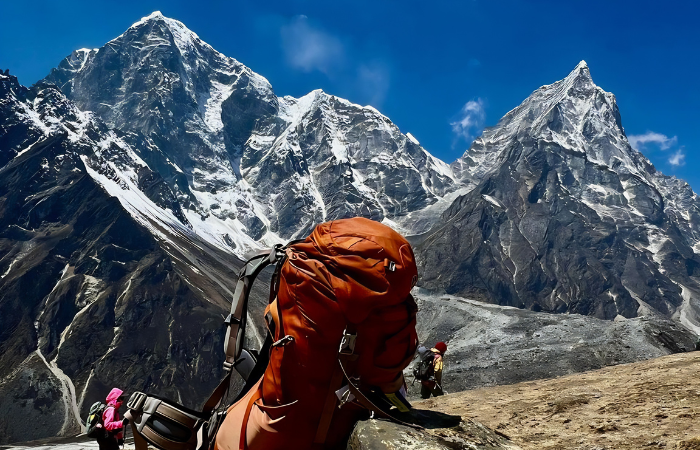
Having the right equipment it will make more comfortable the journey
A good pair of broken-in hiking boots, layered clothing, a waterproof and windproof jacket, hiking poles, light and warm gloves, sunglasses UV protection, sunscreen +50, and a comfortable day backpack are all essential. Packing light is also important, as carrying extra weight quickly becomes tiring at high altitude.
Final Thoughts
The Everest Base Camp (EBC) Trek is challenging, but it’s well within reach for most people who prepare properly.
You don’t need exceptional fitness or previous trekking experience. What matters most is building your endurance, strengthening your legs, training consistently, and giving your body enough time to adjust to the altitude.
Take your time, listen to your guide, stay hydrated, and enjoy the journey rather than focusing only on the destination.
Reaching Everest Base Camp is an unforgettable achievement, but the real reward is the experience itself, the spectacular Himalayan scenery, welcoming Sherpa culture, and the incredible sense of accomplishment that stays with you long after the trek is over.
