

Ghorepani is a small and picturesque mountain village in Nepal’s Annapurna region, situated at an altitude of approximately 2,850 meters above sea level. It is one of the Nepal’s most popular and accessible short treks, making it an excellent choice for beginners and travelers with limited time. Unlike the busy cities like Kathmandu and Pokhara, it offers a peaceful atmosphere surrounded by beautiful natural landscapes.
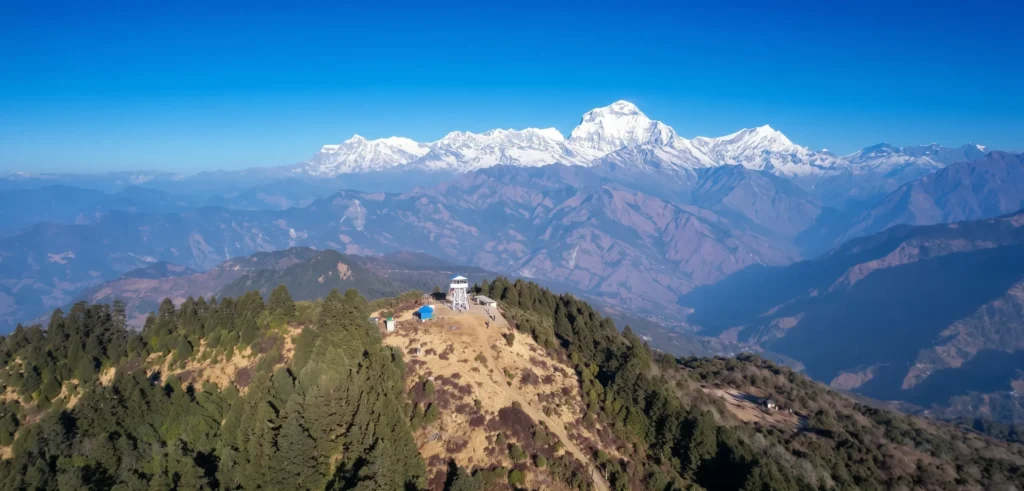
The trek offers a wonderful introduction to the Himalayas, combining spectacular mountain scenery, beautiful landscapes, and authentic local culture without the physical demands of a longer high-altitude adventure. The Ghorepani Poon Hill Trek in Nepal takes you through lush rhododendron and oak forests, charming traditional villages, and scenic mountain trails. Along the way, you can experience the warm hospitality of local communities, stay in cozy teahouses and enjoy Nepali cuisine while surrounded by breathtaking Himalayan landscapes.
Despite its remote location, Ghorepani offers a range of basic facilities to meet the needs of most travelers. Visitors can find warm, freshly prepared meals comfortable and clean rooms, lodges, hot showers and massages. Although the village is relatively isolated, these facilities provide trekkers with a comfortable place to rest and recover during the journey. Ghorepani also serves as convenient base for the exploring the surrounding Annapurna region and its popular trekking routes.
Choosing a reputable and trusted travel agency in Nepal can make your Poon Hill Trek safer, smoother and more enjoyable. From planning your itinerary and arranging comfortable accommodation to providing helpful guidance throughout the journey, a reliable trekking agency can take care of essential details and ensure you have stress-free and memorable experiences in the Himalayas.
In short, Ghorepani is a beautiful mountain village known for its stunning scenery, rich cultural diversity, and peaceful natural surroundings. Its close proximity to Poon Hill makes it a popular destination among trekkers. Overall, Ghorepani is a remarkable destination in the Annapurna region and an important stop on several popular trekking routes, including the Annapurna Circuit, Annapurna Base Camp (ABC), and Poon Hill Trek.
Unique Charm of Ghorepani Poonhill Trek:
- Spectacular Sunrise at Poon Hill: One of the main highlights of the trek is the breathtaking sunrise from Poon Hill. Trekkers can enjoy panoramic views as the first rays of sunlight illuminate the majestic Annapurna and Dhaulagiri mountain ranges.
- Ideal for short trek: The trek can generally be completed in 4-6 days, making it a convenient option for first-time trekkers and travelers with limited time.
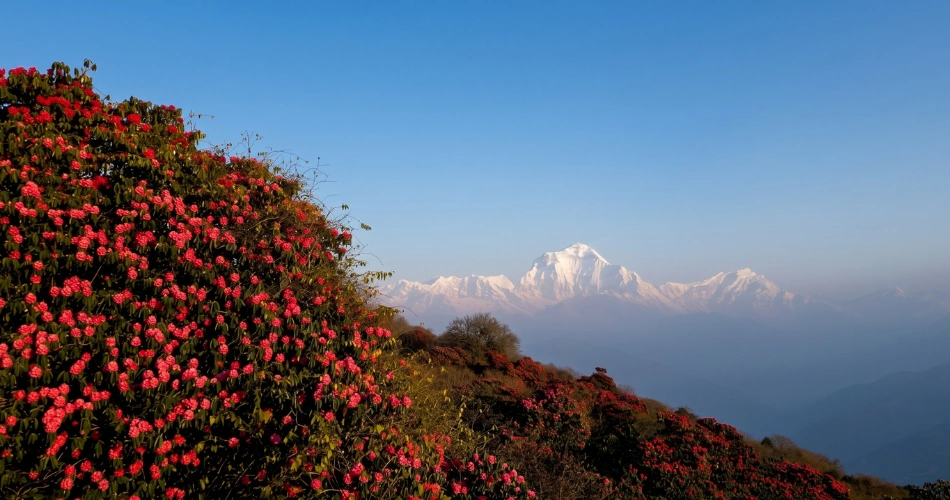
- Beautiful Forest Trials: The route passes through lush rhododendron, oak and pine forests creating a peaceful and scenic trekking experience. During spring,Rhododendron forests become especially vibrant with colorful blooms.
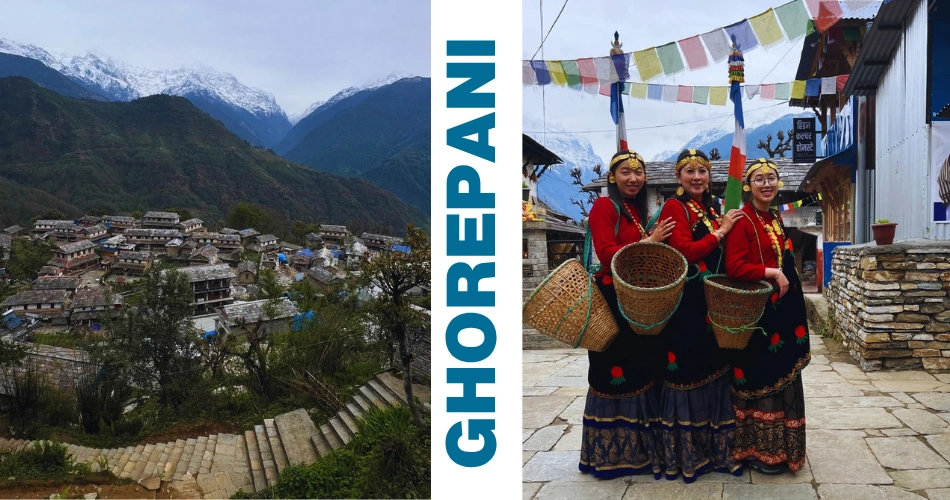
- Tradition Mountain Villages: The trail passes through charming villages such as Ghorepani, Tadapani and Ghandruk where trekkers can experience the tradition lifestyles, culture and hospitality of the local Gurung and Magar communities.
- Comfortable Tea Houses and Lodges: Tea houses and lodges are available along the route, providing convenient places to rest enjoy local meals and experience the warm hospitality of the Himalayan region.
- Panoramic Himalayan Views: Throughout the journey, trekkers can enjoy impressive views of snow-capped Himalayan Peaks, peaceful forests, terraced hillsides and picturesquemountain landscapes.
- Great Photography Opportunities: From colorful rhododendron forests and traditional villages to dramatic mountain panoramas and sunrise views, the trek offers plenty of opportunities to capture memorable photographs.
- A Memorable Himalayan Experience: Combining spectacular scenery, local culture, comfortable accommodation and relatively accessible trails, the Ghorepani Poon Hill Trek offers an unforgettable introduction to the beauty of the Nepalese Himalayans.
Classic Trekking Route for the Trek:
- Nayapul – gateway to the Annapurna region: The classic Ghorepani Poon Hill Trek Generally begins at Nayapul, a small settlement located within easy driving distance of Pokhara. It gradually follows the river valley through peaceful rural landscapes, passing terraced farmland, traditional villages and small streams.
- Tikhedhunga / Ulleri – Through Forests and Stone Steps : This section is characterized by a long series of traditional stone steps winding through dense forests, human settlement, cascading waterfalls, mountain streams terraced fields and picturesque villages.
- Ghorepani – A scenic Himalayan Settlement: The trail continues toward Ghorepani, one of the most popular villages on the route. Surrounded by beautiful rhododendron and oak forests, Ghorepani offers spectacular mountain scenery and a welcoming atmosphere. It is an important overnight stop and serves as the base for the early-morning excursion to Poon Hill.
- Poon Hill (3,210 m) – Himalayan Sunrise Viewpoint: The highlight of the journey is the pre-dawn hike to Poon Hill at 3,210 meters. Trekkers ascend in the early morning to witness the first rays of sunlight illuminating the Himalayan peaks. From the viewpoint, panoramic vistas stretch across the Annapurna and Dhaulagiri mountain ranges, with prominent peaks including Machapuchare (Fishtail) visible in the surrounding skyline. The combination of sunrise, mountain scenery, and changing colors across the peaks makes Poon Hill one of the most memorable viewpoints in the region.
- Tadapani – A journey through Rhododendron Forests: After returning to Ghorepani, the trek continues toward Tadapani, following forested trails through the some of the region’s most beautiful rhododendron and oak woodland.
- Ghandruk – Traditional Gurung Heritage: This traditional Gurung settlement is renowned for its stone-paves lanes, slated-roofed houses, terraced hillsides and spectacular mountain surroundings. It offers an opportunity to experience the local lifestyle and learn about the rich cultural heritage of Gurung community while enjoying the views of Annapurna range.
- Nayapul – Completion of the trek and Return to Pokhara: The final section of the journey follows a descending trail from Ghandruk toward Nayapul, passing through rural landscapes, terraced farmland and hillside communities.
Gear Selection Tips for the trek:
- Prioritize quality over quantity: A reliable pair of trekking boots, a good rain shell, warm insulating layer, comfortable backpack and trekking poles is more valuable than carrying numerous duplicate items. Choose quick-drying and moisture-wicking clothing rather than heavy cotton garments and test your footwear before to trek to avoid blisters.
- Season also matters: Spring and autumn generally allow for lighter packing, while winter requires additional warm layers and potentially traction equipment depending on trial conditions. During the monsoon, waterproof protection becomes especially important.
What not to over pack
The Ghorepani Poon Hill trek is primarily a teahouse-to-teahouse trek, so there is generally no need to carry camping equipment such as a tent, sleeping mat, cooking equipment or a large quantities of food. Keeping your luggage light is especially helpful on the steep stair sections of the trail.
Facilities and Services Available:
Ghorepani is a mountain settlement along the Ghorepani Poon Hill Trek, offering the essential facilities trekkers need for a overnight stay. While the village does not provide the same level of infrastructure or modern amenities found in Pokhara or other urban areas, its teahouses, lodges, restaurants, shops and basic services provide a comfortable and authentic Himalayan trekking experience.
Accommodation
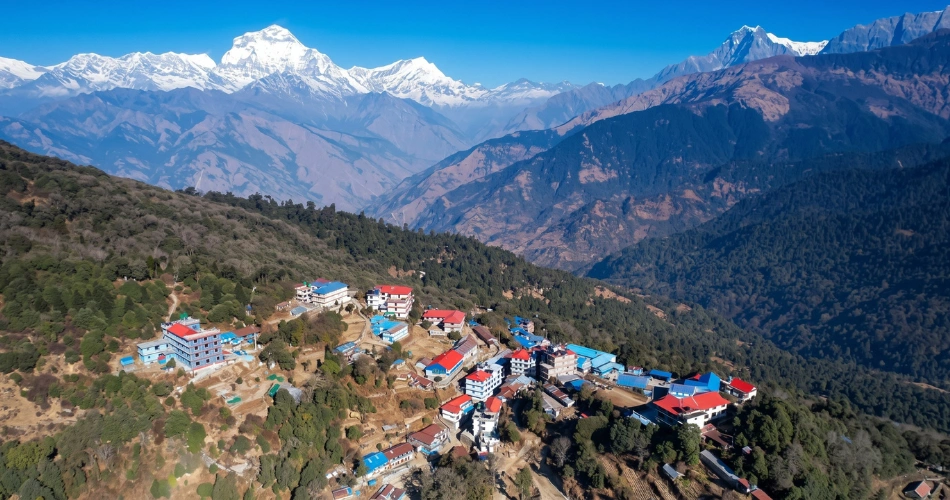
Accommodation in Ghorepani is primarily provided by teahouses, guesthouses and small trekking lodges. Most establishments offer simple yet comfortable rooms equipped with beds, mattresses, blankets and basic furnishings. Depending on availability, trekkers can choose private rooms and shared accommodation. Although the facilities remain relatively simple compared with city hotels, some lodges have been upgraded over the years and more modern accommodation options are gradually becoming available. During the busy trekking seasons, however rooms can fill quickly, so advanced planning is recommended. Many guesthouses also have communal dining areas, where trekkers can enjoy meals, socialize with each other hikers and relax around a fireplace or wood-burning stove during colder evenings.
Hot showers and Electricity
Hot showers are available at some lodges, although availability can depend on the lodge, weather conditions, and fuel or solar-heating capacity. In some accommodations, hot showers may involve an additional charge. Electricity is available but can be less reliable than in urban areas. Many lodges use solar power or local electricity networks, and charging facilities for mobile phones, cameras and other small electronic devices are generally available, sometimes for an additional fee. Because power interruptions can occur, carrying a power bank is a practical precaution.
Internet and Mobile Connectivity in Trek:
Internet access in Ghorepani is more limited than in Pokhara. Some lodges provide Wi-Fi, but connections can be a slow, intermittent or affected by weather and network conditions. Mobile connectivity may also vary depending on the location and service provider. Trekkers should therefore avoid relying entirely on continuous internet access and should download important maps, documents and travel information before beginning the trek.
Food and Dining
Ghorepani offers a variety of meals designed primarily for trekkers. The most common and dependable meal is dal bhat, traditionally consisting of rice, lentil soup, vegetables and accompanying side dishes. It is popular among trekkers because it provides a filling and energy-rich meal for long days on the trail. Food availability can be more limited than in cities because supplies have to be transported into the mountain region. Nevertheless, teahouses generally provide sufficient choices for trekkers, including vegetarian meals.
Warm and Welcoming Guesthouse Atmosphere:
Despite the limited infrastructure, one of the Ghorepani’s most appealing features is the warm and welcoming atmosphere of its mountain lodges. Guesthouse owners and staff often make considerable efforts to keep trekkers comfortable, particularly during cold evenings. Many lodges have communal dining with fireplaces or wood-burning stoves, creates a warm social environment where trekkers can enjoy dinner, share stories and relax after a long day of walking.
What Trekkers Should Expect
Ghorepani should be viewed as a mountain trekking settlement rather than a mountain tourist town. Its facilities are designed to provide the necessities for trekkers while preserving the character of the Himalayan environment. Visitors should expect:
- Comfortable but relatively simple accommodation
- Basic bathroom facilities
- Limited but varied trekking meals
- Intermittent internet connectivity
- Electricity that may be limited or unreliable
- Basic shops for essential supplies
- Limited medical services
Overall
The facilities in Ghorepani may be modest, but they provide the essential comfort and services required for a successful Himalayan Trek. The combination of welcoming teahouses, hearty local food, basic conveniences and spectacular mountain surroundings creates an authentic trekking experience. Rather than expecting the conveniences of a city hotel, trekkers can embrace the simplicity of mountain life while enjoying the hospitality of the local communities. For many visitors, the balance between basic comfort, traditional Himalayan culture and natural beauty is an important part of the Ghorepani Poon Hill experience.
FAQs:
Where is the Ghorepani Poon Hill Trek?
The Ghorepani Poon Hill Trek is a popular short trek in the Annapurna region of Nepal. It passes through traditional Gurung and Magar villages, rhododendron forests and mountain viewpoints with Poon Hill (3,210 m) being the main highlight.
How difficult is the Ghorepani Poon Hill Trek?
It is generally considered as a moderate trek. You don’t need technical climbing skills, but there are many stone steps and some long uphill sections. Basic fitness and regular walking practice are recommended.
What is the highest point of the trek?
The highest point of the trek is Poon Hill at approximately 3,210 meters (10,531 feet) above sea level.
Is altitude sickness is concern?
Altitude sickness is generally less of a concern than or higher Himalayan treks because the maximum elevation is relatively low. However, you can still experiences symptoms. Walk at a comfortable place, stay hydrated and allow your body time to adjust.
When is the best time to do the Ghorepani Poon Hill Trek?
The most popular seasons are:
- Spring (March-May): pleasant weather and rhododendron blooms.
- Autumn (September-November): generally clear mountain views and stable trekking conditions.
- Winter (December-February): colder, with possible snow at higher sections.
- Monsoon (June-August): wetter trails, clouds and leeches can make trekking less convenient.
How many days does the trek take?
A typically itinerary takes 4-6 days, depending on your starting point, transportation and pace whether you add places such as Ghandruk.
What mountains can I see from Poon Hill?
On a clear morning, you can see spectacular Himalayan peaks including Dhaulagiri, Annapurna South, Annapurna I, Machhapuchhre (Fishtail) and Nilgiri, depending on weather and visibility.
Why is Poon Hill Trek famous for sunrise?
Poon Hill is renowned for its panoramic sunrise views over the Annapurna and Dhaulagiri ranges. Trekkers usually leave Ghorepani early in the morning to reach the viewpoint before sunrise.
Do I need a guide for the trek?
A guide can make the trek easier and provide assistance with navigation, accommodation, local culture and emergencies. Whether one is required depends on the current regulations and route you choose, so it’s worth checking the latest Nepal trekking rules before departure.
What permits are required?
Requirements can change, but trekkers in the Annapurna region commonly need an Annapurna Conservation Area Permit (ACAP) and may need other trekking documentation depending on current regulations and whether they are trekking independently or through an agency.
Where do Trekkers stay?
Accommodation is mainly in teahouses and small lodges along the route. Rooms are generally simple, with shared bathrooms in many places. Meals such as dal bhat, noodles, soups, momos and other basic dishes are commonly available.
Is Wi-Fi and mobile network available?
Wi-Fi and mobile connectivity are available in some villages but coverage and reliability vary. It’s best not to depend on a continuous internet condition.
Is the trek suitable for beginners?
Yes. Ghorepani Poon Hill is one of the More accessible Himalayan treks and is popular with first-time trekkers. However, beginners should be prepared for steep stair sections and several hours of walking each day.
Can children do the trek?
Older children who are accustomed to walking and hiking can potentially complete the trek, but the itinerary should be adjusted to their age, fitness and experience. Younger children may find the long uphill sections challenging.
What should I pack?
Essential items included:
- Comfortable trekking shoes
- Warm layers and a waterproof jacket
- Trekking trousers
- Hat, Gloves and Sunglasses
- Sunscreen and lip bam
- Reusable water bottle
- Headlamp
- Basic first-aid supplies
- Personal medication
- Sleeping bag, particularly in colder seasons
- Trekking poles, If useful for you
Do I need previous trekking experience?
No. Previous Himalayan trekking experience is not necessary. Regular walking, stair climbing and cardiovascular exercise before the trip can help considerably.
Can I do the trek without camping?
Yes. Camping is normally unnecessary. The route has numerous teahouses and lodges where trekkers can eat and sleep.
Is the trek possible during the winter?
Yes, although temperatures can be cold and snow may affect higher sections around Ghorepani and Poon Hill. Winter trekkers should carry appropriate warm clothing and check trail and weather conditions.
How early do I need to wake up for Poon Hill Sunrise?
Usually around 4:30-5:30 AM, depending on the season and sunrise time. The climb from Ghorepani to Poon Hill generally takes around 45-60 minutes, depending on your pace and trail conditions.
What makes the Ghorepani Poon Hill Trek special?
The trek combines Himalayan scenery, sunrise views, rhododendron forests, traditional villages, local cultures and relatively short trekking days without requiring the high-altitude commitment of longer Annapurna or Everest-region treks.
Why Choose Desire Adventures for Ghorepani Poon Hill Trek?
Choosing the right trekking company can make your Ghorepani Poon Hill adventure more comfortable, organized and memorable. Desire Adventures combine local Himalayan expertise with personalized service to help you in the Annapurna region with confidence.
- Experienced Local Trekking Team- Desire Adventures is a locally based, government-licensed and TAAN-registered Nepal trekking agency, with more than 15 years of experience guiding trekkers in the Himalayas.
- Professional, Licensed Guides- Your trek is led by trained English-speaking guides who provide assistance throughout the journey and share knowledge about the mountains, villages, culture and trail.
- Personalized Itineraries- Desire Adventures highlights flexibility and customized itineraries, allowing the trek to be adapted to your available time, preferences and travel plans.
- Small-Group Experience- The published Poon Hill itinerary accommodates groups of 2-10 people, with the company stating a guide-to-client ratio of 1:5.
- Comprehensive Trek Support- The package includes key logistics such as trekking permits, accommodation, meals during the trek, guide and porter services, drinking water, transportation and required local and government taxes.
- Porter Support- Desire Adventures Provides porter services, with its published itinerary specifying one porter for every two trekkers, helping you enjoy the trail without carrying your entire luggage.
- Focus on Comfort and Convenience- The published itinerary includes lodge accommodation with attached rooms and hot showers on the trek, along with breakfast, lunch and dinner during trekking days.
- Strong Reach Guest Feedback- the Company’s Poon Hill currently displays a 4.9/5 rating on based on 96 reviews, including recent 2025 reviews praising the guide’s knowledge, helpfulness and support.
- A Complete Himalayan Experience- Rather than Focusing only on reaching Poon Hill, the itinerary combines Himalayan sunrise views with traditional villages, rhododendron forests, local culture and the landscapes of the Annapurna region.
Trek with a Local Team That Knows the Himalayas
With the experienced local guides, flexible itineraries, porter support and organized trekking logistics, Desire Adventures helps you focus on what matters most: enjoying the trail, meeting local people and experiencing the spectacular the Annapurna Region.
