

Nepal is one of the world’s most popular trekking, hiking, and climbing destinations, and autumn is widely regarded as one of the perfect seasons to visit its Himalayan trails. From the legendary Everest Base Camp and turquoise Gokyo Lakes to the peaceful villages of Langtang, the dramatic landscapes of Manaslu, and the ancient Tibetan-influenced culture of Upper Mustang, Nepal offers an incredible variety of trekking experiences.
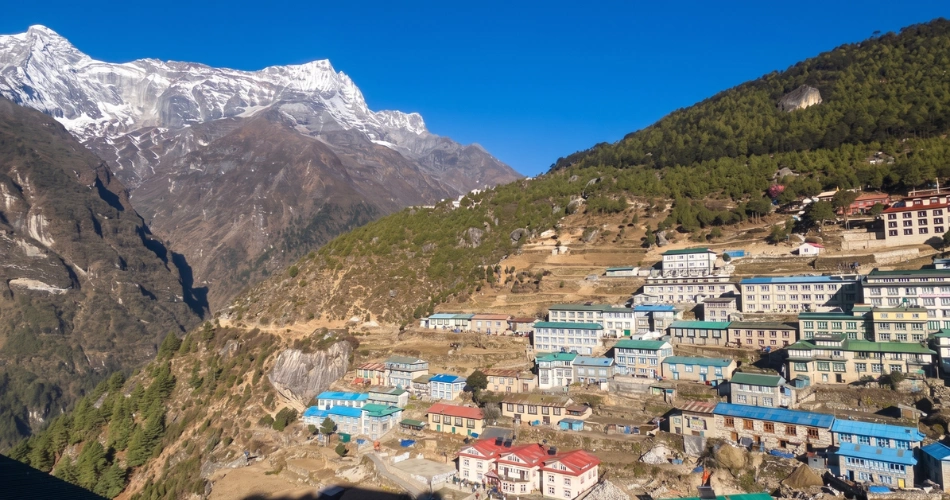
The autumn trekking season generally covers September, October, and November. During this period, the monsoon gradually moves away, the skies become clearer, mountain visibility improves, and most trekking trails become dry and comfortable. October is usually the busiest month, while September and November can offer a slightly quieter experience.
Whether you are planning your first Himalayan trek, travelling with family, looking for a challenging high-altitude adventure, or searching for a remote cultural experience, there is an autumn trek in Nepal that can match your interests.
In this guide, we explore the 10 best autumn treks in Nepal, compare their duration, altitude and difficulty, explain the differences between September, October and November, discuss costs and permits, and provide practical advice on packing, altitude safety and choosing the right trek.
Why Is Autumn the Best Time to Trek in Nepal?
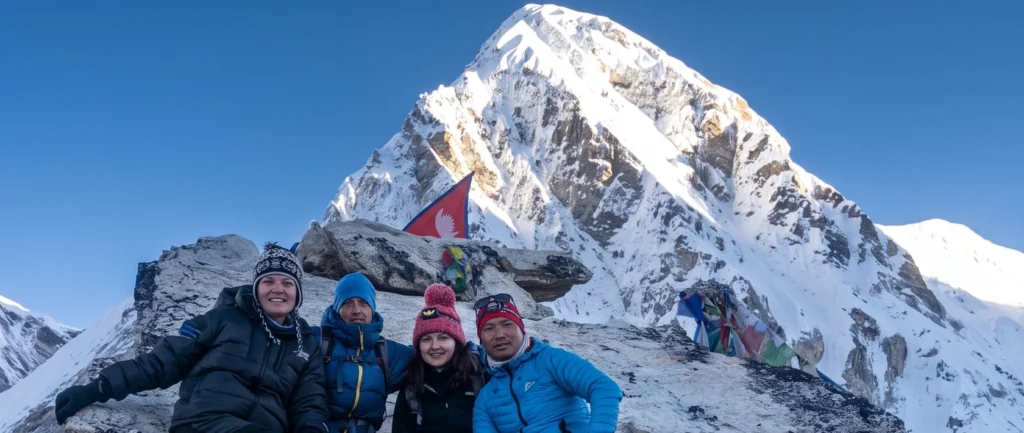
Autumn is widely regarded as one of the best seasons for trekking in Nepal. The season offers relatively stable and pleasant weather, clear skies, excellent mountain visibility, and generally dry and well-maintained trails, making it ideal for enjoying the Himalayan landscapes and comfortable trekking conditions.
Autumn is also a particularly special time to visit Nepal because it coincides with some of the country’s biggest and most important festivals, including Dashain and Tihar (Deepavali). These festivals provide visitors with a wonderful opportunity to experience Nepalese culture, traditions, family celebrations, and the warm hospitality of the local people alongside their Himalayan adventure.
The monsoon season usually leaves the country greener and fresher, particularly in the lower hills and valleys. As September progresses, rainfall normally decreases and the Himalayan skies begin to clear. By October, many popular trekking regions experience dry and stable weather, making it easier to enjoy long days on the trail and spectacular mountain views.
October is especially popular for trekking to Everest, Annapurna, Langtang and Manaslu. The daytime temperatures at lower and middle elevations are comfortable for walking, while the higher mountains often offer crisp and spectacular views.
November remains an excellent month, particularly during the first half. Temperatures gradually become colder, especially at night and at higher elevations, but the air can be remarkably clear.
Another advantage of autumn is that trekking infrastructure is generally fully operational. Teahouses, lodges, restaurants and transportation services are widely available along the major routes.
However, autumn is also the peak trekking season, particularly in October. Popular trails can become busy, so travelers seeking quieter experiences may prefer September or November or choose a less crowded route such as Manaslu or Upper Mustang.
Which Autumn Trek in Nepal Is Best for You?
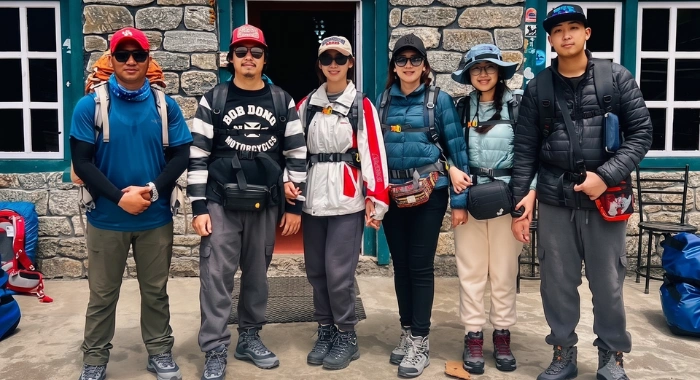
There is no single “best” trek for everyone. The right trek depends on your fitness level, available time, budget, previous trekking experience and the type of scenery or culture you want to experience.
Best for Beginners: Ghorepani–Ghandruk Trek
If this is your first Himalayan trekking experience, the Ghorepani–Ghandruk route is an excellent choice. It offers beautiful mountain views without requiring extremely high-altitude trekking.
Best for Families: Ghorepani–Ghandruk or Annapurna Base Camp
Families with reasonably active members can consider Ghorepani–Ghandruk, while families with older children and better fitness may enjoy Annapurna Base Camp.
Best for Experienced Trekkers: Annapurna Circuit or Manaslu Circuit
Both routes involve long walking days, high mountain passes and significant altitude gain. They are ideal for trekkers who already have some experience with multi-day mountain trekking.
Best Luxury Trek: Everest Base Camp
The Everest region offers excellent lodge accommodation and opportunities for upgraded accommodation, private guides and helicopter services, making it suitable for travelers looking for a more comfortable Himalayan experience.
Best Budget Trek: Ghorepani–Ghandruk
Its shorter duration, easy accessibility from Pokhara and relatively moderate altitude make it one of Nepal’s most economical trekking options.
Best Short Trek: Mardi Himal
Mardi Himal is an excellent choice for travelers with limited time who still want dramatic Himalayan scenery.
Best Remote Trek: Manaslu Circuit
The Manaslu Circuit offers a more remote and culturally immersive experience compared with Nepal’s most established trekking routes.
Best Cultural Trek: Upper Mustang
Upper Mustang is particularly attractive to travelers interested in Tibetan-influenced culture, ancient settlements, monasteries, caves and dramatic high-altitude desert landscapes.
Top 10 Best Autumn Treks in Nepal
1. Everest Base Camp Trek
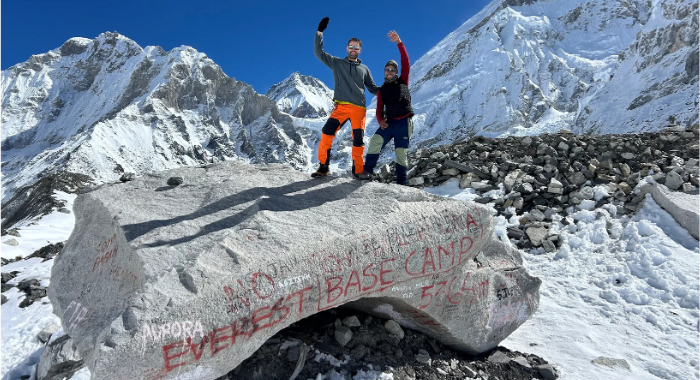
The Everest Base Camp Trek is perhaps the most popular trekking adventure in Nepal and remains a top choice for autumn travelers. The journey takes you deep into the Khumbu region, home to Sherpa communities, ancient monasteries and some of the world’s highest mountains.
The classic route usually begins with a flight to Lukla before following the Dudh Koshi Valley toward Namche Bazaar. From there, trekkers continue through Tengboche, Dingboche, Lobuche and Gorak Shep before reaching Everest Base Camp at approximately 5,364 meters.
One of the highlights is the acclimatization stop at Namche Bazaar and Dingboche where trekkers can enjoy spectacular views of Everest, Ama Dablam, Lhotse and surrounding peaks. The viewpoint at Kala Patthar is another major attraction, providing one of the classic panoramic views of Mount Everest.
Autumn is particularly attractive because clear mornings often provide excellent mountain visibility. October and November are popular months, so advance booking is recommended.
The trek is moderately challenging to challenging because of the altitude and several long walking days. Proper acclimatization is essential.
Best for: First-time Himalayan trekkers, mountain lovers, photographers and travelers who want to experience the world’s most famous trekking destination.
2. Gokyo Lakes Trek
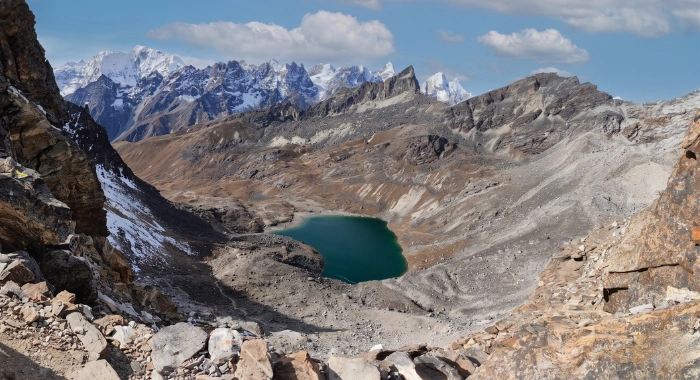
The Gokyo Lakes Trek is one of the most beautiful alternatives to the traditional Everest Base Camp route. Instead of following the main Everest trail all the way to Everest Base Camp, this trek leads into the peaceful Gokyo Valley, famous for its chain of turquoise glacial lakes.
The journey usually passes through Namche Bazaar before continuing toward Dole, Machhermo and Gokyo. From Gokyo, trekkers can climb Gokyo Ri (5,357 meters / 17,575 feet), one of the best viewpoints in the Everest region. From the summit, panoramic views of Everest, Lhotse, Makalu, Cho Oyu and numerous surrounding peaks can be seen in clear weather.
The Gokyo Lakes themselves are a major attraction. Their blue and turquoise waters contrast dramatically with the surrounding snow-covered mountains.
Autumn is an excellent season for this trek because dry conditions and clear skies generally improve visibility. The route is quieter than the main Everest Base Camp trail in some sections, although October can still be busy.
The trek reaches around 5,357 meters at Gokyo Ri, making acclimatization and gradual altitude gain important.
Best for: Travelers who want spectacular Everest-region scenery, glacial lakes, panoramic viewpoints and a somewhat different experience from the classic Everest Base Camp route.
4. Ghorepani Ghandruk Trek
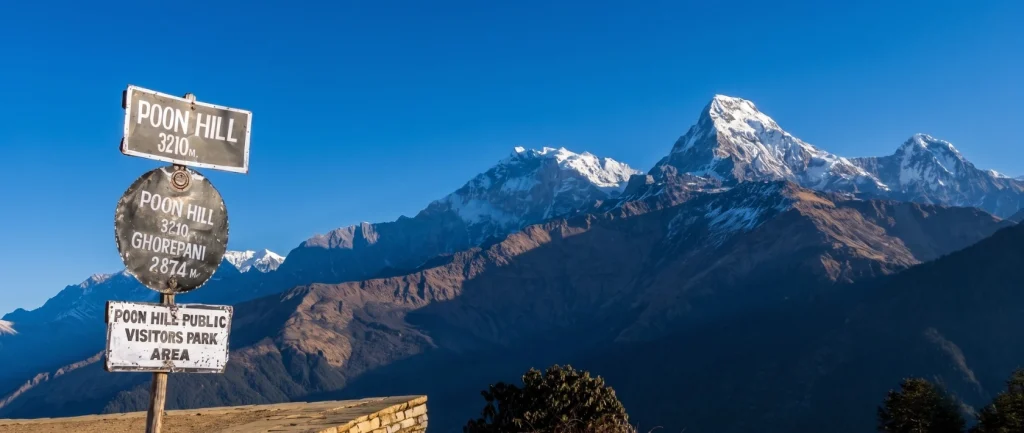
The Ghorepani–Ghandruk Trek is one of the best short and accessible trekking experiences in Nepal. It is particularly suitable for first-time trekkers, families and travelers who have only a few days available.
The route passes through beautiful Gurung and Magar villages, rhododendron forests, terraced farmland and peaceful mountain landscapes. One of the major highlights is the early-morning hike to Poon Hill (3210 meters), where trekkers can enjoy a spectacular sunrise over the Annapurna and Dhaulagiri ranges.
The trek usually reaches around 3,210 meters, making it significantly lower than Everest Base Camp or Annapurna Circuit. This reduces the risk associated with extreme altitude, although normal trekking preparation is still important.
Autumn provides excellent conditions for the trek. The forests remain attractive after the monsoon, the air becomes clearer and the mountain views can be magnificent.
Ghandruk itself is another highlight. The traditional village provides an opportunity to experience Gurung culture, local architecture and mountain hospitality.
Best for: Beginners, families, short holidays, older travelers and anyone looking for a beautiful Himalayan experience without a long or highly demanding trek.
5. Annapurna Circuit Trek
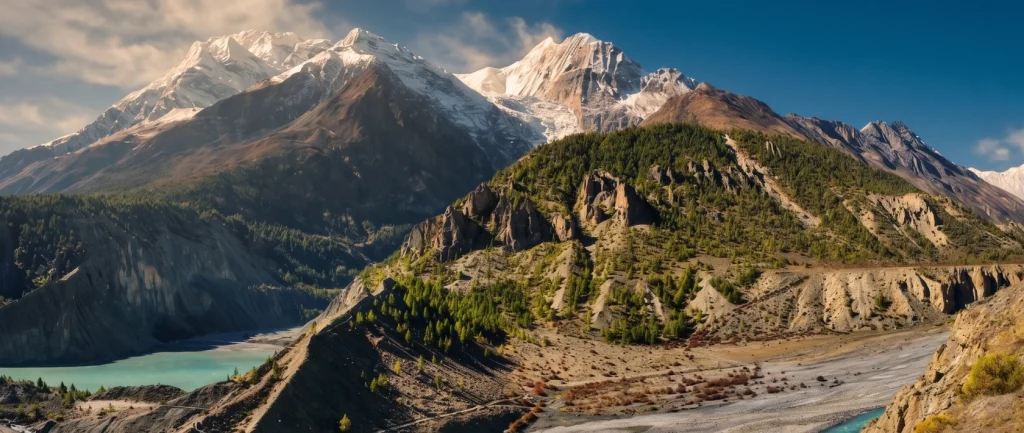
The Annapurna Circuit Trek is one of Nepal’s classic long-distance trekking routes. It is famous for its extraordinary geographical and cultural diversity, taking trekkers from subtropical valleys through alpine landscapes and eventually across the spectacular Thorong La Pass at approximately 5,416 meters (world’s highest trekking pass).
The trek follows the Marsyangdi River through traditional villages and gradually enters the high Himalaya. As the altitude increases, the landscape changes dramatically, eventually becoming dry and rocky around Manang and Mustang.
One of the most exciting parts of the journey is crossing Thorong La Pass (5416 meters). From the pass, trekkers experience breathtaking mountain scenery before descending toward Muktinath and the Kali Gandaki region.
Autumn is an excellent season for the Annapurna Circuit because September through November generally provides favorable trekking conditions. The Annapurna region is officially identified by Nepal Tourism Board as one of Nepal’s major trekking destinations, with September to November among its recommended seasons.
The trek is challenging because of its length, altitude and high pass crossing.
Best for: Experienced trekkers, adventure travelers, long-distance hikers and anyone wanting a highly diverse Himalayan journey.
6. Langtang Valley Trek
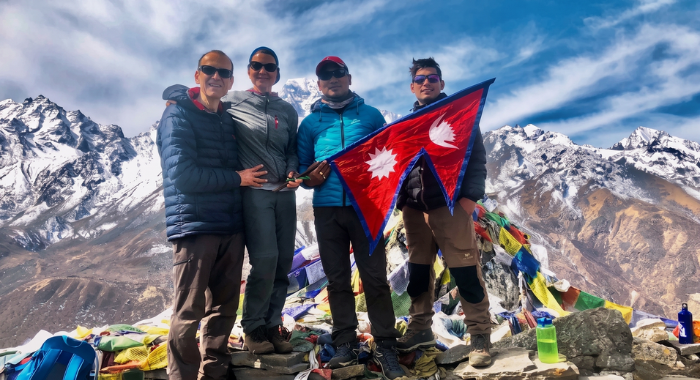
The Langtang Valley Trek is one of the best choices for travelers seeking spectacular Himalayan scenery relatively close to Kathmandu. The route combines mountain landscapes, traditional Tamang culture, forests, rivers and alpine valleys.
The trek normally begins around Syabrubesi and follows the Langtang Valley toward Lama Hotel, Langtang Village and Kyanjin Gompa. From Kyanjin, trekkers can take optional hikes toward viewpoints and surrounding valleys.
The highest main settlement is Kyanjin Gompa, at approximately 3,870 meters, making the trek considerably lower than some of Nepal’s major high-altitude routes.
The region is known for its Tamang cultural heritage and traditional mountain villages. The surrounding mountains create an impressive backdrop throughout the journey.
Autumn is one of the best seasons for Langtang trekking. Nepal Tourism Board recommends March–May and October–November as particularly suitable periods for the Langtang region.
The trek is generally considered moderate, although some days can be physically demanding.
Best for: Travelers with limited time, beginners with good fitness, families, culture lovers and trekkers who want a beautiful Himalayan experience without travelling deep into the Everest or Annapurna regions.
7. Langtang Valley with Gosaikunda Pass Trek
Combining the Langtang Valley and Gosaikunda regions creates a longer and more varied Himalayan adventure. This trek combines mountain scenery, Tamang and Himalayan culture, alpine forests, high-altitude lakes and a challenging mountain pass.
After exploring the Langtang Valley and Kyanjin area, the route can continue toward the Gosaikunda region. The sacred Gosaikunda Lake is an important pilgrimage destination and is surrounded by dramatic mountain scenery.
Depending on the itinerary, the trek can cross Lauribina La Pass, which reaches approximately 4,610 meters. The high pass makes this route more demanding than the standard Langtang Valley Trek.
Autumn is a particularly good time because the trails are generally drier and mountain visibility is often excellent. September can retain some post-monsoon greenery, while October and November usually provide clearer conditions.
The trek is suitable for travelers who want more than a straightforward valley trek and are comfortable with high-altitude walking.
Best for: Experienced hikers, adventure travelers, culture lovers and trekkers who want to combine Langtang’s mountain scenery with a high Himalayan pass and sacred alpine lake.
8. Mardi Himal Trek
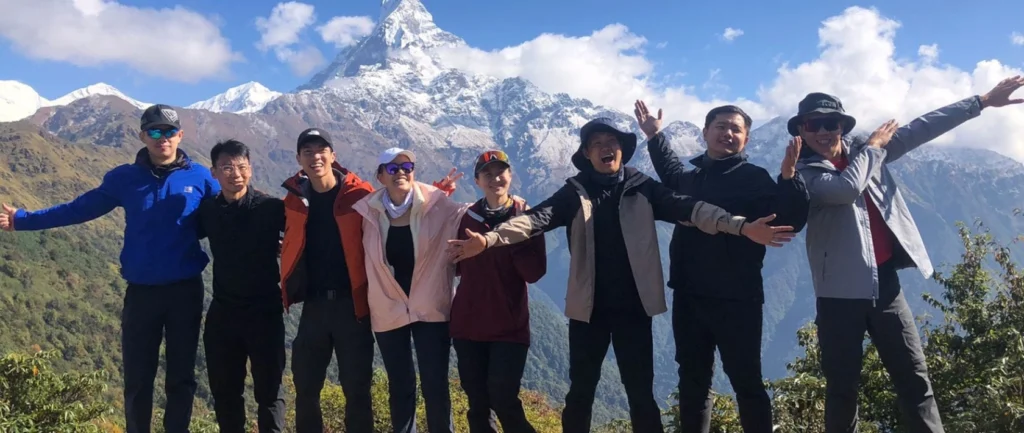
The Mardi Himal Trek has become one of Nepal’s favorite short Himalayan adventures. Despite its relatively short duration, the trek offers impressive views of Machhapuchhre, Annapurna South, Hiunchuli and the surrounding Annapurna range.
The route begins near Pokhara and passes through forests, traditional settlements and alpine landscapes. As the trail climbs higher, the vegetation becomes thinner and the mountain views become increasingly dramatic.
The main attraction is the high viewpoint area around Mardi Himal Base Camp, reaching approximately 4,500 meters, depending on the itinerary and highest point visited.
One of Mardi Himal’s biggest advantages is accessibility. Travelers can experience high mountain scenery without committing to a two-week expedition.
Autumn is particularly attractive because the monsoon has refreshed the landscape, while October and November generally provide clearer Himalayan views.
Although the trek is shorter than Everest Base Camp or Annapurna Circuit, it should not be underestimated. The higher sections can be cold, and the trail includes steep ascents and descents.
Best for: short holidays, photographers, younger travelers, first-time trekkers with good fitness and travelers looking for excellent mountain views within a limited timeframe.
9. Manaslu Circuit Trek
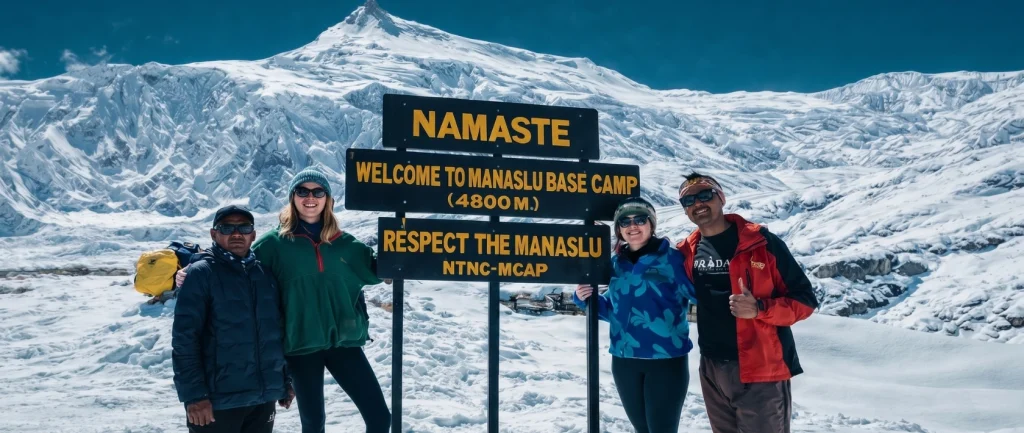
The Manaslu Circuit Trek is one of Nepal’s most rewarding remote trekking experiences. It combines dramatic Himalayan scenery, traditional villages, Tibetan-influenced culture and challenging high-altitude terrain.
The route circles Mount Manaslu, the world’s eighth-highest mountain, and gradually climbs through the Budhi Gandaki Valley toward the high Himalaya.
One of the most challenging and memorable sections is the crossing of Larkya La Pass at approximately 5,106 meters. The pass provides spectacular views of Manaslu and surrounding peaks.
Compared with the Everest and Annapurna routes, the Manaslu Circuit generally offers a more remote and culturally immersive experience. The trail passes through villages where traditional lifestyles remain an important part of everyday life.
Autumn is among the best seasons for Manaslu. Nepal Tourism Board lists September–November among the recommended periods for the Manaslu region.
Because Manaslu is a restricted trekking area, travelers need the appropriate special permit and must follow the current government requirements. The Department of Immigration currently lists different Manaslu permit rates depending on the season.
Best for: Experienced trekkers, adventure travelers, photographers and people seeking a quieter and more culturally immersive Himalayan experience.
10. Upper Mustang Trek
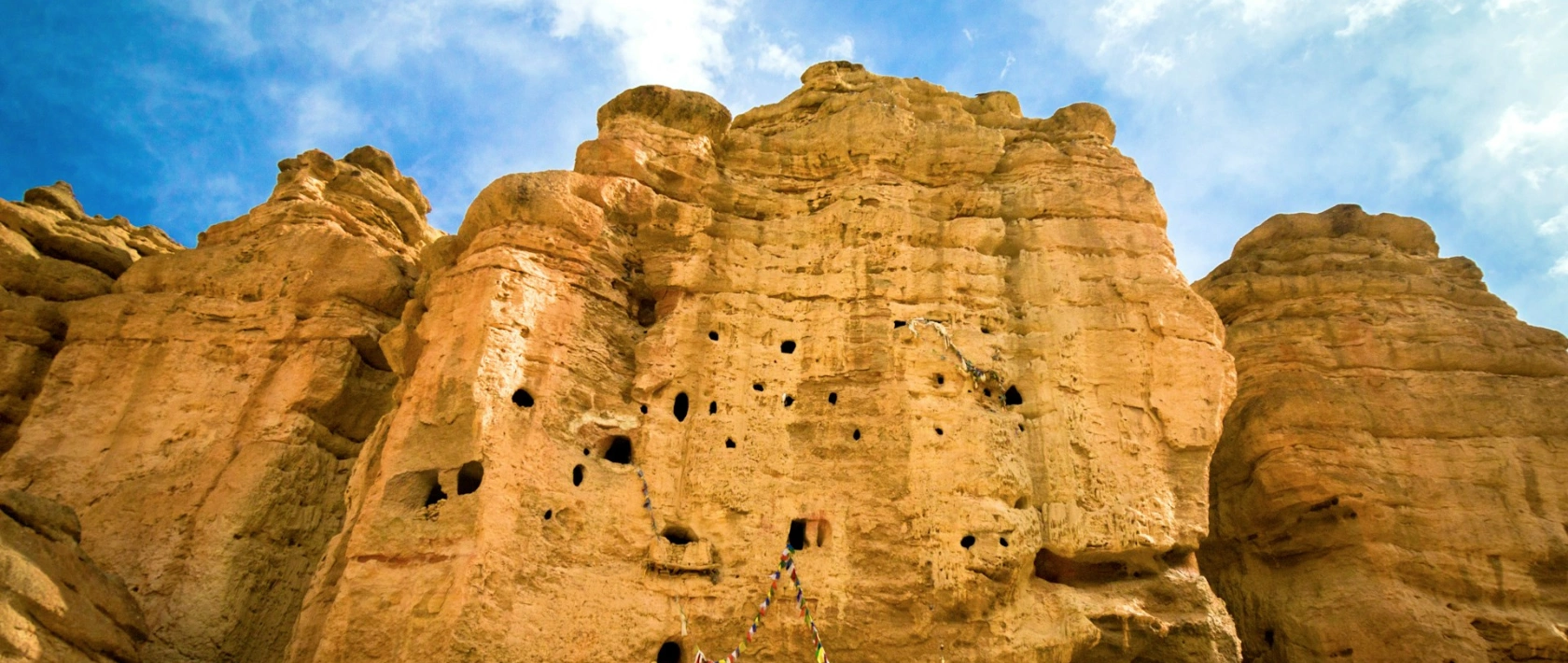
The Upper Mustang Trek is unlike almost any other trekking experience in Nepal. Instead of lush forests and heavily glaciated mountain landscapes, Upper Mustang offers a spectacular high-altitude desert environment shaped by Tibetan culture and centuries of history.
The region is famous for its dramatic cliffs, eroded rock formations, ancient caves,monasteries, traditional villages and the historic walled city of Lo Manthang.
Because Upper Mustang lies in the rain-shadow area of the Himalaya, it can be visited in seasons when many other parts of Nepal receive more rainfall. Autumn, however, remains an excellent period because temperatures and trail conditions are generally favorable.
The trek usually reaches around 3,800–3,840 meters, so altitude still needs to be taken seriously even though the maximum elevation is lower than several other major treks.
Upper Mustang is a restricted area, so foreign trekkers require a special trekking permit arranged through an authorized trekking agency. The current Department of Immigration information lists a premium restricted-area fee for Upper Mustang, so travelers should confirm the latest rate before booking.
Best for: Culture lovers, photographers, history enthusiasts, experienced travelers and anyone searching for an unusual Himalayan landscape.
Autumn Trek Comparison Table
| Trek | Duration | Maximum Altitude | Difficulty | Best For |
| Everest Base Camp | 14–15 Days | 5,364 m | Moderate–Challenging | Iconic Himalayan adventure |
| Gokyo Lakes | 12–14 Days | 4790 m | Moderate–Challenging | Lakes and Everest panoramas |
| Annapurna Base Camp | 7–12 Days | 4,130 m | Moderate | Mountain scenery and shorter holidays |
| Ghorepani–Ghandruk | 5–7 Days | 3,210 m | Easy–Moderate | Beginners and families |
| Annapurna Circuit | 12–18 Days | 5,416 m | Challenging | High-pass adventure |
| Langtang Valley | 7–10 Days | 3,870 m | Moderate | Culture and mountain scenery |
| Langtang–Gosaikunda | 12–15 Days | Around 4,610 m | Challenging | Pass, lake and cultural trekking |
| Mardi Himal | 5–8 Days | Around 4,500 m | Moderate | Short Himalayan adventure |
| Manaslu Circuit | 12–18 Days | 5,106 m | Challenging | Remote trekking |
| Upper Mustang | 10–14 Days | Around 3,840 m | Moderate | Culture and desert landscapes |
Gokyo Ri is a viewpoint above Gokyo Lakes; the exact maximum elevation depends on the itinerary.
September vs October vs November
The three autumn months offer different trekking experiences.
| Month | Weather | Mountain Views | Crowds | Best For |
| September | Generally improving after monsoon; occasional rain possible early | Very good, improving through the month | Moderate | Green landscapes and fewer crowds |
| October | Usually stable, dry and pleasant | Excellent | High | First-time visitors and classic treks |
| November | Cool, dry and crisp | Excellent in clear weather | Moderate | Photography and quieter trails |
September
September marks the transition from monsoon to the main autumn trekking season. Early September can still experience rain in some areas, but conditions generally improve as the month progresses. The countryside remains beautifully green, and the trails can be less crowded than in October.
October
October is usually the most popular month for trekking in Nepal. Weather is generally stable; skies are often clear and daytime temperatures are comfortable. However, popular routes such as Everest Base Camp and Annapurna can become busy.
November
November is cooler, especially in the mornings and evenings, but the air can be extremely clear. It is an excellent month for photographers and trekkers who prefer slightly quieter trails. High-altitude nights can be very cold, so good insulation is essential.
How Much Does an Autumn Trek in Nepal Cost?
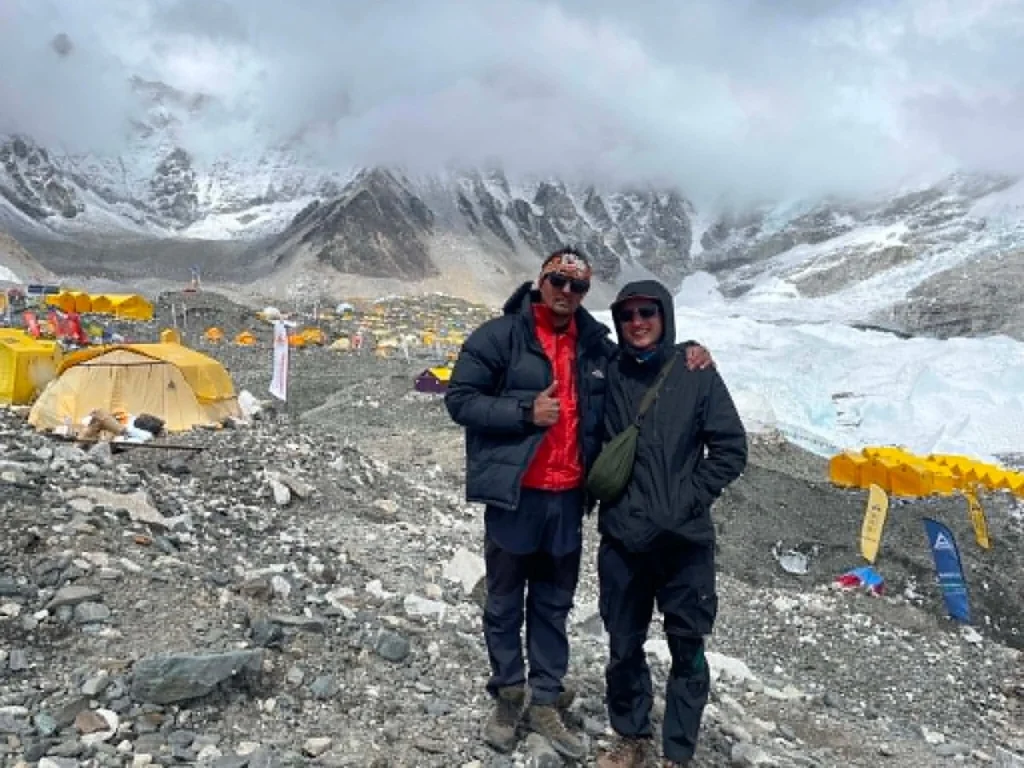
The cost of trekking in Nepal varies considerably depending on the route, number of trekking days, accommodation standard, permits, transportation, guide and porter services, meals and optional upgrades.
As a general planning range, a trek can cost from approximately USD 500 to USD 3,500 or more per person. Shorter routes such as Ghorepani–Ghandruk and Mardi Himal are generally more affordable, while restricted-area routes such as Upper Mustang require significantly higher permit and logistical costs.
| Trek | Estimated Cost | Typical Duration |
| Ghorepani–Ghandruk | USD 500–700 | 5–7 Days |
| Mardi Himal | USD 650–900 | 5–8 Days |
| Langtang Valley | USD 800–1,100 | 7–10 Days |
| Annapurna Base Camp | USD 700–1,200 | 7–13 Days |
| Everest Base Camp | USD 1,300–2,000+ | 14–15 Days |
| Annapurna Circuit | USD 1,050–1,600+ | 12–18 Days |
| Manaslu Circuit | USD 1,050–2,000+ | 12–18 Days |
| Gokyo Lakes | USD 1,250–1,600+ | 12–14 Days |
| Langtang–Gosaikunda | USD 1,150–1,500+ | 12–15 Days |
| Upper Mustang | USD 2,200–3,500+ | 10–14 Days |
Important: These are planning estimates rather than fixed prices. The final cost can change according to the season, group size, transportation, accommodation category, permit fees, guide/porter arrangements and exchange rates.
Which Permits Do You Need for Autumn Trekking in Nepal?
Trekking permits depend on the region and route. Nepal Tourism Board states that trekkers need the relevant TIMS registration and protected-area entry permits, while restricted regions require special trekking permits.
| Trek | Main Permit / Entry Requirements |
| Everest Base Camp | Sagarmatha National Park entry + Khumbu Pasang Lhamu Rural Municipality entry + applicable TIMS |
| Gokyo Lakes | Sagarmatha National Park entry + Khumbu Pasang Lhamu Rural Municipality entry + applicable TIMS |
| Annapurna Base Camp | Annapurna Conservation Area Permit + applicable TIMS |
| Annapurna Circuit | Annapurna Conservation Area Permit + applicable TIMS |
| Ghorepani–Ghandruk | Annapurna Conservation Area Permit + applicable TIMS |
| Mardi Himal | Annapurna Conservation Area Permit + applicable TIMS |
| Langtang Valley | Langtang National Park entry + applicable TIMS |
| Langtang–Gosaikunda | Langtang National Park entry + applicable TIMS |
| Manaslu Circuit | Manaslu Restricted Area Permit + Manaslu Conservation Area Permit + Annapurna Conservation Area Permit + applicable additional permits/TIMS |
| Upper Mustang | Upper Mustang Restricted Area Permit + Annapurna Conservation Area Permit + applicable TIMS |
Please note: Permit requirements and fees can change. For restricted areas, permits are issued through authorized trekking agencies under the current government system. The Department of Immigration confirms that foreigners trekking in designated restricted areas must obtain the required trekking permit.
For a 2026 departure, travelers should always confirm the current permit requirements before finalizing their trek.
What Should You Pack for an Autumn Trek in Nepal?
Autumn normally offers excellent trekking conditions, but temperatures can vary dramatically between lower valleys and high mountain passes. Good packing is therefore essential.
Autumn Trekking Packing Checklist
- Waterproof trekking boots with good grip
- Comfortable trekking shoes or sandals for the evening
- Moisture-wicking base layers
- Thermal underwear
- Fleece or warm mid-layer
- Down or insulated jacket
- Waterproof and windproof jacket
- Trekking trousers
- Warm hat and sun hat
- Gloves
- Neck gaiter or buff
- Sleeping bag
- Sunglasses with UV protection
- Sunscreen, preferably SPF 50+
- 30–40-liter daypack
- Backpack rain cover
- Reusable water bottles or hydration bladder
- Water purification tablets or filter
- Headlamp with spare batteries
- Trekking poles
- Personal first-aid supplies
- Personal medication
- Energy bars and snacks
- Power bank
- Universal charging adapter
- Passport and copies of important documents
- Travel insurance details
- Permits and emergency contact information
- Sufficient Nepalese cash for remote areas
If you are trekking above 3,500 meters, prioritize warm layers because temperatures can fall below freezing at night. Packing light is important, but do not sacrifice essential safety and cold-weather equipment.
How Can You Stay Safe at High Altitude?
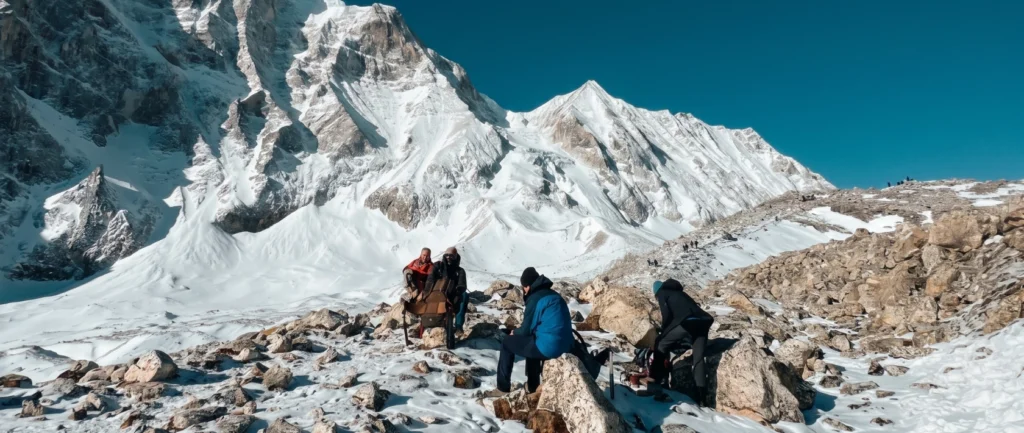
High-altitude trekking is one of the most rewarding experiences in Nepal, but altitude should always be taken seriously.
Prevent Altitude Sickness
Altitude sickness can affect anyone regardless of age, fitness or previous trekking experience. The most important preventive measure is gradual acclimatization.
Avoid gaining altitude too quickly, drink enough fluids, eat properly and listen to your body. If you develop symptoms such as headache, dizziness, unusual tiredness, nausea or difficulty sleeping, inform your guide immediately.
Nepal Tourism Board specifically warns that Acute Mountain Sickness can develop above approximately 3,000 meters and can become serious.
Weather Awareness
Mountain weather can change quickly. Always check the forecast and listen to your guide’s advice. Carry rain protection even during autumn, particularly in September.
Trekking Insurance
Travel insurance should cover high-altitude trekking and emergency helicopter evacuation where applicable. Always check the policy’s maximum altitude and activity exclusions before travelling.
Emergency Rescue
In a genuine emergency, evacuation may be required. A reputable trekking agency and guide should have an emergency communication and evacuation plan.
Walk at a Comfortable Pace
Do not compete with other trekkers. A slow and steady pace is usually better at altitude.
Stay Hydrated and Well Fed
Drink regularly and eat enough calories throughout the day. Appetite can decrease at altitude, but your body still requires energy.
Expert Tips from Local Trekking Guides
Experienced local guides can make a significant difference to your Himalayan trekking experience.
A good guide does more than lead the way. They understand local weather patterns, trail conditions, mountain culture, accommodation options and the signs of altitude-related problems.
Tips from Experienced Desire Adventures Guides
- Start slowly. Especially during the first few days, allow your body to adapt rather than trying to walk too fast.
- Take acclimatization seriously. Rest days are not wasted days. They help your body adjust to higher elevations.
- Respect local culture. Ask permission before photographing people, monasteries or religious ceremonies.
- Drink regularly. Carry your own reusable water bottle and refill it whenever possible.
- Keep your valuables secure. Carry your passport, money and important documents safely.
- Prepare for changing weather. Keep a waterproof jacket and warm layer easily accessible.
- Listen to your guide. Local guides often know conditions on the trail better than online forecasts.
- Enjoy the journey, not only the destination. Himalayan trekking is about villages, people, landscapes, wildlife, food, culture and friendships not simply reaching a particular altitude.
Expert Tips from Local Trekking Guides
Experienced local guides can make a significant difference to your Himalayan trekking experience.
A good guide does more than lead the way. They understand local weather patterns, trail conditions, mountain culture, accommodation options and the signs of altitude-related problems.
When Should You Book an Autumn Trek?
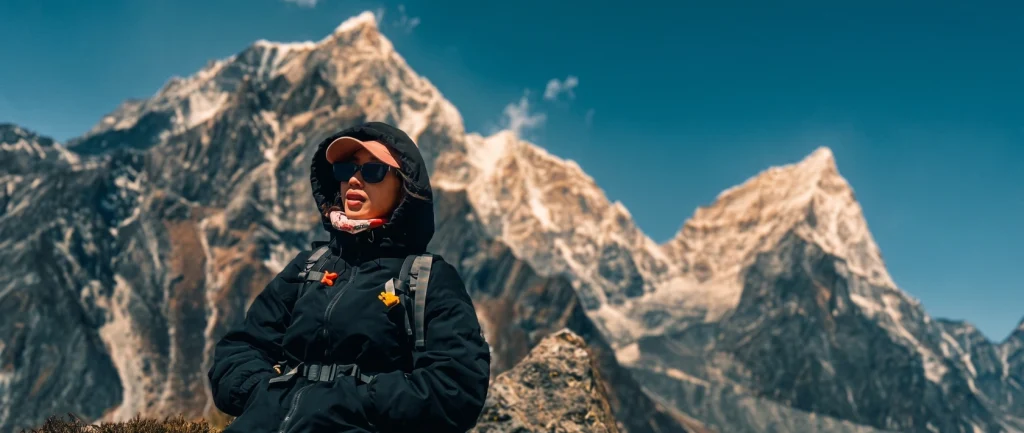
Because autumn is the busiest trekking season, especially October, early planning is recommended.
For popular routes such as Everest Base Camp, Gokyo Lakes and Annapurna Base Camp, booking accommodation and transportation in advance can make your trip more comfortable.
Restricted-area treks such as Manaslu and Upper Mustang require additional permit arrangements, so travelers should allow enough time for documentation and itinerary preparation.
If you are travelling in a private group, booking early also gives you greater flexibility regarding accommodation standards, guide selection, transportation and itinerary customization.
For travelers planning to trek in September, October or November, we generally recommend starting the planning process several months in advance.
Plan Your Autumn Trek with Desire Adventures Pvt. Ltd.
Planning a Himalayan trek is much easier when you have an experienced local team to manage the logistics.
At Desire Adventures Pvt. Ltd., we organize customized trekking experiences throughout Nepal, from short and comfortable Himalayan walks to challenging high-altitude adventures.
Our trekking services can include:
- Airport pickup and transportation
- Trekking permits and documentation
- Licensed English-speaking local guides
- Experienced porters
- Accommodation arrangements
- Meals according to the selected package
- Domestic transportation
- Trekking maps and route planning
- First-aid support
- Emergency assistance
- Flexible private trekking arrangements
- Customized itineraries
- Optional accommodation upgrades
- Pre-trek briefing and preparation support
Our goal is not simply to take you from one destination to another. We want you to experience Nepal’s mountains, people, culture and natural beauty safely and comfortably.
Whether you are considering Everest Base Camp, Gokyo Lakes, Annapurna Base Camp, Annapurna Circuit, Langtang, Mardi Himal, Manaslu or Upper Mustang, our local team can help you choose an itinerary that matches your available time, fitness level and travel interests.
Best Autumn Treks in Nepal – Frequently Asked Questions
1. What is the best autumn trek in Nepal?
There is no single best trek for everyone. Everest Base Camp is ideal for an iconic Himalayan experience, Annapurna Base Camp is excellent for a shorter mountain adventure, Manaslu is ideal for remote trekking, and Ghorepani–Ghandruk is particularly suitable for beginners and families.
2. Why is autumn the best season for trekking in Nepal?
Autumn generally offers stable weather, clearer skies, comfortable daytime temperatures and excellent Himalayan visibility. October and November are particularly popular.
3. What are the most scenic autumn treks in Nepal?
Everest Base Camp, Gokyo Lakes, Annapurna Base Camp, Annapurna Circuit, Manaslu Circuit and Mardi Himal are among the most scenic options.
4. Which autumn trek in Nepal is best for beginners?
Ghorepani–Ghandruk is one of the best choices for beginners because it has a moderate maximum altitude and shorter duration. Langtang Valley can also be a good option for fit beginners.
5. What is the best month for autumn trekking?
October is generally the most popular month because of stable weather and excellent mountain visibility. November can be ideal for travelers who prefer cooler temperatures and somewhat quieter trails.
6. Do I need a guide for an autumn trek in Nepal?
Requirements depend on the trekking area and current regulations. Restricted areas require special permits and authorized arrangements. Nepal Tourism Board also maintains current information regarding TIMS and trekking requirements.
7. How much does an autumn trek in Nepal cost?
A typical autumn trek can range from around USD 500 for shorter routes to USD 3,500 or more for premium or restricted-area adventures. The final price depends on duration, permits, transportation, accommodation and services.
8. What gear is needed for an autumn trek?
Essential equipment includes good trekking boots, warm layers, waterproof clothing, a sleeping bag appropriate for the trek, trekking poles, sunglasses, sunscreen, water purification equipment, a headlamp, personal medication and a suitable backpack.
9. Where can I book an autumn trekking package in Nepal?
You can arrange your trek directly with a registered trekking agency like Desire Adventures in Nepal. A local agency can assist with permits, transportation, guides, accommodation, itinerary planning and emergency support.
10. Which high-altitude trek is best in Nepal during autumn?
Everest Base Camp, Gokyo Lakes, Annapurna Circuit and Manaslu Circuit are excellent high-altitude autumn options. Your choice should depend on your fitness, previous experience, available time and preferred type of scenery.
Final Thoughts: Which Autumn Trek Should You Choose?
Autumn is one of the finest times of year to explore Nepal’s Himalayas. The mountains become clearer, the trails are generally in excellent condition, local villages are active with trekkers and the landscape offers some of the best photographic opportunities of the year.
If you want the iconic Himalayan experience, choose Everest Base Camp.
If you want glacial lakes and spectacular panoramas, consider Gokyo Lakes.
If you have limited time, Mardi Himal or Ghorepani–Ghandruk may be ideal.
If you want classic mountain scenery, Annapurna Base Camp is an excellent choice.
If you want a long and challenging adventure, consider Annapurna Circuit or Manaslu Circuit.
If you want remote landscapes and cultural immersion, Manaslu Circuit is an outstanding option.
If you are interested in ancient Tibetan culture and dramatic desert landscapes, Upper Mustang offers something completely different.
And if you want to combine culture, mountains, forests, lakes and a high mountain pass, the Langtang–Gosaikunda trek is an excellent option.
The most important thing is to choose a trek that matches your physical preparation, available time and personal interests. With proper planning, a reliable local guide and suitable equipment, an autumn trek in Nepal can become one of the most memorable journeys of your life.
Ready to explore Nepal this autumn? Contact Desire Adventures Pvt. Ltd. and let our experienced local trekking team help you design your perfect Himalayan adventure.
