
The Everest Base Camp (EBC) Trek is one of the world’s most popular trekking adventures, attracting thousands of travelers to Nepal every year. Hiking through traditional Sherpa villages, crossing so many suspension bridges including suspension Hillary bridge, visiting beautiful and historical monasteries in Phakding, Tangboche and Pangboche, and standing beneath the world’s highest mountain is a dream for many outdoor enthusiasts. Before planning this adventure journey, one of the first questions most travelers ask is: “How much does the Everest Base Camp Trek cost?”
The answer depends on several factors, including your travel style, the trekking company you choose, the season, group size, and whether you prefer a normal, standard or luxury experience. On average, the total cost of the Everest Base Camp Trek ranges from USD 1250 to USD 3,500 per person for an all-inclusive guided package. Budget travelers can complete the trek for less by arranging everything independently, while luxury trekkers can spend considerably more on premium lodges, helicopter flights, and personalized services.
Besides the package price, it’s important to consider additional expenses such as permits, flights to Lukla, meals, accommodation, guide and porter fees, travel insurance, trekking gear, Wi-Fi, charging electronic devices, hot showers, and personal spending money. Understanding these costs in advance helps you plan a realistic budget and avoid unexpected expenses during your adventure.
Everest Base Camp Trek Cost Breakdown
Understanding where your money goes is one of the best ways to plan your Everest Base Camp adventure. While the total price may seem significant at first, it covers many essential services that make your trek safe, comfortable, and well-organized.
The largest portion of your budget is usually spent on domestic flights between Kathmandu (or Ramechhap during peak seasons) and Lukla, followed by accommodation and meals during the trek. Sagarmatha National Park Permit and Khumbu Pasang Lhamu Rural Municipality Permit are another mandatory expense required by the Nepalese authorities. If you hire a guide and porter, their daily wages, Their salary, food, accommodation, transportation, and insurance are also included in the overall package price.
Other expenses include trekking gear, travel insurance that covers high-altitude trekking and emergency helicopter evacuation, drinking water, snacks, charging electronic devices, hot showers, Wi-Fi, and personal purchases such as souvenirs or extra drinks. These smaller costs can add up over the course of the trek if they are not included in your package.
By understanding each expense in advance, you can compare trekking packages more effectively and choose one that matches both your travel style and your budget. A transparent pricing structure also helps you avoid hidden costs once you arrive in Nepal.
Everest Base Camp Trek Package Cost Comparison
Not all Everest Base Camp trekking packages offer the same value. While comparing prices is important, it’s equally essential to compare what is actually included in each package. A lower price may seem attractive, but it could exclude important services that you’ll eventually need to pay for separately.
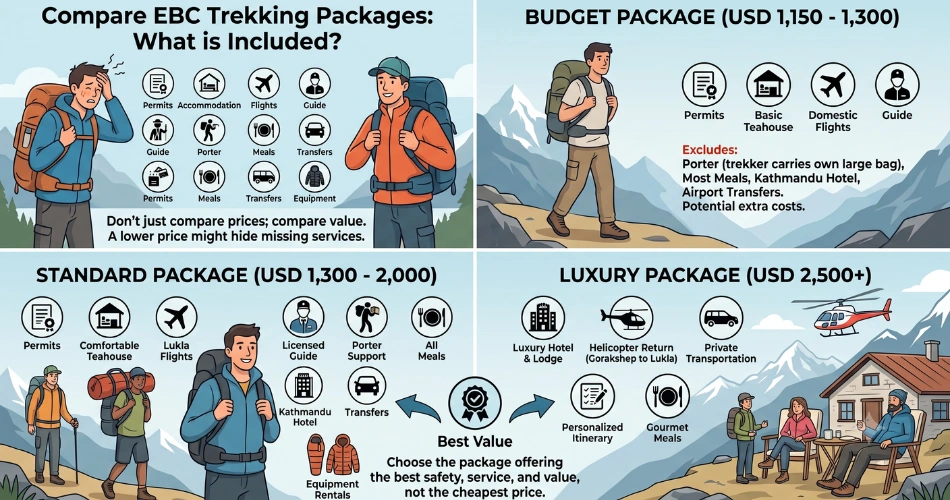
Budget packages generally range from USD 1150 to USD 1,300 and usually include permits, basic teahouse accommodation, domestic flights, and guide services. However, some budget operators may exclude porter services, meals, airport transfers, or Kathmandu accommodation, resulting in additional expenses during your trip.
Standard packages, typically priced between USD 1,300 and USD 2,000, provide a more complete experience. They commonly include airport pick-up and drop-off, Kathmandu hotel accommodation, Lukla flights, permits, all meals during the trek, licensed guides, porter support, accommodation, and basic trekking equipment for (rental basis) such as sleeping bags, down jacket and duffel bags.
Luxury packages start from around USD 2,500 and can exceed USD 4,500 depending on the services offered. These trips often feature luxury hotels, luxury mountain lodges, helicopter returns to Lukla from Gorakshep, private transportation, and personalized itineraries. Rather than choosing the cheapest package, focus on finding the one that offers the best combination of safety, service, and overall value.
Everest Base Camp Trek Cost Per Day
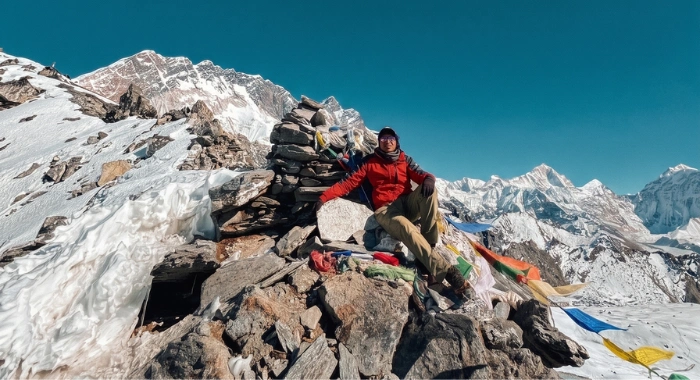
The daily cost of the Everest Base Camp Trek depends on whether you are trekking independently or as part of an organized package. On average, trekkers spend between USD 100 and USD 180 per day on a standard guided trek, while luxury trekkers may spend USD 250 or more per day.
This daily budget generally covers accommodation, breakfast, lunch, dinner, guide and porter services, permits, and transportation costs spread across the entire trip. However, personal expenses such as bottled water, hot showers, Wi-Fi, charging electronic devices, snacks, soft drinks, alcoholic beverages, and tips are often not included unless specifically mentioned in your package.
If you are trekking independently, daily expenses can vary significantly depending on your choices. While basic teahouse accommodation may be inexpensive, the cost of food, drinks, and other services increases steadily with altitude because every item must be transported by porters, yaks, or helicopters. As a result, a meal in Gorakshep costs considerably more than the same meal in Lukla.
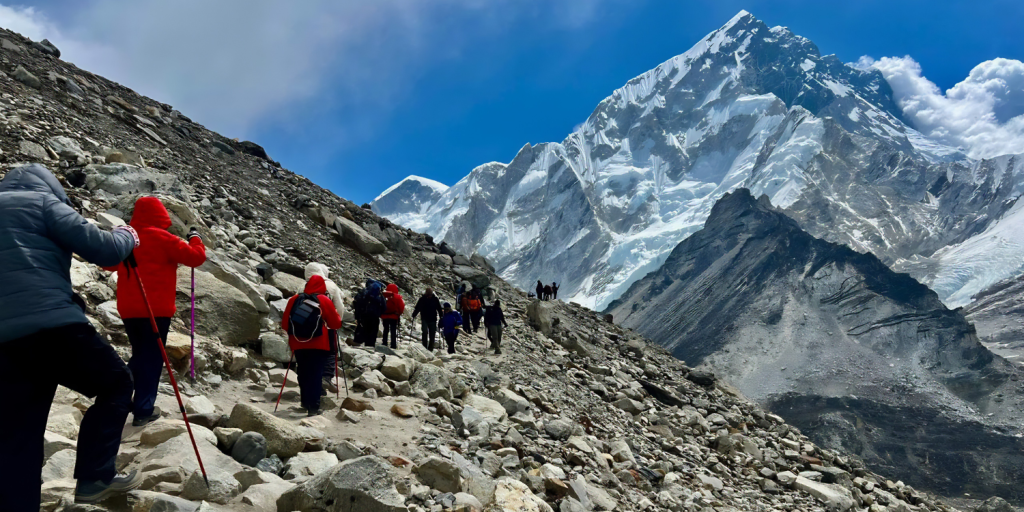
Planning your daily budget in advance helps ensure a smoother journey and allows you to enjoy the trek without worrying about unexpected expenses. A little extra cash for personal spending is always recommended, especially in the higher villages where prices are naturally higher.
Cost of Permits for the Everest Base Camp Trek
Every trekker visiting the Everest region is required to obtain the necessary permits before beginning the Everest Base Camp Trek. These permits are mandatory and help support conservation efforts, trail maintenance, local community development, and visitor management within the Khumbu region. Fortunately, most guided trekking packages include all required permits in the overall price, making the process simple and hassle-free.
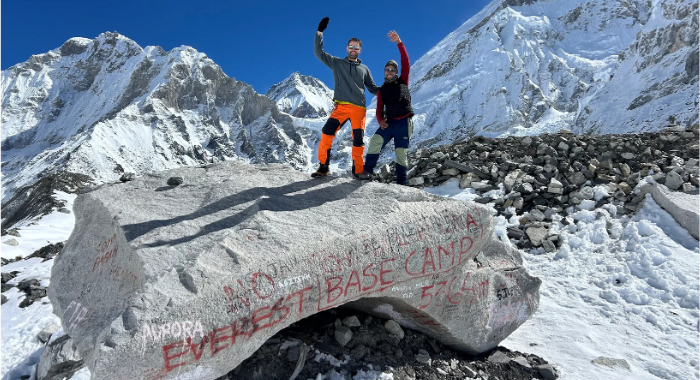
For the standard Everest Base Camp route, you’ll need two permits: the Sagarmatha National Park Entry Permit and the Khumbu Pasang Lhamu Rural Municipality Entrance Permit. Together, these permits typically cost around NPR 6,000 (approximately USD 45–50) for foreign nationals. If your trek starts from Jiri or Salleri instead of Lukla, you may also need an additional permit for the lower Everest region.
When booking with a licensed trekking company, the agency usually arranges all permits on your behalf, ensuring that everything is ready before your trek begins. Independent trekkers must obtain these permits themselves at the appropriate checkpoints or permit offices. While the permit cost represents only a small portion of your total trekking budget, it is an essential expense that cannot be avoided.
Always carry your permits with you throughout the trek, as they are checked at several entry points along the trail. Having the correct documentation ensures a smooth and uninterrupted journey to Everest Base Camp.
Cost of Transportation to Lukla
Transportation is one of the most significant expenses when planning the Everest Base Camp Trek. Since there are no roads connecting Kathmandu directly to Lukla, most trekkers begin their journey with a scenic domestic flight to Tenzing-Hillary Airport in Lukla, one of the world’s most famous mountain airports.
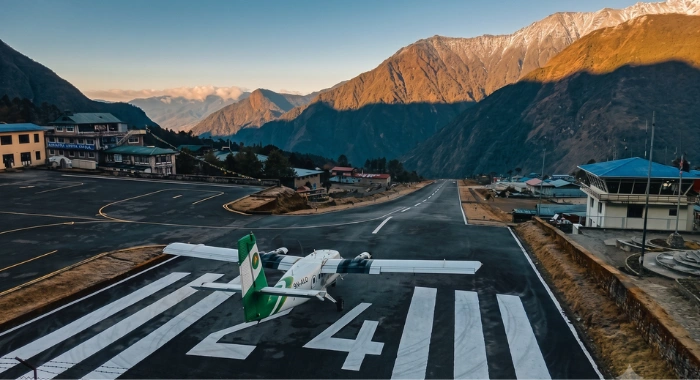
A round-trip flight between Kathmandu and Lukla generally costs USD 420 to USD 510 per person for foreigners, depending on the airline and season. During the busy trekking seasons of spring (March to May) and autumn (late September to November), most Lukla flights operate from Ramechhap Airport instead of Kathmandu due to air traffic congestion. In this case, trekkers also need to travel about four to five hours by road from Kathmandu to Ramechhap before catching their early morning flight from Ramechhap.
Many trekking companies include airport transfers and transportation to Ramechhap in their packages, while others may charge separately. Some travelers also choose to upgrade their return journey with a helicopter flight from Gorakshep or Lukla, which offers spectacular Himalayan views and saves several days of trekking. Although considerably more expensive, a helicopter return is an attractive option for those with limited time or anyone seeking a more comfortable finish to their adventure.
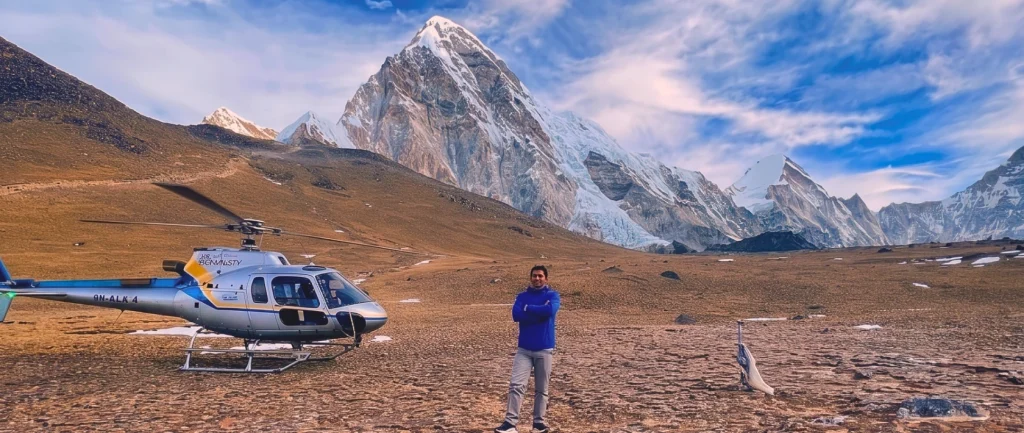
Whether you fly both ways or combine trekking with a helicopter return, transportation is an important part of your Everest Base Camp budget and should be planned well in advance, especially during peak trekking seasons.
Cost of Accommodation During the Everest Base Camp Trek
Accommodation on the Everest Base Camp Trek is normally provided by traditional teahouses, which are simple mountain lodges operated by local Sherpa families. These lodges offer a warm place to rest after a long day of trekking while giving visitors the opportunity to experience the unique hospitality and culture of the Khumbu region.
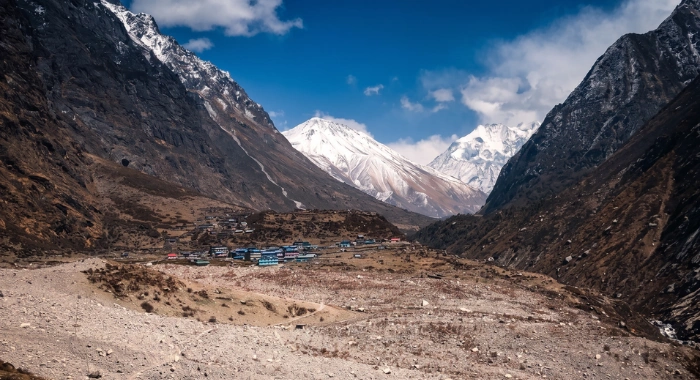
The cost of accommodation varies depending on the village, season, and standard of the lodge. In the lower villages, rooms generally cost between USD 10 and USD 20 per night, while prices increase at higher elevations where supplies become more expensive to transport. Basic rooms usually feature twin beds, mattresses, pillows, and blankets, while bathrooms may be shared. Attached bathrooms are available in selected villages such as Lukla, Phakding, and Namche Bazaar, but they become increasingly rare as you climb higher.
Most trekking packages include accommodation throughout the trek, allowing travelers to avoid paying separately each night. However, independent trekkers should budget for lodging, especially during the busy spring and autumn seasons when popular teahouses can fill quickly.
Although the accommodation is simple compared to city hotels, it offers everything needed for a comfortable night’s sleep in the mountains. The welcoming atmosphere, cozy dining halls, and breathtaking Himalayan surroundings often become some of the most memorable parts of the Everest Base Camp experience.
Cost of Meals on the Everest Base Camp Trek
Food is one of the most important daily expenses during the Everest Base Camp Trek. Since all ingredients must be transported into the mountains by porters, yaks, Mules or helicopters, meal prices gradually increase as you gain altitude. Despite the higher cost, teahouses serve a surprisingly wide variety of freshly prepared meals to keep trekkers energized throughout the journey.
Most trekkers spend approximately USD 40 to USD 50 per day on food if meals are not included in their trekking package. Breakfast options typically include porridge, eggs, pancakes, toast, Tibetan bread, muesli, and tea or coffee. Lunch and dinner menus often feature dal bhat, fried rice, noodles, pasta, soups, potatoes, momos, and seasonal vegetables. Among these, dal bhat is the most popular choice because it is nutritious, filling, and usually comes with unlimited refills at many teahouses.
Many organized trekking packages include three meals a day, making it easier to manage your budget and avoid carrying extra cash. Snacks, desserts, soft drinks, chocolate bars, and imported beverages are usually charged separately and become more expensive at higher elevations.
Eating nutritious meals and drinking plenty of fluids are essential for maintaining energy and supporting acclimatization. While it may be tempting to save money by eating less, proper nutrition plays a vital role in ensuring a safe and enjoyable trekking experience.
Cost of Drinking Water on the Everest Base Camp Trek
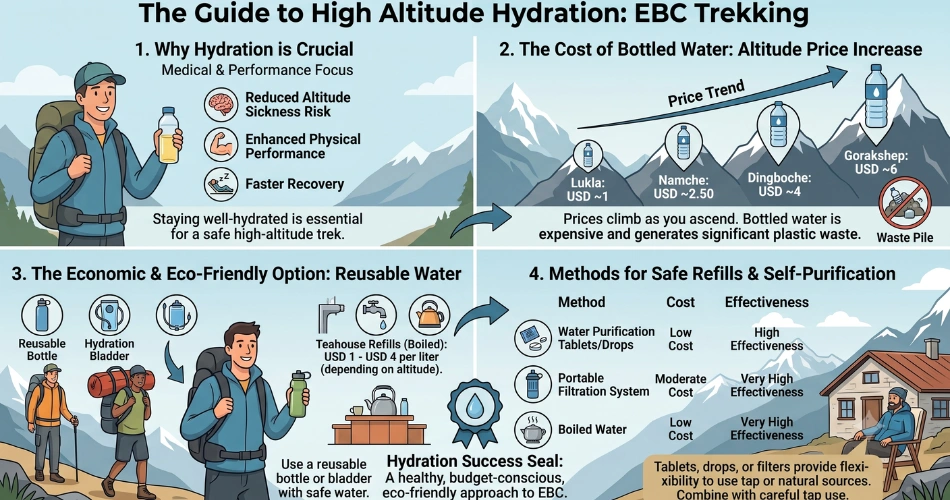
Staying well hydrated is one of the most important aspects of trekking safely at high altitude. Proper hydration helps reduce the risk of altitude sickness, supports physical performance, and aids recovery after long days on the trail. Because of this, every trekker should include drinking water costs in their overall Everest Base Camp budget.
Bottled mineral water is available at most teahouses, but prices increase significantly with altitude. A one-liter bottle that costs around USD 1 in Lukla may cost USD 4 to USD 6 by the time you reach Gorakshep. Purchasing bottled water throughout the trek can become both expensive and environmentally harmful due to the amount of plastic waste it creates.
A more economical and eco-friendly option is to carry a reusable water bottle or hydration bladder and refill it with boiled or filtered water at teahouses. Boiled drinking water generally costs USD 1 to USD 4 per liter, depending on the altitude. Many trekkers also bring water purification tablets, chlorine drops, or portable filtration systems, allowing them to safely refill water from taps or natural sources along the route while reducing daily expenses.
Choosing reusable bottles instead of single-use plastic not only saves money but also helps protect the fragile Himalayan environment. It’s a simple choice that benefits both your budget and the mountains you’ll be exploring.
Cost of Hiring a Trekking Guide
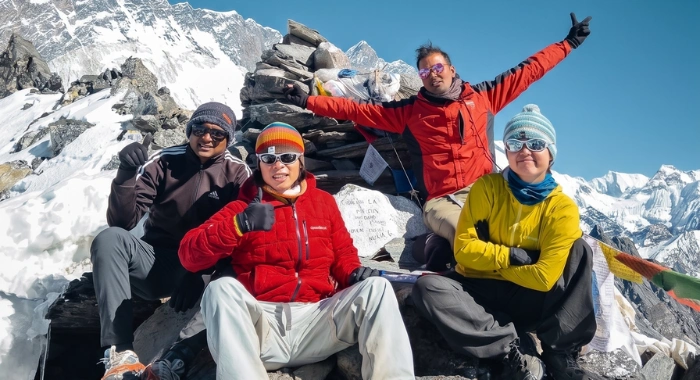
Hiring a licensed trekking guide is one of the best investments you can make when trekking to Everest Base Camp. While it adds to the overall cost of your trip, the value a knowledgeable guide provides goes far beyond simply showing you the way. A professional guide ensures your safety, helps you acclimatize properly, monitors your health at high altitude, arranges accommodation, communicates with local teahouse owners, and shares fascinating insights into the Sherpa culture, history, and the Himalayan environment.
The cost of hiring a licensed English-speaking guide generally ranges from USD 30 to USD 40 per day, depending on their experience, language skills, and the trekking season. This daily rate often includes the guide’s salary, meals, accommodation, transportation, and insurance. If you book through a reputable trekking company, these costs are usually included in the package price, so you won’t need to arrange them separately.
Following recent trekking regulations in Nepal, hiring a licensed guide is strongly recommended and required in many trekking regions. Beyond ensuring compliance with local regulations, a guide provides reassurance and expert support in case of altitude sickness, changing weather, or unexpected situations. Their local knowledge can transform your trek into a richer, safer, and far more enjoyable experience.
Cost of Hiring a Porter
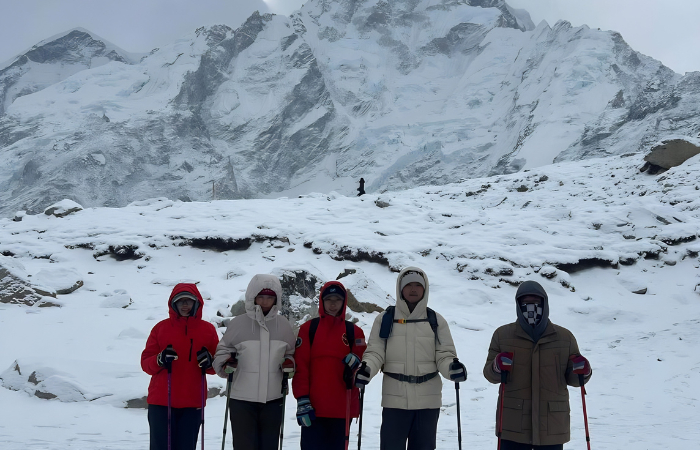
Although hiring a porter is optional, many trekkers consider it one of the best decisions they make during the Everest Base Camp Trek. Walking for nearly two weeks at high altitude is physically demanding, and carrying a heavy backpack can make the journey even more exhausting. A porter allows you to trek comfortably with just a small daypack, leaving you free to enjoy the spectacular scenery without unnecessary strain.
A porter generally costs between USD 25 and USD 30 per day, depending on the trekking company, season, and the level of service provided. One porter usually carries up to 25 kilograms, which is commonly shared between two trekkers. This means each person is typically allowed to pack around 10-12 kilograms in the duffel bag carried by the porter.
When booking with a professional trekking agency, the porter’s wages, meals, accommodation, transportation, and insurance are generally included in the package price. Choosing a responsible company also ensures that porters receive fair wages, proper equipment, and safe working conditions.
Hiring a porter is not simply about convenience, it also supports the local economy by creating employment opportunities for people living in the Everest region. At the end of your trek, it is customary to offer a tip as a gesture of appreciation for their hard work and dedication.
Cost of Trekking Equipment and Gear
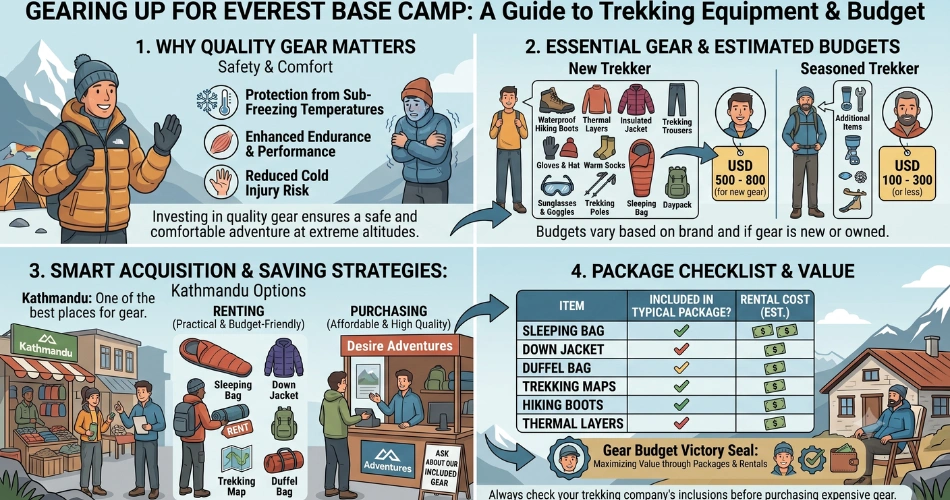
Having the right trekking equipment is essential for a safe and comfortable Everest Base Camp adventure. While you don’t need to purchase the most expensive gear, investing in quality clothing and equipment will make a significant difference, particularly at higher elevations where temperatures can drop well below freezing.
If you already own hiking gear, your additional expenses may be minimal. However, first-time trekkers should expect to spend approximately USD 500 to USD 800 on essential equipment, depending on the brands and quality they choose. Necessary items include waterproof hiking boots, thermal base layers, insulated jackets, trekking trousers, gloves, hats, warm socks, sunglasses, trekking poles, a sleeping bag, and a daypack.
Fortunately, Kathmandu is one of the best places in the world to rent or purchase trekking gear at affordable prices. Many trekking companies, including Desire Adventures, also provide equipment such as sleeping bags, down jacket, duffel bags, and trekking maps as part of their packages, helping travelers reduce unnecessary costs.
Before purchasing expensive gear, check what is already included in your trekking package. Renting certain items can be a practical and budget-friendly option, especially if you don’t plan to trek regularly in the future.
Cost of Travel Insurance
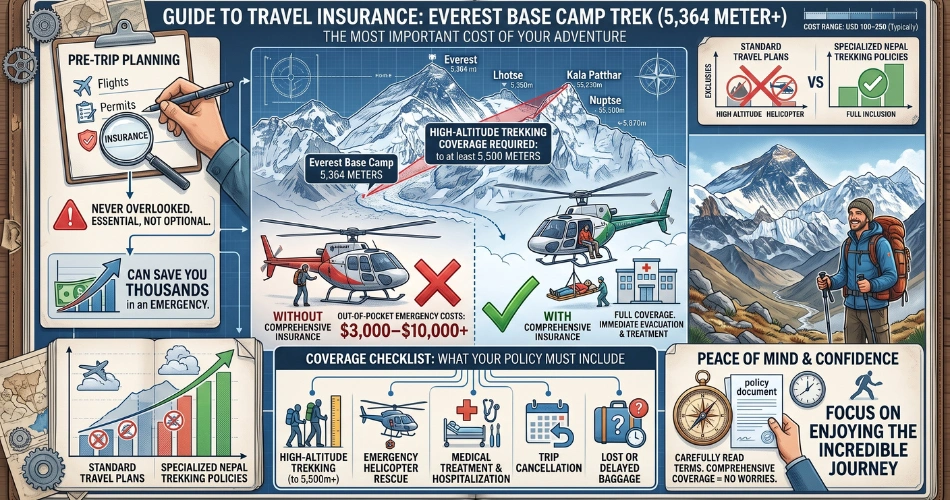
Travel insurance is one expense that should never be overlooked when planning the Everest Base Camp Trek. Although it may seem like an additional cost before your trip, it can save you thousands of dollars in the event of an emergency. The Everest region reaches elevations above 5,364 meters, where altitude sickness and unpredictable weather can occasionally require immediate medical assistance or helicopter evacuation.
The cost of travel insurance typically ranges between USD 100 and USD 250, depending on your age, nationality, trip duration, and coverage. Most importantly, your policy should specifically cover high-altitude trekking up to at least 5,500 meters, as well as emergency helicopter rescue, medical treatment, hospitalization, trip cancellation, and lost or delayed baggage.
Before purchasing a policy, carefully read the terms and conditions to ensure trekking in Nepal is fully covered. Some standard travel insurance plans exclude high-altitude activities, which could leave you responsible for expensive emergency costs.
While it’s something you hope never to use, comprehensive travel insurance provides peace of mind throughout your adventure. Knowing you’re protected allows you to focus on enjoying the incredible journey to Everest Base Camp with confidence.
Additional Expenses to Consider
When planning your Everest Base Camp Trek budget, it’s important to set aside some money for personal expenses that are not included in most trekking packages. While these costs may seem small individually, they can add up throughout your journey.
Common personal expenses include Wi-Fi, charging electronic devices, hot showers, snacks, soft drinks, bottled water, bakery items, laundry services, souvenirs, alcoholic beverages, and tips for your guide and porter.
Wi-Fi & Charging:
Most teahouses along the trail offer Wi-Fi and charging facilities for an additional fee. Up to Namche Bazaar, many lodges provide their own Wi-Fi service. Beyond Namche, internet access is mainly provided through the Everest Link wireless network, which is operated by local lodges. To use this service, you will need to purchase an Everest Link Wi-Fi card, which is available in different data packages, including 10 GB and 20 GB options. Charging electronic devices is also available at most teahouses, but the cost generally increases as you gain altitude.
Hot Showers:
Hot showers are available at most teahouses for an additional charge, and the price gradually increases at higher elevations due to the limited availability of fuel and water. However, we do not recommend taking a hot shower above Dingboche (4,410 m/14,469 ft). Although a warm shower may feel refreshing, the rapid change in body temperature afterward can make you feel much colder once you step outside. This may increase your discomfort and, in some cases, contribute to headaches or make it more difficult for your body to adjust to the high altitude. To reduce the risk of getting chilled, many experienced trekkers choose to avoid showers during the final days of the trek and instead use wet wipes or a small towel for basic personal hygiene.
We recommend carrying some extra cash (Nepali Rupees) to cover these personal expenses, as card payment facilities are very limited and may not be available in the higher mountain villages. Budgeting for these additional costs in advance will help ensure a more comfortable and enjoyable trekking experience.
Many trekkers also enjoy relaxing with coffee, desserts, or chocolate after a long day of hiking, and these treats naturally cost more in remote mountain villages. Carrying enough cash is essential, as there are very few reliable ATMs beyond Namche Bazaar, and credit cards are rarely accepted along the trekking route.
As a general guideline, budgeting an additional USD 200 to USD 300 for personal expenses provides a comfortable cushion for most trekkers. Having some extra cash ensures you can enjoy the journey without worrying about unexpected costs.
How to Save Money on the Everest Base Camp Trek
Trekking to Everest Base Camp doesn’t have to break the bank. With careful planning and smart decisions, you can significantly reduce your overall expenses while still enjoying an unforgettable Himalayan adventure. The key is to focus on value rather than simply choosing the cheapest option.
One of the easiest ways to save money is by booking your trek with a reputable local trekking company like, Desire Adventures instead of an overseas travel agency. Local operators often provide the same high-quality services at more competitive prices because there are no middlemen involved. Traveling in a small group is another excellent way to reduce costs, as transportation, guide, and porter expenses can be shared among participants.
Packing wisely can also help you avoid unnecessary expenses. Bringing essential trekking gear from home or renting equipment in Kathmandu is usually much cheaper than purchasing everything new. Carrying a reusable water bottle with purification tablets or a portable water filter can save hundreds of dollars while reducing plastic waste in the mountains.
During the trek, choose local meals like Dal Bhat, which are nutritious, filling, and often come with free refills. Limiting purchases such as bottled drinks, alcoholic beverages, snacks, and unnecessary souvenirs will also help keep your budget under control.
Finally, book your trip well in advance, especially if you’re planning to trek during the busy spring or autumn seasons. Early booking often provides better flight availability, more accommodation choices, and access to seasonal discounts offered by Desire Adventures.
Is the Everest Base Camp Trek Worth the Cost?
For many travelers, the Everest Base Camp (EBC) Trek is more than just a holiday, it’s a long-life memorial. While the total cost may seem significant, the memories, personal achievements, and breathtaking landscapes make it one of the most rewarding adventures in the world.
The trek takes you through the heart of the Khumbu region, where you’ll walk beneath towering snow-capped peaks, cross suspension bridges draped with colorful prayer flags, visit ancient Buddhist monasteries, and experience the warm hospitality of the Sherpa people. Every day brings new scenery, from lush forests and rushing rivers to glaciers and the dramatic landscapes surrounding Mount Everest.
Beyond the spectacular views, the trek is also a personal journey. Reaching Everest Base Camp at 5,364 meters (17,598 feet) requires determination, patience, and perseverance. Standing at the foot of the world’s highest mountain after days of trekking creates a sense of accomplishment that few other adventures can match.
When you compare the experience to many other international adventure holidays, the Everest Base Camp Trek offers outstanding value. You’re not simply paying for transportation and accommodation, you’re investing in an unforgettable journey filled with natural beauty, cultural discovery, and lifelong memories that will stay with you forever.
Why Choose Desire Adventures for Your Everest Base Camp Trek?
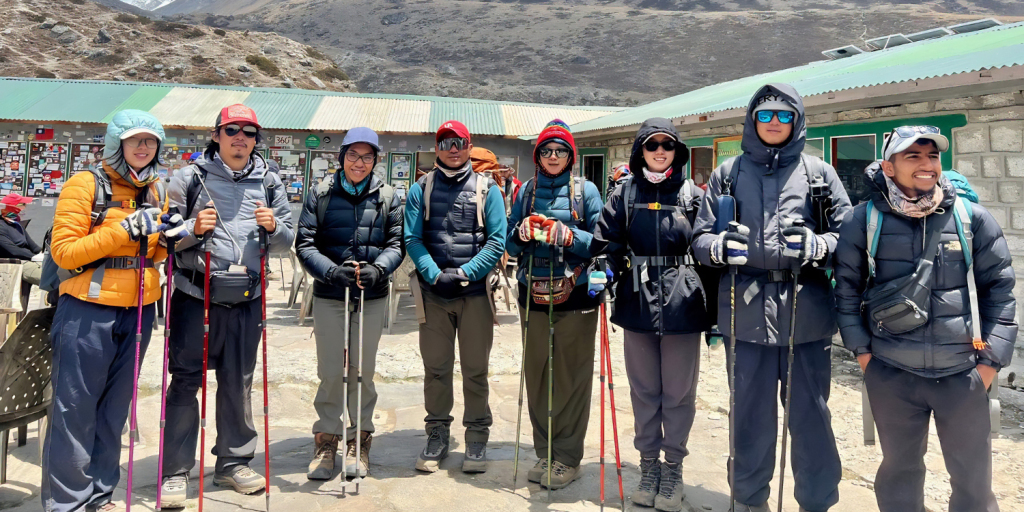
Choosing the right trekking company is just as important as choosing the right itinerary. At Desire Adventures, we believe every trekker deserves a safe, enjoyable, and memorable experience in the Himalayas. With years of experience organizing treks & tour throughout Nepal, Bhutan, and Tibet our dedicated team is committed to providing exceptional service from the moment you arrive until your journey comes to an end.
Our Everest Base Camp Trek packages are thoughtfully designed to include everything you need for a comfortable and worry-free adventure. We provide experienced, government-licensed trekking guides who prioritize your safety and proper acclimatization, along with friendly and hardworking porters who make your journey more enjoyable. We also arrange all necessary permits, domestic flights, airport transfers, comfortable accommodation, nutritious meals during the trek, and 24/7 support throughout your trip.
Unlike many large international companies, we are a locally owned and operated trekking company based in Nepal. By booking with us, you’re not only receiving personalized service and competitive prices but also directly supporting local guides, porters, teahouse owners, and mountain communities.
Whether you’re traveling solo, with friends, as a couple, or in a private group, we tailor every journey to suit your interests, fitness level, and travel style. Our goal isn’t simply to help you reach Everest Base Camp, it’s to ensure every step of the journey becomes a cherished memory.
When you trek with Desire Adventures, you’re treated like family, and your adventure becomes our responsibility.
Frequently Asked Questions (FAQs)
How much does the Everest Base Camp Trek cost?
The average cost of an all-inclusive Everest Base Camp Trek ranges from USD 1,250 to USD 3,500 per person, depending on the itinerary, group size, level of comfort, and services included. Luxury packages with helicopter returns and premium lodges can cost even more.
Can I trek to Everest Base Camp on a budget?
Yes. Budget-conscious travelers can reduce costs by joining group departures, renting trekking gear in Kathmandu, using water purification methods instead of buying bottled water, and booking with a local trekking company. However, it’s important not to compromise on safety, experienced guides, or proper travel insurance.
Is hiring a guide mandatory?
Current trekking regulations in Nepal require licensed guides in many trekking regions, and hiring a guide is highly recommended for the Everest Base Camp Trek. A guide improves safety, manages logistics, assists with acclimatization, and enhances your overall experience with local knowledge.
How much spending money should I bring?
If your package already includes accommodation, meals, flights, permits, guide, and porter services, bringing USD 200 to USD 300 in cash is generally enough for personal expenses such as Wi-Fi, hot showers, charging devices, snacks, drinks, tips, and souvenirs.
Does the trekking package include meals?
Most standard trekking packages include three meals a day during the trek. However, always check the package details carefully, as some budget packages may exclude meals or drinks.
Are permits included in the package price?
Most reputable trekking companies include all required trekking permits in their package prices. If you’re trekking independently, you’ll need to purchase the necessary permits before or during the trek.
What is the biggest expense during the trek?
The largest expenses are usually Lukla flights, followed by accommodation, meals, permits, and guide or porter services. Personal expenses such as drinks, Wi-Fi, and charging electronics are relatively small but can accumulate over the course of the trek.
Is travel insurance really necessary?
Absolutely. Travel insurance that covers high-altitude trekking and emergency helicopter evacuation is essential. It protects you against unexpected medical emergencies, trip cancellations, and costly rescue operations.
Conclusion
The Everest Base Camp (EBC) Trek is one of the world’s most remarkable trekking experiences, offering breathtaking Himalayan scenery, rich Sherpa culture, and the unforgettable achievement of standing beneath the highest mountain on Earth. While the overall cost can vary depending on your travel style and preferences, understanding each expense in advance allows you to budget confidently and choose the package that best suits your needs.
From permits and transportation to accommodation, meals, guides, porters, trekking gear, and travel insurance, every part of your budget contributes to a safe and rewarding adventure. Rather than focusing only on the lowest price, look for a trekking company that offers excellent service, transparent pricing, experienced staff, and a strong commitment to your safety and satisfaction.
At Desire Adventures, we’re passionate about helping travelers experience the magic of the Himalayas with confidence and peace of mind. Our carefully crafted Everest Base Camp Trek packages combine expert local knowledge, professional support, and outstanding value to ensure your journey is both memorable and hassle-free.
If you’re ready to turn your dream of trekking to Everest Base Camp into reality, we’d be honored to guide you every step of the way. Let the adventure of a lifetime begin with Desire Adventures.
